

You can now add Healthify as a preferred source on Google. Click here to see us when you search Google.
Bricanyl®
Also called terbutaline
Key points about Bricanyl
- Bricanyl® is used to quickly relieve breathing problems such as wheeze and cough caused by asthma and COPD.
- Bricanyl is also called terbutaline.
- For asthma, using Bricanyl by itself – without an inhaled corticosteroid – is no longer recommended.
- Find out how to use a Bricanyl Turbuhaler and possible side effects.

Bricanyl® is a medicine used to treat cough, wheeze and difficulty breathing caused by respiratory problems such as asthma and COPD. It works as a bronchodilator (to open your airways) and is often called a reliever (to relieve breathing problems).
Bricanyl relieves your breathing problems quickly. It starts to work within a few minutes and the effect will last up to 6 hours.
Although it relieves breathlessness, Bricanyl doesn’t prevent the breathlessness from happening.
The medicine Bricanyl comes in an inhaler device called a Turbuhaler®.
The Turbuhaler enables the medicine to go straight into your airways when you breathe in. This means that your airways and lungs are treated, but very little of the medicine gets into the rest of your body.
It’s a breath-activated device – this means it will release a dose of medicine when you take a breath in through the mouthpiece.
In Aotearoa New Zealand, the Bricanyl Turbuhaler® is available on a prescription written by a prescriber.
If you have asthma, using Bricanyl alone is no longer recommended because:
- it doesn’t deal with the underlying cause of wheezing which is caused by an inflammation of the lining of your bronchial tubes
- using Bricanyl without an inhaled corticosteroid can make asthma worse by increasing inflammation and sensitivity to allergens
- using Bricanyl too often makes it less effective, so you need it more frequently
- using 3 or more Bricanyl inhalers a year is linked to a higher risk of needing emergency care or being hospitalised, no matter how severe your asthma is.
What is recommended?
The recommended treatment for people with asthma 12 years of age and over is a combination 2-in-1 inhaler containing the preventer medicine budesonide and the reliever medicine formoterol.
The brand names for these inhalers are Symbicort® or DuoResp Spiromax®. These inhalers can be used as either a reliever treatment alone (AIR), or as a regular preventer and reliever treatment (SMART).
Read more about AIR and SMART asthma therapy.
- Always follow your healthcare provider's instructions and your written asthma action plan carefully. The pharmacy label on your medicine will tell you how much to use, how often to use it and any special instructions.
- The usual dose of Bricanyl for adults is 1 or 2 inhalations when needed for shortness of breath or wheezing. If you have severe breathing problems you may use up to 6 inhalations at a time.
- If you're taking more than one inhalation at a time, wait about 2 or 3 minutes between them.
- You should not use more than 24 inhalations in any 24-hour period.
The Turbuhaler delivers the medicine in a dry-powder form. There's no propellant added to the medicine. When you breathe in a dose of the medicine, you'll hardly notice any powder in your mouth.
To get the most benefit, it's important to use the correct technique. Ask your healthcare provider, pharmacist or nurse to explain how to use your inhaler. Even if you have been shown before, ask them to show you again if you still have any questions. Below is some guidance.
(Healthify He Puna Waiora, NZ & Auckland District Health Board, 2018)
Using a Bricanyl Turbuhaler
- Open: Unscrew and remove the cap. Hold the Turbuhaler upright.
- Load the dose: Twist the base anticlockwise and then back in the other direction until you hear a click. Your Turbuhaler is now loaded with one dose of medicine.
- Breathe out: Breathe out, away from the Turbuhaler. Don't blow directly into the Turbuhaler.
- Inhale your dose: Place the mouthpiece in your mouth and form a seal with your lips. Breathe in deeply. Remove the Turbuhaler and hold your breath for up to 10 seconds.
- Close: Replace the cap and twist until it's on properly.
Cleaning and storing a Bricanyl Turbuhaler: Wipe the mouthpiece with a clean dry tissue. Don't wash the mouthpiece or allow it to get wet when cleaning. Keep the cap on when you're not using it. It can also block up if it's stored in a place where there's high humidity (dampness) with the cap off or unsealed.
When to start a new Turbuhaler: There's a window under the mouthpiece on the outside of the Turbuhaler called a dose indicator window. When it turns red, it's time to get a new Turbuhaler.
Here are some things to know when you're on Bricanyl. Other things may be important as well, so ask your healthcare provider what you should know about.
- Asthma action plan: Ask for a written asthma action plan from your asthma nurse or healthcare provider. This will tell you how many puffs to use for each dose, and what to do if your symptoms get worse. Read more about asthma action plans for adults(external link) and children(external link).
- Other medicines: Bricanyl interacts with some medicines, herbal supplements and rongoā Māori, so check with your healthcare provider before starting Bricanyl and before starting any new products.
- Keep your Bricanyl with you at all times: Make sure you have your Bricanyl with you at all times so you know where it is when you need it. Make sure you have enough Bricanyl to last through weekends and holidays.
- Storage: You can carry your Bricanyl in your pocket but it needs to be stored below 25º C, so don't keep it in your car during summer. Store it in a dry place, don’t keep it in the bathroom or near a sink.
- Pregnancy or breastfeeding: Talk to your healthcare provider if you're pregnant, planning a pregnancy or want to breastfeed.
Do you need a preventer?
If you need to use Bricanyl several times each week, talk to your healthcare provider. You may need a ‘preventer’ inhaler, or the dose of your preventer inhaler may need to be increased.
Preventers help reduce asthma symptoms and breathing problems. You’ll get better control of your symptoms with a 2-in-1 combination inhaler (reliever + preventer).
Read more about preventers and combination inhalers such as Symbicort or DuoResp Spiromax
Like all medicines Bricanyl can cause side effects, although not everyone gets them. If you're concerned about any symptoms you think might be related to your medicine, talk to your healthcare provider. The following information offers some guidance but doesn't include all possible side effects.
Common side effects
Tell your healthcare provider if these side effects bother you.
- Shakiness or tremor.
- Headache.
- Feeling nervous.
- Muscle cramps.
- Trouble sleeping.
Tell your healthcare provider immediately or phone Healthline free on 0800 611 116 if these occur
- Fast or irregular heartbeat.
- Chest pain.
- Sudden worsening of breathing.
Read more about medicines and side effects and reporting a reaction you think might be a side effect.
The following links provide further information on Bricanyl:
Terbutaline(external link) New Zealand Formulary Patient Information te reo Māori(external link)
Bricanyl(external link) Medsafe Consumer Information Sheet, NZ
Brochures
4 stage asthma action plan(external link) Asthma & Respiratory Foundation, NZ English(external link), Māori(external link), Samoan(external link)
Medicines and side effects(external link) Healthify He Puna Waiora, NZ, 2024
5 questions to ask about your medications(external link) Health Quality and Safety Commission, NZ, 2019 English(external link), te reo Māori(external link)
Apps/tools
There are variety of mobile apps available for people with asthma. These can be a useful way to learn about and take control of your asthma – for example they can help you keep track of your symptoms, triggers, peak flow readings and medication. You can also create an asthma action plan together with your healthcare provider. The New Zealand Health App Library has reviewed some asthma apps that you may like to consider. Read more about asthma apps.
References
- Terbutaline sulfate (inhalation)(external link) New Zealand Formulary
- Terbutaline sulfate(external link) New Zealand Formulary for children
- Bricanyl Turbuhaler(external link) Medsafe datasheet, NZ
- The pharmacological management of asthma in adolescents and adults has changed(external link) BPAC, NZ, 2020
Brochures
Medicines and side effects
Healthify He Puna Waiora, NZ, 2024
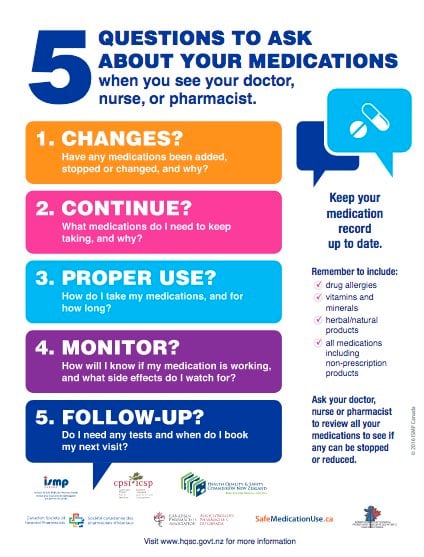
Health Quality and Safety Commission, NZ, 2019 English, te reo Māori
Free helplines



Credits: Healthify editorial team. Healthify is brought to you by Health Navigator Charitable Trust.
Reviewed by: Stephanie Yee, Pharmacist, Auckland
Last reviewed: