

If you're a frequent visitor to Healthify, why not share our site with a friend? Don't forget you can also browse Healthify without using your phone data.
Pain – non-medicine management
Other, non-medicine approaches to pain management
Key points about non-medicine management for pain
- Medicines alone don’t work well for ongoing or chronic pain.
- Self-care is very important for your sleep, movement, nutrition, mental and social needs.
- There are many types of therapy to try to find out what works for you.
- See your healthcare provider before starting any treatment to make sure it's suitable for you.

There are many ways of managing ongoing pain instead of, or as well as, taking pain medicines. The aim is to live better with your pain. It usually works best to use a mix of different approaches. On this page you can find out about some common ones you can try to see what works for you.
- Self-care
- Physiotherapy
- Manual therapy
- Rongoā Māori
- Cognitive behavioural therapy (CBT)
- Transcutaneous electrical nerve stimulation (TENS)
- Acupuncture
Note: Self-care is for everyone. It’s important to talk to your healthcare provider before starting any other treatment. Some treatments may not be suitable for you or the type of pain you have.
There are lots of things you can do for yourself, or with support from whānau, friends or your healthcare provider, to help with your pain. They can improve your symptoms or help you to cope with them better. Self-care can include working on:
- your activity levels
- what and how you eat
- how you manage important things like stress, mood and sleep
- maintaining an active social life.
Making a pain plan for how you can improve these aspects of your life, and what to do when you have a bad day, can be helpful.
Stay active
Add more movement into your day. It’s important for everyone to keep moving, but it’s especially important if you’re living with pain. If you’ve had pain for a while you may find you’re moving differently or avoiding certain types of activity in case it hurts, or in case it causes more damage.
However, if you don’t keep moving you lose fitness, muscle tone and even the ability to do some things. Make a plan for moving more, it doesn’t need to be structured ‘exercise’, just work on doing the things you enjoy doing (golf, playing with your grandchildren, gardening, a walk up the road). If you can’t do much at one time, break it into small movement ‘bites’. Do 10 minutes 3 times a day instead of 30 minutes all at once. This is called pacing [PDF, 158 KB], where you do a bit then have a rest or change to a different sort of activity so you don’t put too much strain on one part of your body.
Eat well
Eat a wide range of foods from all the food groups, so that you can get all the energy, vitamins and minerals you need to be healthy.
Healthy eating is about eating a balanced range of foods that help you feel great, have more energy, improve your outlook and help you achieve and maintain a healthy weight. If you’re overweight, losing some weight can improve your pain symptoms. Read more about healthy eating.
If you have chronic pain, it can affect what and how you eat.
- Pain may make it harder for you to shop and prepare food.
- If you’re on your own, it’s harder to bother to make balanced meals or enjoy mealtimes.
- If you’re not sleeping well it can disrupt your usual patterns, and you might be eating at odd times of the day and night.
Ideas
- Get groceries delivered or picked up by friends or whānau.
- Plan ahead and cook a bit extra on a good day, so you can freeze a meal to just reheat on a rough day.
- If your pain is better at certain times of the day (eg, in the morning) do your food preparation then so you only need to reheat a meal later on.
- Keep a range of tinned and frozen fruit and vegetables so you can easily add variety into breakfast, a casserole or stir fry. If you don’t get enough of some nutrients (including vitamin D, vitamin B12 and magnesium) it can make your pain worse.
- If standing is hard for you, sit at the table or kitchen bench while you prepare everything.
- If people offer to bring you around a home cooked meal, say yes! And if they offer to eat with you that’s an added social bonus.
- Some foods have been linked to better sleep and less pain, these include:
- tart cherries which can help you go to sleep
- foods rich in magnesium (eg, leafy greens and nuts) which can help with muscle relaxation.
Connect with others
When you’re in pain you may avoid going out and doing things you enjoy, but staying connected with whānau and friends is important for your mental wellbeing.
Chronic pain can make you feel alone. Try joining a support group – in person or online – to spend time with other people living with pain. You may learn some new ways to manage your pain from hearing about their experiences.
Find ways to do things with other people. Try joining a new group or start doing something that you used to enjoy. Catch up with people as much as possible. Talking, laughing and doing things with people you enjoy is the best medicine.
Distract yourself
Doing activities, by yourself or with others, can give your brain something other than pain to think about. It may be as simple as going for a walk and really noticing what is around you or listening to music.
Mindfulness
By looking after your mental wellbeing (taha hinengaro) you can cope with pain better.
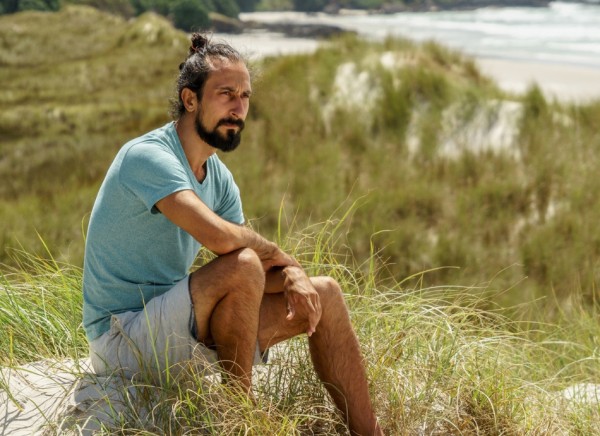
Image credit: Depositphotos
Mindfulness is a way of helping you become more aware of yourself, your experiences, feelings and thoughts as they happen. Being mindful and living in the moment isn’t intended to distract you from your pain but to acknowledge and accept it for what it is, let go of the struggle and learn to be with it. Read more about mindfulness(external link) and mindfulness and pain(external link).
Get enough sleep
Being in pain can stop you getting to sleep or staying asleep. But if you don’t get enough sleep, it makes everything harder the next day – including how you manage your pain and how it affects you. This is what’s known as a vicious cycle.
Regular, good quality sleep is important for brain functioning, emotional wellbeing, physical health, daytime performance and personal safety.
If you have problems sleeping:
- make sure you have a good, comfortable bed and mattress
- try to get into a routine – regular sleep and wake times help your body get into a cycle
- create a peaceful place to sleep – dark, quiet and the right temperature for you
- avoid coffee, alcohol and exercise in the hours before you want to go to sleep
- if you’re hungry, have a small snack containing protein and complex carbohydrates (eg, a milk-based smoothie, Greek yoghurt with fruit/nuts, banana, wholegrain crackers and cheese, oatmeal, a hardboiled egg)
- avoid looking at a screen (eg, tv, phone or computer) in the hour or so before you want to sleep – reading or meditating is more relaxing for your brain
- if you’re in too much pain to sleep, get up and do something such as reading to distract yourself then go back to bed and try again.
Read more about sleep.
Learn about pain
Understanding how pain works in your body helps you to manage it. There are some excellent books, apps, videos and online courses that people with pain have found helpful. Find more information and resources for pain, including videos and apps.
Pain often results in inactivity or reduced movement. This can cause stiff joints, weak muscles, increased weight, poor fitness and getting breathless more easily, as well as low mood. This, in turn, can result in more inactivity and increased pain.
Physiotherapists are specially trained to help with physical activity and exercise and can guide you on what to do to help manage your pain and increase your fitness and wellbeing.
Before starting any treatment, the physiotherapist will do an assessment, taking into account any other health conditions you have and your current state of health, to help you decide on the best approach for you.
- Your physiotherapist may advise you to do general exercise (eg, walking, swimming, dancing or cycling) or specific exercises designed to increase the strength and movement of specific muscles or joints.
- The exercises recommended are suitable for you and your condition/s.
- They are designed to keep you active and build on what you can already do.
- Your physiotherapist may also use other methods of treatment which can include massage, transcutaneous electrical nerve stimulation (TENS) and acupressure/acupuncture. Note that these may provide temporary relief but mean you need to keep seeing a therapist. It’s important to learn ways of building up what you can do and managing your pain without depending on therapy or having to pay for it.
- Each physiotherapist works in a slightly different way depending on their training and experience.
There are 3 main types of manual therapy – massage, manipulation and mobilisation. These are usually performed by physiotherapists, chiropractors, osteopaths and some acupuncturists.
Massage may involve gentle as well as deep-tissue hands-on treatment to ease tension in your muscles and distract you from your pain. The effects of massage may only be short term but may help you get over a difficult period. You can give yourself a massage or you can see a qualified therapist. You can even ask a family member or good friend to give you a gentle massage – but make sure they know what they are doing!
Self-massage tips
- You can use your hands, or a foam roller, massage balls or other massage aids, such as a tennis ball or a golf ball to massage the soles of your feet.
- If you're using a ball for your feet, put it on the floor, place your bare foot on top of it and gently roll the ball along the length of your foot. You can sit down to do this, especially if your balance isn’t good.
- If you’re massaging elsewhere on your body, before starting, relax with a warm shower or by applying a heat pack (warm not hot) to the painful area.
- Use smooth, firm strokes. You’ll feel the difference between strokes that are relieving your muscle tension, and those that are adding to it.
- Adjust the pressure depending on how it feels.
- Using an oil or lotion can help your hands move smoothly over your skin.
- Try to massage yourself regularly to prevent muscle pain and tension building up.
Manipulation is a more forceful movement of a joint, possibly beyond what it would normally do.
Mobilisation is a gentle movement where your joint is moved as much as possible within your existing range of motion. Tai chi is an example of an exercise that promotes joint mobility by stretching in a slow, focused manner.
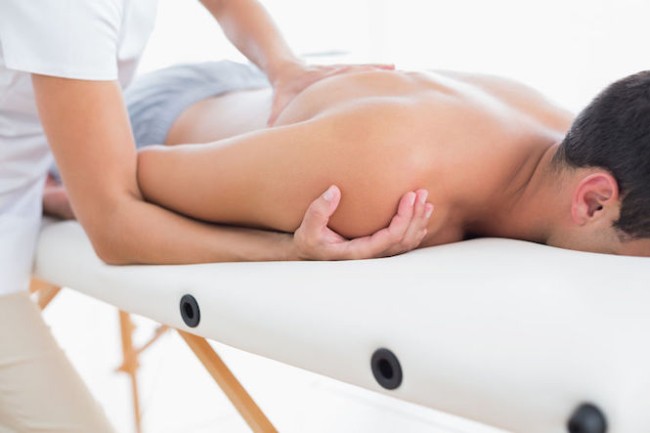
Image credit: 123rf
Rongoā Māori is a traditional approach to healing that takes a holistic view, considering the person’s mana, self-esteem and readiness for healing, as well as being a treatment. It includes rakau rongoā (native flora and herbal preparations), mirimiri and romiromi (bodywork), whitiwhiti kōrero (support/advice) and karakia (prayer). Read more about rongoā Māori.
Cognitive behavioural therapy (CBT) is a type of talking therapy that can help you manage your pain by changing the way you think about it. CBT aims to help you to understand your thoughts, and the things you feel and do because of your thoughts. By changing your thoughts, you can change the way you feel. A counsellor or psychologist using CBT teaches techniques and skills to help you cope better with chronic pain, such as relaxation, distraction, planning and routine, and problem-solving. CBT can also reduce anxiety and depression caused by living with long-term pain. Read more about CBT.
In this technique, a hand-held device called a TENS machine is used to pass a small electric current through your skin to your nerves. It may reduce your pain by interfering with pain signals and blocking them from reaching your brain, or by stimulating production of your body's natural pain-relieving chemicals (called endorphins). It may also reduce the sensation of muscle tension and spasm.
The effects of TENS may not last very long, evidence for long-term benefit is weak. A recent literature review suggested that there wasn’t enough evidence to definitely support the effectiveness of TENS for managing pain, but that it’s worth considering as a management option. TENS is not suitable for everyone, for example it shouldn’t be used if you have a pacemaker.
Acupuncture is the practice of stimulating specific points under your skin using very thin needles. There are 2 broad types of acupuncture in Aotearoa New Zealand – traditional Chinese acupuncture and Western medical acupuncture.
There is increasing evidence that acupuncture can help with a broad range of conditions – including some types of pain. Read more about acupuncture.
What is acupuncture?(external link) Acupuncture NZ
About physiotherapy(external link) Physiotherapy.org.nz
Massage therapy guide(external link) Healthdirect, Australia
Brochures
Navigating pain(external link) NZ Pain Society
Self-managing chronic pain(external link) Pain Australia
Understanding and managing pain – information for patients(external link) The British Pain Society, UK, 2010
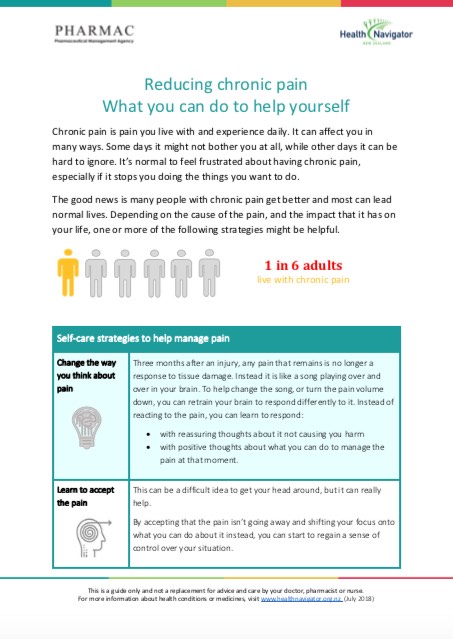
Reducing chronic pain – what you can do to help yourself [PDF, 210 KB] Healthify He Puna Waiora, NZ and PHARMAC, NZ, 2018
Understanding acute and chronic pain [PDF, 189 KB] Healthify He Puna Waiora, NZ and PHARMAC, NZ, 2018
Pain management(external link) NSW Health, Australia
Apps
Pain management apps
Physiotherapy and exercise apps
References
- Navigating pain(external link) NZ Pain Society
- Managing chronic pain and sleep – helpful tips for a good night’s rest(external link) National Council on Aging, US, 2025
- Pain and sleep(external link) Sleep Foundation, US, 2025
- The 14 best healthy late night snacks(external link) Healthline, UK, 2024
- Massage(external link) Musculoskeletal Health Australia
- Our rongoā Māori service(external link) ACC, NZ
- Understanding and managing pain – information for patients(external link) The British Pain Society, UK, 2010
- Paley CA, Wittkopf PG, Jones G, et al. Does TENS reduce the intensity of acute and chronic pain? A comprehensive appraisal of the characteristics and outcomes of 169 reviews and 49 meta-analyses(external link) Medicina (Kaunas) 2021 Oct 4;57(10):1060.
- Mental health and pain(external link) Arthritis NZ, 2025
- Managing pain through mindfulness meditation NHS, UK
- Chronic non-cancer pain(external link) Auckland Region Community HealthPathways, NZ, 2025
See our page pain (chronic) for healthcare providers
Brochures
Healthify He Puna Waiora, NZ and PHARMAC, NZ, 2018
Navigating pain
NZ Pain Society
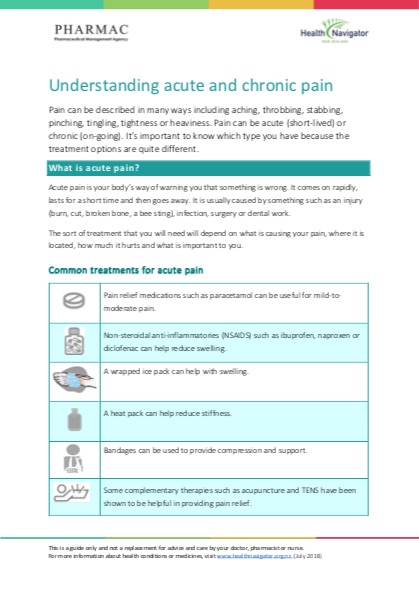
Healthify He Puna Waiora, NZ and PHARMAC, NZ, 2018
Need help now?


Credits: Healthify editorial team. Healthify is brought to you by Health Navigator Charitable Trust.
Reviewed by: Dr Emma Dunning, Clinical Editor and Adviser
Last reviewed: