

You can now add Healthify as a preferred source on Google. Click here to see us when you search Google.
Cancer – managing chemotherapy
Tips from a medical specialist who has been through cancer and has also supported many patients with cancer
Key points about managing chemotherapy
- The aim of chemotherapy is to kill cancer cells.
- However, there is also damage to other healthy parts of your body.
- It can weaken your overall health and how your immune system works.
- There are a lot of things you can do to lessen the impact and manage your treatment days better.
- Here are some thoughts from one who has been there for himself and for others.

You may have chemotherapy as part of a plan that aims to cure the cancer. This can be chemotherapy before and/or after an operation to remove the cancer growth (neo-adjuvant or adjuvant chemotherapy). Or you may have chemotherapy as well as radiotherapy, either one after the other or possibly together (concurrent).
Another reason to have chemotherapy is to improve your cancer symptoms and prolong your life, while knowing that it won’t actually cure or get rid of the disease. This is called palliative chemotherapy. Read more about palliative care.
Be clear about the goal of your treatment
If the plan is palliative chemotherapy, find out how it will impact on your prognosis (expected outcome). Ask your cancer specialist team about the chances that this will be a successful treatment for improving your quality of life or giving you more time. If a specific number of months is suggested it would relate to the ‘average patient’. There will be long-term survivors who do better than average but there will also be some who do worse than the average person with that type of cancer. Nobody can exactly predict the number of months to be gained. For some people it may be years, for others it may not work at all.
Be informed
- Listen to the education sessions that should be provided by your oncology team.
- Read the information they give you, even though some of it may not seem to make any sense at all.
- Write a list of questions
- Keep a diary of your symptoms.
- Try out what is being offered. If you don’t, you’ll never know whether you might have been one of the luckier ones in terms of the beneficial effects and the side effects.
- You and your cancer specialist will have the chance to review the details of the treatment after each cycle and adjust it as needed.
Side effects
There are always a broad range of possible side effects. At times they may seem contradictory – some people might develop constipation (hard poo) and others may be troubled by diarrhoea (runny poo) using the same cancer drug.
There are now so many more medicines available to lessen the side effects of chemotherapy. Ask about those, particularly if you already get nauseous (feel sick) easily – such as with car sickness, feeling unwell when you’re upset or if you have a sensitive stomach.
Effects of chemotherapy on blood cells
Chemotherapy affects your body’s ability to make blood cells by suppressing the bone marrow (in particular red and white blood cells). You will have your blood tested to see how you’re doing and whether it’s safe to give you more treatment. If your red or white blood cell count is too low, you may have to wait before you can have more chemotherapy, and you may need a blood transfusion.
There are medicines to reduce the impact chemotherapy has on your blood counts, which may improve your chance of having the next scheduled treatment. Do ask about it. It won’t be part of the standard treatment plan for each chemotherapy, but still may be a good option for you if this sort of side effect happens after the first few treatments.
Here are some ways to manage on the ‘chemo days’.
Support and organisation
- Have a team – chemotherapy relies on more than one person.
- Get into a routine.
- Organise the logistics – it may take you a while to get there. You may have to travel long distances if you live rurally, or you might get stuck in city traffic in an urban area. You and your loved ones may have to take time off work to get you there and back.
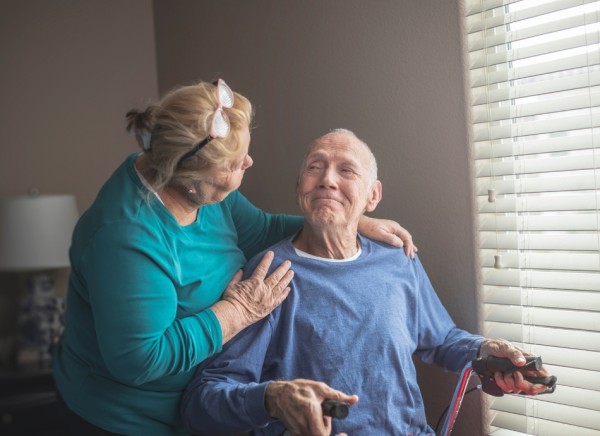
Image credit: Canva
Food and drinks
- Plan your food and fluid intake. Keep ‘grazing’ and be prepared for surprises including:
- sudden changes in your food preferences, such as like or dislike of sweets, like or dislike of your favourite morning cereal, or of hot or cold drinks
- sudden side effects such as a change in your taste (metallic or bitter) or nerve irritation in your mouth (pins and needle in your tongue).
- You may get an injection with a medicine to lessen the side effects of the chemotherapy – this can dry up your mouth and change your taste further and make it harder to eat.
- ‘Go with your gut’ – follow your instincts with what you do and don’t end up eating. If you feel like eating ‘junk food’ on the day of or after the treatment – why would you not!
- If you feel like having a smoothie – good on you, add some avocado or peanut butter to make it less sweet and more tolerable in the medium term. High protein foods are a good way of keeping up your sustenance.
- Read more about high energy, high protein diets and how to manage a poor appetite.
Exercise and rest
- Exercise is the last thing you may feel like on the day or the day after chemotherapy but try to take a walk. Go to the beach even if it’s just to feel the wind, sun or rain on your face. Note that if it’s too cold, nerve tingling (if you have it) will also affect the skin of your face, fingers and toes.
- Have strategic rests to recharge your batteries.
- Daily exercise will decrease the risk of losing fitness and body strength. Try going for a bike ride or walk each day and later adding upper body exercises as well, such as using dumb bells or milk bottles as weights.
Headspace
- Try to think of treatment as a staged event – each cycle of treatment is one stage, and each stage completed is a success.
- Be kind to your cancer team – everybody is trying to do their best and look after you.
- Be kind to your fellow patients – we are all in the same boat.
- Be kind to your loved ones – they carry you through the rapids of this stream. They may not always know how to express their willingness to help. They deserve a hug on many occasions.
Good luck, be strong. It is what it is, but you should always believe that it’s worth it. This fight will be part of your legacy.
Image credit: Healthify He Puna Waiora
Need help now?


Credits: Dr Roland Meyer
Reviewed by: Healthify editorial team. Healthify is brought to you by Health Navigator Charitable Trust.
Last reviewed: