

You can now add Healthify as a preferred source on Google. Click here to see us when you search Google.
High energy high protein diet
Also known as HEHP or high protein high energy (HPHE) diet
Key points about a high energy high protein diet
- A high energy high protein (HEHP) diet helps your body get more energy and protein to support your health.
- It's also called a high protein high energy (HPHE) diet.
- It's a way of eating that's often recommended if you have lost weight without meaning to or you have a poor appetite.
- Find out what a HEHP diet is and how to follow it to avoid unwanted muscle loss and support healthy weight gain.
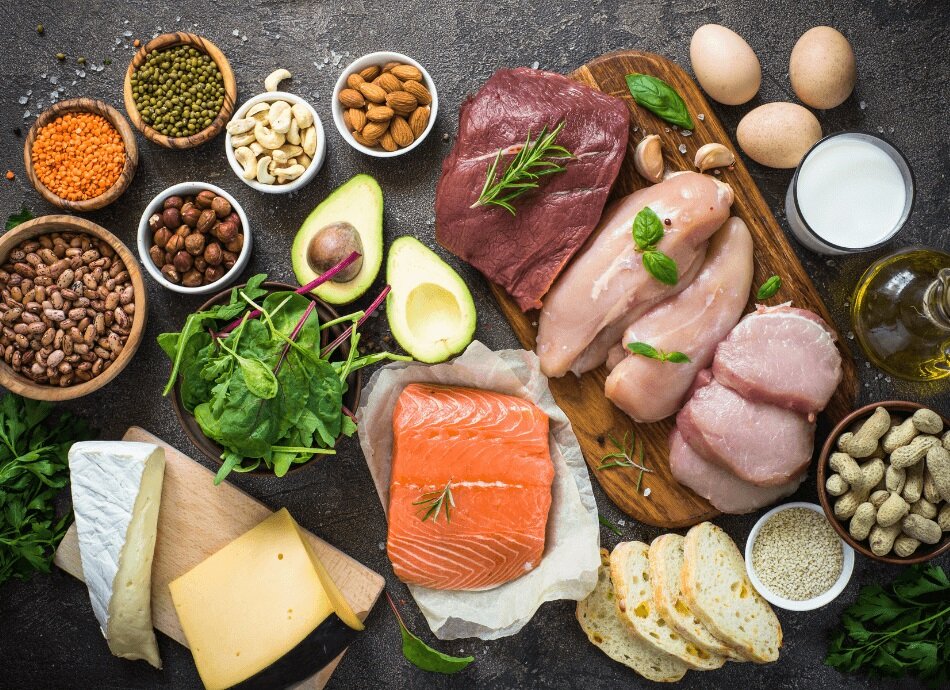
A high energy, high protein (HEHP) diet is a way of eating that helps your body get extra fuel (energy) and building blocks (protein) to support your health. You may also hear it described as a ‘high protein, high energy’ (HPHE) diet – both terms mean the same thing.
This eating approach is often recommended if you are losing weight without trying, have a poor appetite, or need extra nutrition because of illness, recovery, or treatment. Following a HEHP/HPHE diet can help stop unwanted muscle loss and unintentional weight loss and can also support healthy weight gain.
Here are some of the times when you might be advised to eat a high energy high protein (HEHP) diet.
- If you have been told by your healthcare provider that you're underweight.
- If you're losing weight without trying.
- If you find it hard to eat enough because of poor appetite, nausea or other symptoms.
- If you have increased energy, and protein needs to support your recovery (eg, from an illness) or daily activities (eg, sport).
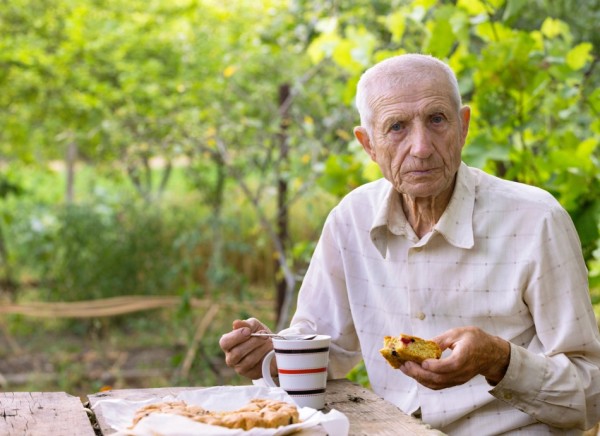
Image credit: Depositphotos
Key concepts
- Energy: The kilojoules (calories) in food. Getting enough energy helps maintain weight and support daily activities.
- Protein: Used to build, maintain, and repair body tissues. Adequate protein helps prevent muscle loss and supports healing. High-protein foods include meat, fish, eggs, dairy, legumes, beans, and nuts. Read more about protein foods.
- Fortify: Adding extra energy and protein to meals and drinks without increasing the portion size (eg, adding milk powder to smoothies, cheese to pasta, nut butter to toast).
Including more protein and energy in your diet can help:
- you maintain or gain weight
- you keep your strength and independence for everyday activities
- support healing and recovery
- you stay active and continue to do the things you enjoy.
- Aim to have small, frequent meals or snacks every 2 to 3 hours. Eat larger meals and snacks when you can.
- Choose food sources rich in protein and energy:
- protein food sources include legumes, nuts and seeds and their butters, dairy products including milk, yogurt and cheese, soy products (eg, soy milk, tofu and edamame beans), eggs, meat, chicken, fish and seafood
- foods that provide energy include the protein sources listed above along with carbohydrates such as whole grains including brown rice and quinoa, nuts, some vegetables and healthier fats from nuts, seeds and avocados.
- Drink your fluids at the end of meals or snacks as they can fill you up. Focus on adding nourishing drink such as milky and milky drinks (eg, Milo or hot chocolate, Up&Go, smoothies).
- If you have a small appetite, make every bite count. Eat higher protein or energy foods first. Eating part of a meal or drink is better than having nothing at all.
- Have ready–to-eat, small, high energy and protein foods on hand for a quick snack, such as Greek yoghurt, pudding, granola, energy and protein bars, canned fish, cheese or peanut butter and crackers, nuts and seeds or trail mix.
- Avoid reduced-sugar and reduced-fat foods and beverages such as foods labelled 'light', "low fat', 'fat free', 'sugar-free' or 'diet'.
See the section below for ways to add high energy high protein foods into your daily meals, snacks and drinks.

Image credit: Canva
Sometimes when your appetite is reduced you may not feel like eating much, it can help to fortify your foods. This means adding extra ingredients to increase energy (calories) and protein content without increasing portion size. Eating foods from all the food groups is still important to support your health.
How to fortify everyday foods?
- Make porridge with full-cream milk or add milk powder to drinks.
- Stir cheese into mashed potato, soups, or sauces.
- Add nut butter to toast or fruit.
High-energy snacks
- Yoghurt, custard, dairy drinks.
- Cheese and crackers.
- Pate or dips with bread or vegetable sticks.
- Hard boiled eggs.
- Nuts and seeds.
- Fresh or dried fruit with nut butters or nuts.
Nourishing drinks
- Milkshakes, smoothies, hot chocolate, or enriched milk can add extra protein and energy. Enriched milk has had extra vitamins and minerals added.
Do I need fruits and vegetables?
Yes, fruits and vegetables are important because they contain fibre, vitamins, and minerals. Since they are lower in protein and energy, try pairing them with protein-rich foods, such as adding yoghurt to berries.
Do I need to worry about eating well when I'm less active?
Even if your activity decreases, your body still needs adequate nutrition to protect, heal, and recover from illness or infection.
Here are some ideas for ways you can boost the energy and protein content of your meals, snacks and drinks.
Meals
Breakfast:
- Cereal or porridge, pancakes/waffles, eggs, yoghurt and fruit.
- Boost by using full-cream milk (not water). Add milk powder/protein whey, yoghurt, cream, cheese, nuts/seeds, avocado, honey or dried fruit.
Lunch and dinner:
- Sandwiches, wraps, salads, soups, casseroles, curries, pasta, stir fries, quiche.
- Boost by adding protein (meat chicken, fish, tofu, beans, eggs, cheese), use spreads (avocado, nut butters, margarine, mayonnaise), add oil, cream, sour cream or cheese. Mash potato with milk powder, butter or cream.
Vegetables and sides:
- Salads, hot vegetables, potato dishes.
- Boost by adding cheese, oil, avocado or nuts/seeds. Roast or stir-fry in oil. Dress salad or vegetables with creamy or oil-based dressings.
Cultural and child friendly meals:
- Rice, noodles, dahl, shepherd’s pie, falafel, patties.
- Boost by mixing in legumes, cheese, yoghurt or sauces. Serve with dips such as hummus, guacamole or sour cream.
Ice cream and desserts:
- Boost by adding toppings, sauces, nuts or fruit.
Snacks
- Yoghurt, custard, pudding, creamed rice.
- Boost by choosing high protein products – compare protein amounts per 100 g by looking at the food labels. Add fruit, nuts, seeds or milk powder.
- Cheese and crackers, bread with spreads.
- Boost by using nut butters, hummus, avocado, ricotta or sour cream-based dips.
- Eggs – boiled, scrambles, in a frittata or omelette.
- Boost by adding cheese, milk or cream when cooking.
- Baked foods – muffins, cakes, biscuits.
- Boost by spreading with butter, cream or nut butter. Bake with almond or chickpea flour.
- Nuts, seeds, roasted legumes, dried fruit.
- Boost your intake by snacking on them or adding them to yoghurt, cereals and salads.
- Replace snacks with mini meals.
- Boost your intake with small sandwiches, falafel with dip, baked beans on toast, tinned fish with avocado.
Drinks
- Milk and milk alternatives (eg, soy, oat, almond milk).
- Boost by using full-cream milk or enrich it with 1 Tbsp of milk powder per 250 mL cup.
- Hot chocolate or flavoured milk.
- Boost by adding milk or protein powder. Use extra scoops of milo, coca or coffee powder. Top with marshmallows.
- Milkshakes.
- Boost by blending milk with ice cream, yoghurt, honey, fruit and flavourings.
- Smoothies.
- Boost by combining milk or yoghurt with banana, berries, oats, nut butter, LSA (linseed/sunflower/almond) or chia seeds.
- High-energy fruit juice blends.
- Boost by mixing in yoghurt, protein powder, nut butter or chia.
- Ready-to-drink supplements.
- Boost by choosing high protein varieties. They're available for pharmacies and your dietitian can advise on the best option.
- Fun choices – for kids, or for variety.
- Boost your intake by making a spider (ice-cream + soft drink), flavoured milk, or homemade fruit and yoghurt drinks.
- Eat when you can: Plan larger meals when your appetite is better and have smaller snacks at other times. It’s okay to enjoy favourite foods at any time of day (eg, breakfast foods for dinner).
- Prepare ahead: Make double recipes when you're feeling well. Freeze the extra and use when you don't feel like cooking. Use frozen, pre-washed, pre-cut, or pre-cooked ingredients to save effort and keep ready-to-eat meals or snacks on hand.
- Get help if needed: Ask friends or family to help with shopping or meal prep, use online shopping options such as grocery or meal delivery services.
Share mealtimes: Eating with family or friends can make meals more enjoyable and motivate you to eat. - Try nourishing drinks: If you are finding it difficult to eat enough, make a high energy high protein smoothie or milkshake or consider drinking a liquid nutrition supplement. Most have added vitamins and minerals, and some drinks have 50 to 75% higher protein than regular milk. Talk to a dietitian before you buy these products – they can help you decide which foods and supplements are right for you.
You may have heard that some fats in your diet are better than others. If you want to regain weight and want to get strong again but need to look after your heart too, there are better options to choose.
- Use canola, olive, safflower oil in cooking instead of butter or other animal fats such as coconut oil, lard or ghee.
- Cut any visible fat or skin off your meat and chicken.
- Try margarine, peanut butter, avocado, tahini, hummus or lite cream cheese as a spread on bread instead of butter or cream cheese.
- Add avocado to sandwiches or salads.
- Add nuts and seeds to cooking, smoothies or breakfast bowls or have nuts as a snack on their own.
- Enrich milk with skim milk powder rather than using full-cream milk.
Brochures
High protein high energy foods(external link) Queensland Government, Australia, 2023
High protein high energy(external link) Dietitian Connection, 2021
References
- High protein high energy foods(external link) Queensland Government, Australia, 2023
- High protein high energy(external link) Dietitian Connection, 2023
- Eating guidelines for increasing your energy and protein intake(external link) PEN – The Global Resource for Nutrition Practice, 2025
- High protein high energy diet for children(external link) Queensland Government, Australia, 2023
- Heart friendly high protein high energy (HPHE) diet(external link) Queensland Government, Australia, 2020
- High protein high energy drinks(external link) Queensland Government, Australia, 2023
- High protein/high energy diet [PDF, 1.3 MB] Auckland DHB, NZ, 2011
Need help now?

Credits: Smart Start Letter research team and co-design participants, funded by the Health Research Council
Reviewed by: Lily Henderson, Registered Dietitian; Healthify editorial team
Last reviewed: