

You can now add Healthify as a preferred source on Google. Click here to see us when you search Google.
Tetanus vaccine
Key points about tetanus vaccine
- The tetanus vaccine protects against tetanus infection.
- In Aotearoa New Zealand the tetanus vaccine is also called Infanrix–hexa®, Infanrix–IPV®, Boostrix® and Adacel®.
- Find out about the vaccine and possible side effects.

The tetanus vaccine is used to protect against tetanus infection. This is a serious disease caused by tetanus bacteria, which is found in soil and manure. If an adult or child has a cut exposed to soil, they could get tetanus. Other ways tetanus bacteria can get into your body are through:
- open fractures where the skin is broken and the bone exposed
- bite wounds
- wounds that have foreign objects, eg, wood splinters
- crush injuries
- burns
- body piercings and tattoos
- eye injuries.
Tetanus affects your nervous system and causes severe muscle contractions, mainly of your jaw and neck muscles. Find out more about tetanus.
- Vaccination is the best method for preventing tetanus infection.
- This doesn't stop the bacteria growing in a contaminated wound, but it provides protection against the harmful toxin released by the bacteria.
- You can't get tetanus disease from the vaccine, as it doesn't contain live, active bacteria.
In Aotearoa New Zealand, the tetanus vaccine is given in combination with other vaccines as 1 injection and comes in different brands. These are Infanrix-hexa®, Infanrix-IPV®, Boostrix® and Adacel®.
Vaccination with 3 or more doses of a tetanus-containing vaccine is required for full protection, followed by booster vaccinations throughout life.
As part of the New Zealand childhood immunisation schedule(external link), tetanus vaccine is offered free to:
- babies at 6 weeks, 3 months and 5 months as Infanrix-hexa®
- children at 4 years as Infanrix-IPV®.
Read more about childhood immunisation.
Getting the tetanus vaccine in childhood doesn't give you lifelong immunity as the effect of the vaccine wears off with time, so booster doses are needed.
Booster doses are free for:
- children at 11 years of age
- adults from 45 years of age who haven't previously received 4 doses of tetanus-containing vaccine
- adults from 65 years of age unless they've already had a tetanus booster within the past 10 years.
Read more about immunisation for older children and immunisation for adults.
After some cuts, grazes or wounds, you may need a tetanus booster if it’s been more than 5 years since your last tetanus vaccination. If you're unsure of your vaccination history or if your injury could be contaminated with tetanus, get medical advice as soon as possible. If you do need a booster, it's recommended to get one as soon as you can. Adults who have never had a tetanus injection will need to have a course of 3 injections at least 1 month apart.
It's recommended that pregnant women get the Boostrix vaccine during their second or third trimester. Read more about pregnancy and immunisation.
Tetanus vaccine is given by injection in combination with other vaccines, eg, diphtheria. It's given into a muscle.
Like all medicines, the tetanus vaccine can cause side effects, although not everyone gets them. If you're concerned about any symptoms you think might be related to your vaccine, talk to your healthcare provider. The following information offers some guidance but doesn't include all possible side effects.
Common side effects
Tell your healthcare provider if these side effects bother you.
- Pain, swelling or redness around the injection site: It usually starts a few hours after getting the injection and settles within a few days. Place a cold, wet cloth or ice pack where the injection was given. Leave it on for a short time. Don't rub the injection site.
- Fever: This is quite common for the first 1 or 2 days after receiving the injection and usually settles within a few days. Dress lightly, with a single layer of clothing. Don't wrap your child in a blanket. Keep the room cool and use a fan. Drink plenty of fluids. The routine use of paracetamol is not recommended following vaccinations but may be used if your child is miserable or distressed. Tell your healthcare provider if the fever persists.
- Feeling unwell, tired or weak.
- Not feeling hungry.
- Sore muscles.
- Headache.
- Read more about after your immunisation(external link).
Phone 111 for an ambulance or go to your nearest accident and emergency (A&E) clinic if these occur
- Signs of an allergic reaction such as itchy skin, and rash, swollen lips or tongue, problems breathing, like a tight chest or shortness of breath.
Read more about medicines and side effects and reporting a reaction you think might be a side effect.
Funded and unfunded tetanus vaccines can be given by your nurse, doctor, healthcare provider, and some pharmacies.
Find a provider near you by following this link to the Healthpoint website(external link) and entering your address.
- If you're eligible for a free vaccination, there won't be a cost for the tetanus vaccine, but there may be an administration fee.
- If you're not eligible to get a free vaccination, you will need to pay.
- Pharmacists who are trained vaccinators can administer the tetanus booster vaccine, Boostrix, to people aged 18 years and over, or 13 years and over if pregnant.
- A small number of pharmacists who have done extended training can administer any vaccination on the National Immunisaton Schedule(external link), including those for babies. Always call your pharmacy ahead of time to find out if they offer this service, the cost and whether you need to make an appointment.
Vaccines on the National Immunisation Schedule(external link) are free. Other vaccines are only funded for people who are at particular risk of disease. You can choose to pay for vaccines that you're not eligible to receive for free.
Read more about who can give vaccinations and where to get vaccinated.
Tetanus(external link) The Immunisation Advisory Centre, NZ
Guidelines for the management of tetanus-prone wounds(external link) The Immunisation Advisory Centre, NZ
Brochures
Medicines and side effects(external link) Healthify He Puna Waiora, NZ, 2024
5 questions to ask about your medications(external link) Health Quality and Safety Commission, NZ, 2019 English(external link), te reo Māori(external link)
References
- Tetanus(external link) Immunisation Handbook, NZ
- Tetanus vaccines(external link) New Zealand Formulary
- Tetanus vaccines(external link) New Zealand Formulary for children
- Boostrix(external link) Medsafe datasheet, NZ
How often do I need to get the tetanus vaccine?
Most adults only need tetanus boosters every 10 years. You may need one sooner after some cuts, grazes and wounds. If you’re unsure, get medical advice as soon as possible after an injury. Read more about when the tetanus vaccine is given.
What are the side effects of the tetanus vaccine?
Like all medicines, the tetanus vaccine can cause side effects, although not everyone gets them. If you're concerned about any symptoms you think might be related to your vaccine, talk to your healthcare provider. Read more about possible side effects of the tetanus vaccine.
Brochures
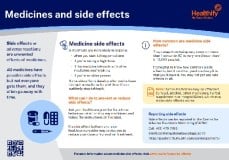
Medicines and side effects
Healthify He Puna Waiora, NZ, 2024
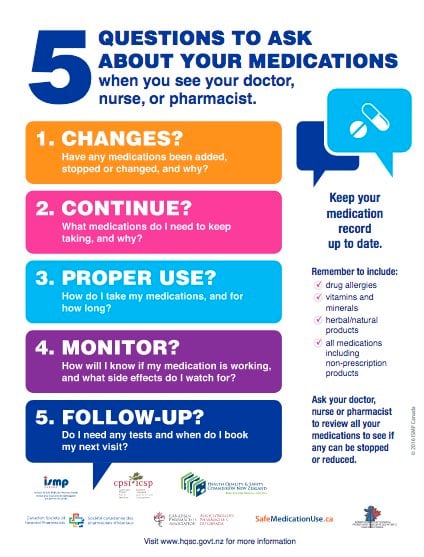
Health Quality and Safety Commission, NZ, 2019 English, te reo Māori
Free helplines


Credits: Healthify editorial team. Healthify is brought to you by Health Navigator Charitable Trust.
Reviewed by: Stephanie Yee, Pharmacist, Auckland
Last reviewed:
Page last updated: