

If you're a frequent visitor to Healthify, why not share our site with a friend? Don't forget you can also browse Healthify without using your phone data.
Digoxin
Sounds like 'di-jox-in'
Key points about digoxin
- Digoxin is used to treat heart failure, or atrial fibrillation or both.
- Digoxin is also called Lanoxin®.
- Find out how to take it safely and possible side effects.

Digoxin is used to treat and prevent fast and irregular heart rhythms (also called arrhythmia), such as atrial fibrillation and atrial flutter. An irregular heart rhythm occurs when your heart skips beats, beats unevenly, or beats too quickly. Atrial fibrillation increases your risk of a heart attack or stroke. Digoxin works by slowing the rate at which the heart beats, by affecting the electrical signals that control heartbeat rhythm. When your heart rate returns to a normal level, your heart works better and uses less effort. Read more about atrial fibrillation.
Digoxin is also used to treat heart failure, especially in people with atrial fibrillation. In heart failure it helps your heart maintain a stronger and more steady heartbeat, improving symptoms and reducing the strain on your heart. Read more about heart failure.
Digoxin is usually used when other medicines are unsuitable or don’t work as well. It belongs to a group of medicines known as cardiac glycosides.
In Aotearoa New Zealand digoxin is available as tablets, in two strengths – 62.5 micrograms and 250 micrograms. It's also available as a liquid (sometimes called an elixir) and as an injection that can be given in hospital.
- Always take your digoxin exactly as your healthcare provider has told you. The pharmacy label on your medicine will tell you how much to take, how often to take it and any special instructions.
- You may be given a higher dose at the beginning of your treatment.
- The dose of digoxin will be different for different people.
- You may have a blood test a week or two after starting digoxin, to make sure the dose is right for you.
- Older adults and people with kidney disease are usually prescribed lower doses to reduce the risk of side effects.
- Timing: Take digoxin once a day, at the same time each day. You can take it with or without food. Swallow the tablets with a drink of water.
- Missed dose: If you forget to take your dose, take it as soon as you remember that day. But if it's nearly time for your next dose, just take the next dose at the right time. Don't take double the dose.
- Keep taking digoxin every day: It may take several weeks to see the full benefit of digoxin. Treatment with digoxin is usually long-term. Don't stop taking digoxin suddenly because it can make your condition worse; talk to your healthcare provider before stopping.
Oral liquid (also called elixir)
- Measure the liquid carefully with an oral syringe or measuring spoon. Do not use a kitchen teaspoon as it will not measure the right amount.
- Don’t mix digoxin liquid with any other liquids. Some drinks such as milk or juice can affect digoxin.
Here are some things to know when you're taking digoxin. Other things may be important as well, so ask your healthcare provider what you should know about.
Check your tablets
There are 2 strengths of digoxin tablets – 62.5 micrograms (blue tablets) and 250 micrograms (white tablets). If your tablets look different to your last supply talk to your pharmacist.
If you’re driving, cycling or using machinery
Digoxin can make you feel dizzy or light-headed, especially when you first start taking it. Be careful when driving, cycling or using tools until you know how this medicine affects you.
Blood tests and monitoring
You may need blood tests to make sure you're taking the correct dose of digoxin, especially if you start or stop other medicines, or have changes in your health. You may also have blood tests to check how well your kidneys are working.
Be aware of things that can affect your digoxin levels
Your healthcare provider may measure the level of digoxin in your blood to make sure the dose is right for you. If your level is too low, the medicine may not work as well as it should, and if it’s too high, you're at increased risk of side effects. Digoxin blood levels can be affected by a variety of factors, such as:
- Antacids, iron or calcium supplements: Take them 2 hours apart from digoxin as they can affect how digoxin is absorbed.
- Taking other medicines: Digoxin interacts with some medicines, herbal supplements and rongoā Māori, so check with your healthcare provider or pharmacist before starting any new products.
- The time at which you have your blood test done: It is important to have your blood test done at least 6 hours after taking digoxin. After you have had your blood test, continue taking digoxin as prescribed (do not wait for the results). Your healthcare provider will let you know if your digoxin dose requires adjusting.
If you get sick (vomiting), diarrhoea (runny poo), blurred vision or other changes to your eyesight, contact your healthcare provider straightaway. These are signs that your dose of digoxin may be too high.
Like all medicines, digoxin can cause side effects, although not everyone gets them. If you're concerned about any symptoms talk to your healthcare provider. The following information offers some guidance but doesn't include all possible side effects.
Common side effects
Tell your healthcare provider if they bother you or don’t go away.
- Nausea (feeling sick): Take digoxin with food.
- Feeling dizzy: Getting up or moving slowly may help. If you feel dizzy, sit down for a few minutes before standing. Be careful when driving, cycling or using tools until you know how this medicine affects you. Avoid alcohol.
- Diarrhoea
Tell your healthcare provider immediately or phone Healthline free on 0800 611 116 if these occur
- Signs that your digoxin dose may be too high for you such as vomiting, diarrhoea (runny poo), changes in your vision or eyesight such as blurry vision or yellow vision, feeling tired or weak.
- Symptoms of heart problems such as fluttering, pounding or pain in your chest, feeling your heart skips a beat, dizziness or fainting.
- Confusion or unusual thoughts or behaviour.
Read more about medicines and side effects and reporting a reaction that you think might be a side effect.
The following links have more information on digoxin.
Digoxin(external link) NZ Formulary Patient Information
Lanoxin(external link) Lanoxin PG and Lanoxin Paediatric Elixir Medsafe Consumer Medicine Information, NZ
References
- Digoxin(external link) NZ Formulary
- Lanoxin data sheet(external link) Medsafe, NZ
Brochures
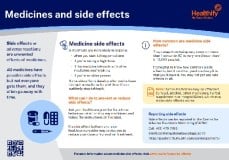
Medicines and side effects
Healthify He Puna Waiora, NZ, 2024
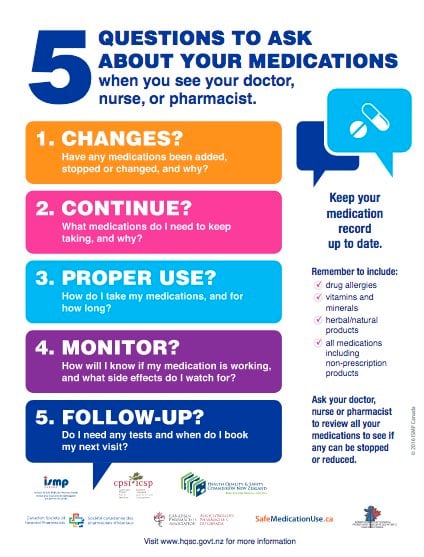
Health Quality and Safety Commission, NZ, 2019 English, te reo Māori
Free helplines


Credits: Healthify editorial team. Healthify is brought to you by Health Navigator Charitable Trust.
Reviewed by: Johanna Lim, Clinical Pharmacist – Cardiology Expert, Health New Zealand | Te Whatu Ora Te Matau a Māui Hawke’s Bay
Last reviewed: