

You can now add Healthify as a preferred source on Google. Click here to see us when you search Google.
Fractures – recovery tips
Tips for recovering from a fracture
- A fracture is a broken bone, which may have been caused by an accident, a fall or from overuse (stress fracture).
- You may be more likely to break a bone if your bones are already weak from having osteoporosis.
- During the early part of your recovery from a fracture, you may need to spend a few days resting the affected area.
- However, once your fracture has begun healing, your healthcare provider or physiotherapist will give you special exercises.
- Exercises can help you get your normal flexibility and range of joint movement back and prevent your muscles from getting weak.
- Here are some general tips for recovering well after a fracture. Your healthcare team will be able to give you more specific advice.
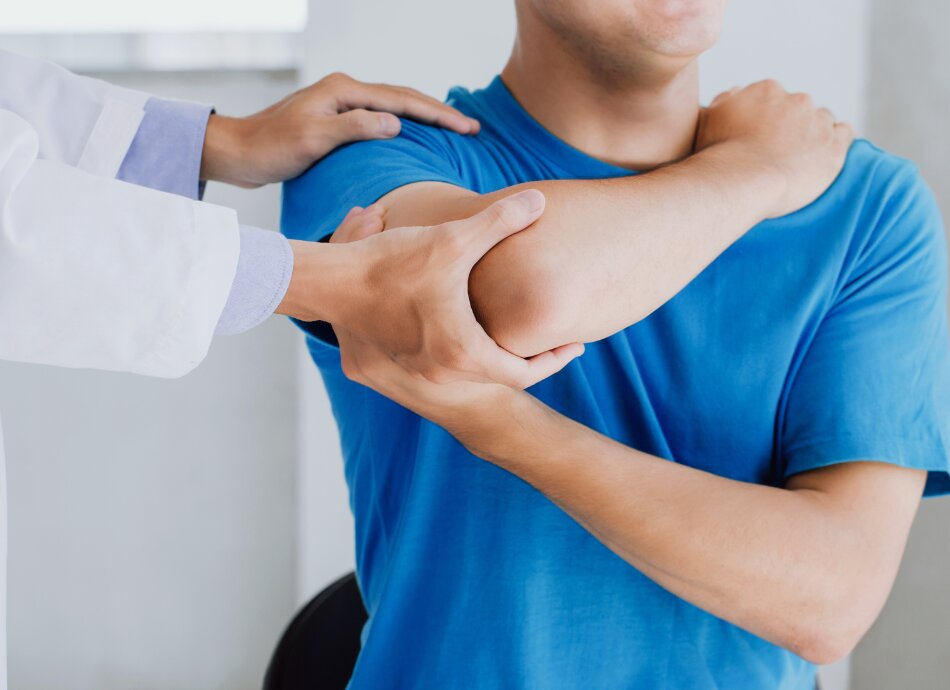
The best path to recovery is to follow your healthcare provider's advice. Recovery will be different for everyone, because it depends on:
- the type of fracture
- where the fracture is, such as your leg, hip, arm, wrist or ankle
- how long ago the fracture happened
- your current health condition.
Recovery can feel like it's taking forever, but slowly and steadily you'll be able to return to your normal daily tasks.
Your usual healthcare provider may be able to advise you on what to do to recover well or they may refer you to see a physiotherapist. If you’ve had a nasty break that involved a bone (orthopaedic) specialist, they may oversee your recovery.
The following tips are general ones – you'll be given more specific advice depending on your specific situation.
When bones are healing, some things can speed up or slow down the healing process. It’s important to eat healthy food, including plenty of protein and calcium.
It’s also best to avoid alcohol and smoking as they can slow down your recovery.
Although you might not feel like it, after a few days' rest it's important to start bringing movement back into the affected area.
Your healthcare team will probably suggest you start slowly, beginning with easy tasks to help improve strength and flexibility without damaging the healing bone. At first these exercises may feel awkward and uncomfortable but try to stick with them – they'll pay off in the long term by making you stronger and more mobile.
If you experience pain or extreme discomfort when doing the exercises, see your healthcare provider for advice. They may need to assess how your fracture is healing or suggest other exercises for you.
If you’re having any problems moving around, perhaps because your arm is in a sling or you’re using crutches or a moonboot, your home can become a hazard.
Getting help to make a few of the following changes around your home will make it easier for you to get around and may prevent a trip or fall:
- Move your furniture. Make a wide path in every room.
- If you have stairs, and you’re having problems getting up or down them, sleep in a bed on the ground floor until you’re able to safely use the stairs again.
- Remove clutter, such as piles of clothes or books or any item that could trip you up.
- Secure loose rugs. Use double-sided tape around the edges of large rugs. Put your small rugs away until you’re healed, these can trip you up and cause a fall.
- Improve your lighting. Check that your rooms, doorways and hallways have enough light. Install nightlights for after dark.
- Make sure stairs have handrails on both sides.
- Put grab bars in your shower. You don’t want to break/fracture another bone while you’re healing this one!
- Keep your mobile or cordless phone nearby – you never know when you may need help.
- If you’ve had a fall and you’re at risk of another one, think about getting a personal alarm so you can get help quickly and easily. Read more about personal alarms.
Video: Broken ankle recovery – handy tips
In this video, Sue Wells talks about 6 things that helped make life easier after she broke her ankle. Note that it may be safer to keep the back on your wheelie chair so you have something to lean against. A knee scooter may be an option for you but they're not suitable for everyone so talk to your healthcare provider before hiring one.
Making some of the changes suggested below can help you remain independent and keep your normal routine. An occupational therapist can show you how to safely perform common tasks – these methods will depend on the bone you have broken.
Tips for food shopping
- Have whānau and friends get your groceries or do your food shopping online for delivery or pick up.
- If you're carrying your own groceries, put smaller amounts in bags so they're not so heavy.
- Buy foods that are easy to prepare, such as healthy, microwaveable meals.
- Buy pre-washed and pre-chopped fruit and vegetables to make cooking faster.
Tips for meal preparation
- Sit down to prepare meals – use a high stool with back support if you're working at a high bench.
- Move all the dishes, boards and pans you use regularly from the cupboards to the bench so you can reach them easily.
- Rather than lifting pots and pans, try sliding them along the bench instead.
Tips for showering and bathing
- Get a long-handled sponge to help you wash those hard-to-reach areas such as your feet, neck and back.
- Use a plastic bag to keep your cast dry and seek medical advice if your cast does accidentally get wet.
- Put a non-slip mat in your bath and shower – but make sure it’s securely stuck down or it can create a slipping problem!
- Make sure your floor mats have rubber on their underside, so they don’t slide around and increase your chance of a fall.
- Try putting a shower stool in your shower and use a hand-held sprayer so you can sit down while you wash.
- If you have a spine or hip fracture, add a high toilet seat so you can get on and off more easily.
Tips for putting on your shoes
- Use a long-handled shoehorn to put your shoes on – it's much easier than bending over.
- Buy elastic shoelaces so you can slide into lace-up shoes more easily.
- Low-heeled, strong shoes reduce your chance of a fall.
Tips for getting dressed
- Put your clothes on using a dressing stick with hooks or pinchers.
- Ask for help if you need it.
- Wear loose clothes that can fit over your sling, brace or cast.
Tips for transport
- If your injury is covered by ACC, ask them if they can help you with transport. Find out more from ACC on transport and getting around after an injury(external link).
- Ask whānau and friends for car rides. Remember, you would do the same for them and it makes them feel good to help you.
- Talk to your insurance company about whether you're covered if you have an accident while driving with a cast, or before your healthcare provider has said you can drive again.
- Find out ways to cope without a car.
The good news is you can probably return to driving once you’ve finished your pain medicines and you’re able to:
- sit comfortably
- twist your body so you can see over your shoulder
- step on your brakes quickly to stop suddenly
- swerve to avoid a car or obstacle.
Tips for physical activity and fresh air
- Do your physical/occupational therapy exercises every day.
- Do them at a time of day when your pain levels are lowest.
- Try to be as active as you can while following the advice of your healthcare team.
- Go outside – for walks (if you can), or sit on a stable chair so you can enjoy the fresh air.
Tips for your mental wellbeing

Image credit: Depositphotos
- It can be frustrating and get you down if you can’t get on with your life after breaking a bone. It’s important to stay engaged in activities and try to stay positive.
- If you can’t do what you would usually be doing, try a range of different activities you enjoy or learn a new hobby you haven’t yet had time to try. Ideas include puzzles, reading, games, knitting, baking, catching up on sport or a favourite TV show.
- Keep in touch with friends and family – talk to somebody at least once a day. If you don’t feel up to calling a friend or whānau member, arrange for them to ring you.
- Go to social events – such as lunches or dinners or a movie with friends or whānau.
Recovering from fractures (with osteoporosis)(external link) Bone Health and Osteoporosis, US
References
- Easy living tips after a fracture(external link) WebMD, US
- Recovering from fractures (with osteoporosis)(external link) Bone Health and Osteoporosis, US
- A healing diet after bone fracture(external link) WebMD, US, 2024
Need help now?

Credits: Healthify editorial team. Healthify is brought to you by Health Navigator Charitable Trust.
Reviewed by: Dr Penzy Dinsdale, Rural Hospital Registrar
Last reviewed: