

If you're a frequent visitor to Healthify, why not share our site with a friend? Don't forget you can also browse Healthify without using your phone data.
Bulimia
Also called bulimia nervosa
Key points about bulimia
- Bulimia is an eating disorder characterised by episodes of eating a large amount of food in a short period of time, followed by attempts to 'undo' or compensate for the binge.
- These behaviours can include self-induced vomiting, excessive exercise, prolonged fasting, misusing laxatives, diuretics or prescription medicines.
- Bulimia can affect people of any gender, body size or age but it most often begins in late adolescence or early adulthood and happens more often for women.
- It can have an impact on long-term physical and mental health but with treatment from an eating disorder specialist recovery is absolutely possible.

Bulimia is an eating disorder characterised by episodes of eating a large amount of food in a short period of time (binge eating), followed by attempts to ‘undo’ or compensate for the binge. These attempts can include self-induced vomiting, excessive exercise, prolonged fasting, misusing laxatives or diuretics, or misusing prescription medicines.
Binge eating is often accompanied by a sense of loss of control, followed by feelings of guilt, shame and distress.
People with bulimia tend to place an excessive importance on weight, shape and control of their eating when evaluating their self-worth.
Bulimia can affect people of any gender, body size, or age but it most commonly begins in late adolescence or early adulthood. More women than men are affected.
Bulimia can have an impact on your long-term physical and mental health, including:
- dental problems
- gastrointestinal issues
- hormone disruption
- fertility concerns, and
- heart and kidney complications.
However, with treatment from an eating disorder specialist recovery is absolutely possible – even if the problem has been present for a long time.
Video: Let's talk bulimia nervosa
Bulimia develops due to a combination of genetic (inherited from your parents), biological, environmental, psychological and cultural influences. Many people say it started after a period of dieting or restricting the amount and/or type of food they were eating. Other factors that may contribute include growth spurts, illness, significant stress, or high intensity athletic training.
People at risk include those who:
- are dissatisfied with their body
- have experienced stigma, teasing or bullying about their weight or appearance
- have dieted and pushed their body weight below where it naturally sits
- restrict their food intake
- have a close relative with a history of an eating disorder
- struggle to cope with difficult thoughts and emotions
- are experiencing depression, low self-esteem, identity concerns, or perfectionism
- have experienced trauma, including childhood abuse or neglect
- have a history of drug or alcohol misuse.
For some people, a personal crisis or a major life stressor can trigger the onset (beginning) of bulimic behaviours as a way of coping.
Bulimia is never a choice or a ‘phase’ – it's a serious mental health condition that needs appropriate support and treatment.
Core symptoms include:
- binge eating – eating large amounts of food in a short period of time, usually with a sense of being out of control
- behaviours such as vomiting, excessive exercise, laxative misuse or restricting food to 'make up' for a binge
- feeling unable to control or stop eating during a binge
- low self-esteem and excessive concern about body image, weight and shape
- secrecy or preoccupation with food and eating.
Physical symptoms of bulimia may include:
- fatigue and having trouble sleeping
- feeling dizzy or weak
- sore throat, bad breath, dental erosion, or a puffy face from vomiting
- tummy pain, bloating or constipation
- brittle nails, hair loss, dry skin
- irregular or missing periods
- weight fluctuations (going up and down).
Signs you might notice in someone else include:
- a strong focus on their weight, shape, or 'good' and 'bad' foods
- avoiding certain foods or food groups
- eating very little or skipping meals
- spending long periods in the bathroom after meals
- frequent weight changes
- expressing low self-worth
- avoiding social occasions that involve food.
If it's not treated, bulimia can lead to serious medical complications, including:
- dental and digestive tract damage from repeated vomiting
- nutrient deficiencies and dangerous electrolyte imbalances (such as hypokalaemia), which can affect your heart function
- irregular periods or loss of periods
- bowel problems, including chronic constipation
- reduced bone density (osteopenia).
A healthcare provider will ask questions about your eating patterns, thoughts and behaviours, and consider how these have affected your health. They may recommend blood tests or other medical checks. They can then refer you to an eating disorders specialist, who can confirm a diagnosis and discuss treatment options.
Getting help early gives you the best chance of recovery, and reduces the risk of long term medical complications.
The most effective treatment for bulimia is psychological therapy with someone experienced in eating disorders. Cognitive behaviour therapy (CBT) is considered the primary treatment for bulimia. It focuses on normalising eating, addressing unhelpful thoughts and behaviours, and supporting you to develop healthier coping strategies.
A skilled clinician can help you understand the underlying factors contributing to bulimia and guide you towards consistent adequate nutrition and more balanced thinking around food, weight and self-worth.

Image credit: Canva
It may also be helpful to seek support from a registered dietitian or nutritionist who is experienced in the treatment of bulimia and can support you in getting back to normal eating habits.
If you also have anxiety or depression, your healthcare provider or a psychiatrist may also recommend medicine.
Video: Freddie's story
(BBC, UK, 2020)
Video: Bulimia and recovery – Laura's story
(Mind, UK, 2015)
Self-help for bulimia
- Get help early, as this makes recovery much easier.
- Educate yourself through self-help books and online forums.
- Tell your family and friends – they can help.
- Avoid dieting and trying to lose weight.
Where can I find support?
Talk to your healthcare provider who, if you need it, can refer you to the eating disorders service in your area, or they can help you get therapy from an eating disorders specialist. You can also find a service provider using Healthpoint(external link).
The Eating Disorders Association of New Zealand (EDANZ)(external link) has information, resources and support if you or a loved one has an eating disorder. Visit their website(external link) to find out about local self-help groups, contact them on 0800 2 EDANZ, 09 5222679 or email [email protected](external link).
Mental Health Foundation of New Zealand(external link) offers information, helplines and support, and Just a thought has free online therapy courses to support mental health.
For support, resources and advocacy for carers of those with an eating disorder, visit Eating Disorders Carer Support New Zealand(external link).
Apps reviewed by Healthify
You may find it useful to look at some eating disorder apps.
Some of these resources are from overseas so some details may be different in New Zealand, eg, phone 111 for emergencies or, if it’s not an emergency, freephone Healthline 0800 611 116.
Bulimia nervosa(external link) Mental Health Foundation, NZ
Eating disorders explained(external link) EDANZ
Battling bulimia nervosa(external link) EDANZ
Bulimia nervosa(external link) New Zealand Eating Disorders Clinic
What is bulimia nervosa?(external link) InsideOut Institute, Australia
Bulimia nervosa(external link) Butterfly Foundation, Australia
Bulimia(external link) NHS, UK
Eating disorders – getting help for your young person(external link) KidsHealth, NZ
Beat eating disorders(external link) UK
Brochures
Normal eating vs disordered eating(external link) Centre for Clinical Interventions, Australia, 2018
Eating disorders – what are the risks?(external link) Centre for Clinical Interventions, Australia, 2018
What are eating disorders?(external link) Centre for Clinical Interventions, Australia, 2018
Bulimia nervosa(external link) National Eating Disorders Collaboration, Australia, 2022
Apps
References
- Bulimia nervosa(external link) Mental Health Foundation, NZ, 2023
- Bulimia(external link) NHS, UK, 2024
- Bulimia nervosa(external link) NIH, US, 2023
- Bulimia nervosa(external link) HealthDirect, Australia, 2023
- Disordered eating(external link) Centre for Clinical Interventions, Australia, 2022
- Bulimia nervosa(external link) National eating disorders collaboration, Australia
Eating disorders – management of(external link) Starship Hospital, NZ
Eating disorders(external link) Centre for Clinical Interventions, Australia, 2022
SCOFF questionnaire(external link) InsideOut Institute, Australia
What does 'bulimic' mean?
The term bulimic is often used to describe a person, but this language can be stigmatising. A more accurate term is 'a person with bulimia' or 'bulimic behaviours'.
Bulimia (bulimia nervosa) is an eating disorder involving recurrent binge eating (eating a large amount of food in a short period of time, often with a sense of loss of control) followed by compensatory behaviours such as vomiting, laxative misuse, fasting, or excessive exercise.
Bulimia is defined by behaviours and psychological distress, not by body weight or appearance.
Are people with bulimia a normal weight?
People with bulimia can be any weight. You can have bulimia in a smaller body or in a larger body. Weight alone can't be used to diagnose an eating disorder, and it's unlikely you can tell a person has bulimia by looking at them.
Brochures
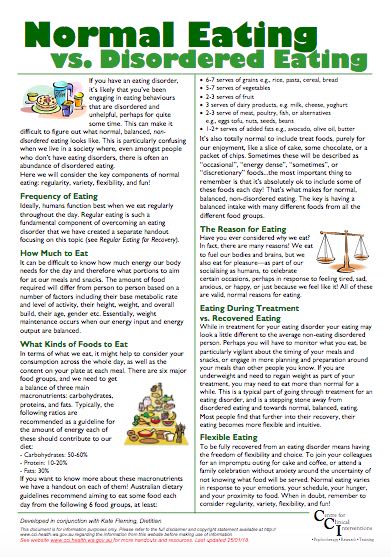
Centre for Clinical Interventions, Australia, 2018
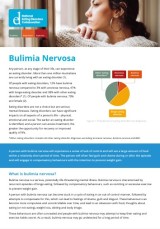
Bulimia nervosa
National Eating Disorders Collaboration, Australia, 2022
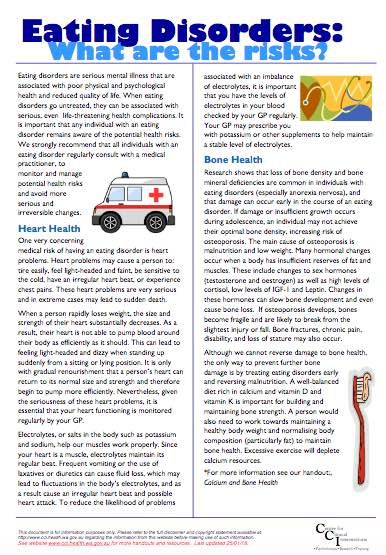
Centre for Clinical Interventions, Australia, 2018
Need help now?

Credits: Healthify editorial team. Healthify is brought to you by Health Navigator Charitable Trust.
Reviewed by: Dr Eve Hermansson-Webb, Clinical Psychologist
Last reviewed: