

You can now add Healthify as a preferred source on Google. Click here to see us when you search Google.
Unintentional weight loss and poor appetite management
Key points about unintentional weight loss and poor appetite
- Unintentional weight loss is when you lose weight without trying to.
- It can be a sign that your body is experiencing stress or that you have an underlying health condition
- You may have lost your appetite or have less interest in eating – perhaps due to an illness, treatment, medicines, pain or your mood.
- It's important to pay attention to any changes in weight or appetite and seek help when needed.
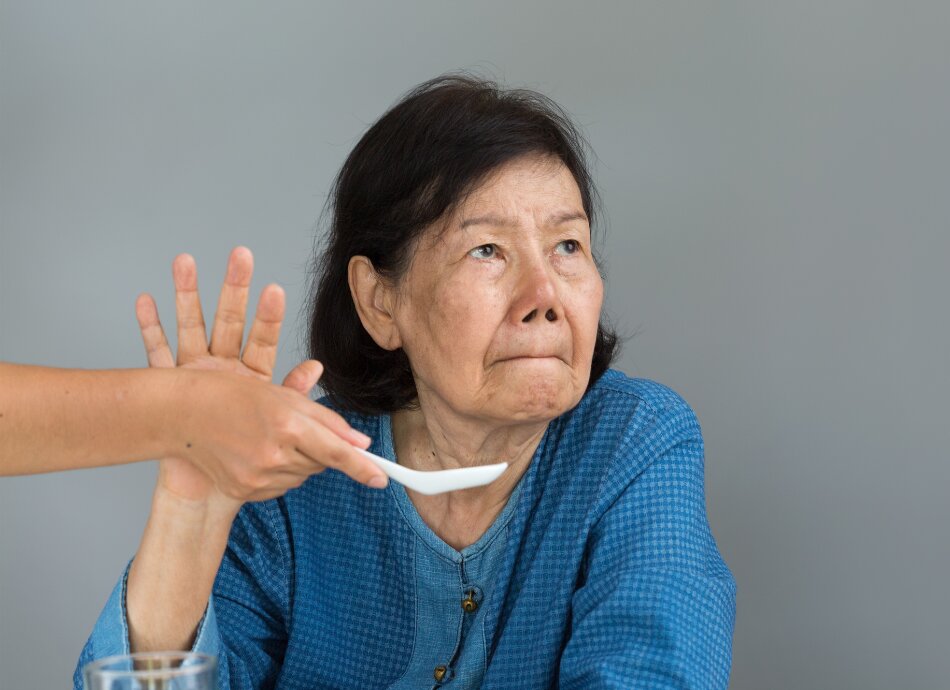
Unintentional weight loss is losing weight without trying. It can sometimes be a sign that your body is experiencing stress or an underlying health issue. It's important to pay attention to this change and to seek appropriate care when needed.
Unintentional weight loss can affect your energy, strength, and overall health. Gaining weight safely is important if you’re underweight or have lost weight unexpectedly. Eating enough protein and high-energy foods can help rebuild muscle and restore your weight.
It can be helpful to weigh yourself once a week and keep a note of it to share with your healthcare provider or dietitian. This can help your healthcare team understand what’s happening and support you. If you don’t have weighing scales at home, your pharmacy may have some you can use.
It’s important to pay attention and address the signs and symptoms of unintentional weight loss as early as possible. Signs can include:
- clothes, jewellery, belts or dentures becoming loose
- tiredness and loss of energy
- reduced physical performance
- reduced ability to perform normal tasks
- poor concentration
- not enjoying your favourite foods
- loss of appetite or poor appetite
- eating less than usual, skipping meals.

Image credit: Canva
Sometimes, you might notice a loss of appetite or less interest in eating. This can happen for lots of reasons such as, illness, treatment, medications, feeling anxious, tiredness, pain, or low mood. Read more about poor appetite and what might cause it.
Even if you don’t feel hungry, it’s important to keep eating. Food gives your body the energy and nutrients it needs to stay strong and keep going.
- Aim to have small, frequent meals or snacks every 2 to 3 hours throughout the day (eg, 6 meals/snacks instead of 3 larger meals).
- Eat small portions – little and often. Don’t wait until you feel hungry, eat at regular intervals (eg, by the clock).
- Avoid skipping meals – an empty stomach can sometimes make nausea, tiredness, or feeling unwell worse.
- If you're feeling unwell, choose cold, bland, or simple foods such as yoghurt, smoothies, or plain crackers as they have less smell and are often easier to tolerate.
- Add extra nutrition to very bite – choose full-fat foods (milk, yoghurt, cheese) and add extra energy or protein with cream, butter, oil, milk powder, or nut butter to meals and snacks.
- Follow a High Energy High Protein diet.
- Eat whatever appeals – any meal or snack at any time of the day is fine.
- Unless your healthcare provider or dietitian has advised otherwise, there’s no need to follow a strict diet – the focus is on eating enough to maintain your strength and prevent further weight loss.
- Aim to drink your fluids at the end of meals or snacks as they can fill you up.
- Make eating easier and more enjoyable – keep your mouth fresh and choose soft foods, such as yoghurt or scrambled eggs, if chewing is difficult.
Quick snack suggestions
- Milk and milk drinks.
- Yoghurt, custard and ice cream.
- Smoothies, yoghurt drinks, dairy desserts.
- Fresh or dried fruit, fruit juice.
- Nuts and seeds.
- Cheese or pate with crackers or bread.
- Peanut butter with crackers or bread.
- Store-bought ready to eat soups (ideally creamy).
- High energy packet soups >500 kJ per single serve.
- Leftovers – meats, vegetables, desserts .
- Hardboiled eggs.
- Crumpets, muffins, pikelets or scones with jam, honey, syrup, butter and cream.
- Dips made with cream cheese, beans or sour cream. Store-bought dips, hummus.
- Sandwiches, rolls, wraps or pita bread.
- Toast with toppings or a homemade toastie.
- Cakes and biscuits.
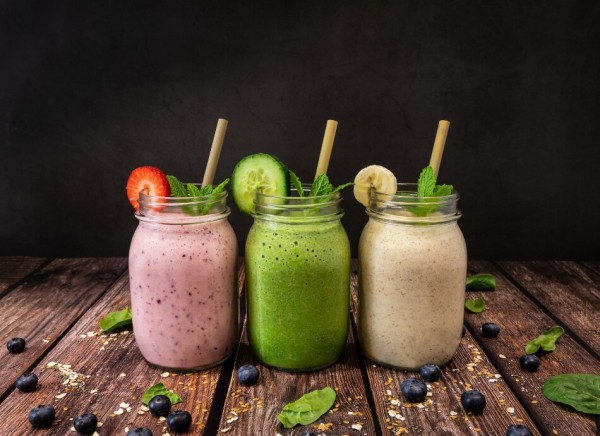
Image credit: Canva
Great sandwich fillings
- Salmon, tuna or chopped chicken with mayonnaise.
- Egg with mayonnaise or curry.
- Peanut butter (and jam, honey or salad), banana.
- Hummus and salad.
- Sardines, tuna or salmon in oil.
- Cheese with avocado, vegemite, tomato or chopped gherkins.
- Cold meats – with cheese, avocado, pickles, sauce, salad.
- Mashed banana, cream cheese and honey.
- Cheese spread with ham or deli meats.
- Tuna spread or chicken spread and lettuce and tomato.
- Baked beans or leftovers in a toasted sandwich.
- Eat when you can: Plan larger meals when your appetite is better and have smaller snacks at other times. It’s okay to enjoy favourite foods at any time of day (eg, breakfast foods for dinner).
- Prepare ahead: Make double recipes when you are feeling well. Freeze the extra and use when you don't feel like cooking. Use pre-washed, pre-cut, or shredded ingredients to save effort and keep ready-to-eat meals or snacks on hand.
- Get help if needed: Ask friends or whānau to help with shopping or preparing meals, use online shopping options such as grocery or meal delivery services.
- Share mealtimes: Eating with family or friends can make meals more enjoyable and motivate you to eat.
- Try nourishing drinks: If you're finding it difficult to eat enough, make a high energy high protein smoothie or milkshake (see recipes below) or consider drinking a liquid nutrition supplement. Most have added vitamins and minerals, and some drinks have 50 to 75% higher protein than regular milk. Talk to a dietitian before you buy these products. The dietitian can help you decide which foods and supplements are right for you.
Brochures
Unintentional weight loss(external link) Dietitian Connection, 2023
Tips for eating with a small appetite(external link) Dietitian Connection, 2023
Poor appetite and nausea tips(external link) BCRenal, Canada, 2022
How to overcome a poor appetite(external link) HealthInfo, NZ, 2022
References
- Loss of appetite(external link) Queensland Government, Australia, 2023
- Unintentional weight loss(external link) Queensland Government, Australia, 2025
- Unintentional weight loss Dietitians Australia, 2017
- Unintentional weight loss(external link) Dietitian Connection, 2023
- Introduction to malnutrition(external link) BAPEN, UK
- Tips for eating with a small appetite(external link) Dietitian Connection, 2023
- How to overcome a poor appetite(external link) HealthInfo, NZ, 2022
- High protein high energy diet(external link) Queensland Government, Australia, 2024
- High protein/high energy diet [PDF, 1.3 MB] Auckland DHB, NZ, 2011
- Tips to gain weight(external link) HealthInfo, NZ, 2022
- Eating guidelines for increasing your energy and protein intake(external link) PEN The Global Resource for Nutrition Practice, Australia, 2025
Need help now?
Credits: Smart Start Letter research team and co-design participants, funded by the Health Research Council
Reviewed by: Lily Henderson, Registered Dietitian; Healthify editorial team
Last reviewed: