

You can now add Healthify as a preferred source on Google. Click here to see us when you search Google.
Calcium supplements
Key points about calcium supplements
- Getting calcium from your diet is the best way to ensure you get enough calcium.
- Calcium supplements are used in some people for preventing or treating 'thinning' of the bones (osteoporosis).
- Calcium supplements are also called Calci-Tab®.
- Find out how to take them safely and possible side effects.

Calcium supplements are used to increase the amount of calcium in your body. Having the right amount of calcium in your body is important for bone health and your heart, muscles and nerves to function properly.
Most people get enough calcium by eating and drinking milk, cheese, yoghurt, bread, calcium-fortified plant-based milks, and some vegetables (spinach and watercress).
- Getting calcium from your diet is the best way to ensure you get enough calcium.
- Dairy products are the richest source of calcium and 2 to 3 serves per day, eg, a cup of milk, a pottle of yoghurt or 2 slices of cheese is recommended. Read more about calcium.
Although getting calcium from your diet is preferred, sometimes when there's not enough calcium in your diet for your body's needs then taking calcium supplements may be necessary.
Read more about when you need a calcium supplement and ways to include calcium foods in your diet.
Calcium supplements are available on prescription, or you can buy them without a prescription from pharmacies, health stores or supermarkets.
Osteoporosis
You may be prescribed a calcium supplement to prevent or treat ‘thinning’ of the bones (osteoporosis).
Calcium is important for strong bones. Getting enough calcium from your diet helps keep your bones healthy, but taking more than you need doesn't provide extra benefit.
Calcium supplements can help slow bone loss, but they usually don't stop it completely.
If you have osteoporosis and have already had a fracture, calcium alone is not enough to prevent more fractures. You'll also need a specific osteoporosis medicine. However, having enough calcium and vitamin D is important to support your bones while you're on osteoporosis treatment.
Kidney disease
Calcium tablets may also be used by people who have kidney problems. If you have too much phosphate, calcium tablets are used to bind to phosphate and this allows it to be removed, helping to keep phosphate levels normal. Read more about calcium supplements for kidney disease.
Pregnancy
Calcium has been found to be helpful for people who are at risk of developing a condition called preeclampsia when they're pregnant. Read more about calcium supplements in pregnancy.
If you’re thinking about taking a calcium supplement, talk to your healthcare provider or pharmacist first. They can help you decide whether you need them and whether they'll interact with other medicines you’re taking.
Getting calcium from your diet is the best way to ensure you get enough calcium. Before you take calcium supplements, your healthcare provider may consider the following:
- Do you have kidney or heart problems?
- Do you have problems with your parathyroid or bone (other than osteoporosis)?
- Are you pregnant, planning to become pregnant, or breastfeeding?
- Are you taking or using any other medicines? This includes any medicines being taken which are available to buy without a prescription, as well as herbal and complementary medicines.
If so, it’s important that you tell your healthcare provider or pharmacist before taking calcium supplements. Sometimes a medicine isn’t suitable for a person with certain conditions, or it can only be used with extra care.
Calcium supplements come in different forms including tablets (plain and effervescent), powders and liquids. Many products also include vitamin D or magnesium. Different products have different amounts of calcium.
- If you’re prescribed calcium by your healthcare provider, you’ll be told how much to take each day and when to take it.
- If you've bought calcium from a pharmacy, read the label on the bottle to find out how to take it and check with your pharmacist. Don’t take more than the amount recommended on the bottle. Too much calcium may cause side effects.
Read more about possible side effects of calcium supplements.
- Swallow calcium tablets with a glass of water.
- Effervescent tablets: Dissolve effervescent calcium tablets in a glass of water before swallowing.
- Food: Take calcium supplements with food.
- Missed dose: If you forget your dose, take it as soon as you remember. But, if it's nearly time for your next dose, just take the next dose at the usual time. Don't take double the dose. If you have trouble remembering when to take your medicines, see tips to help you remember to take your medicines regularly. You might find a medication reminder app helpful.
- Other medicines: Calcium supplements can interfere with the way your body absorbs other medicines so you may need to take these at a different time to your calcium – ask your pharmacist for advice.
Like all medicines, calcium supplements can cause side effects, although not everyone gets them. If you're concerned about any symptoms you think might be related to your medicine, talk to your healthcare provider. The following information offers some guidance but doesn't include all possible side effects.
Common side effects
Tell your healthcare provider if these side effects bother you.
- Bloated stomach, flatulence (farting), belching (burping).
- Constipation.
Tell your healthcare provider immediately or phone Healthline free on 0800 611 116 if these occur
- Signs of too much calcium such as feeling sick (nausea), headache, confusion, feeling weak, peeing more often.
- Diarrhoea (runny poo).
- Signs of kidney stones such as blood in your pee, severe pain in the side or back.
The following links provide further information on calcium supplements:
Calcium supplements(external link) New Zealand Formulary Patient Information
Calcium supplements(external link) Patient, UK, 2022
Brochures
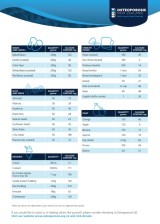
Calcium Factsheet(external link) Osteoporosis New Zealand, 2025
Medicines and side effects(external link) Healthify He Puna Waiora, NZ, 2024
Calcium(external link) Royal Osteoporosis Society, UK, 2025
Apps/tools
References
- Calcium supplements(external link) New Zealand Formulary
- Calcium salts (oral)(external link) New Zealand Formulary
- Calcium salts (oral)(external link) New Zealand Formulary for children
- Vitamin D supplementation: an update(external link) BPAC, NZ, 2025
What are calcium supplements used for?
Calcium supplements are used to increase the amount of calcium in your body if you can’t get enough calcium through your diet.
They can be used to treat or prevent osteoporosis, for pregnant people who are at risk of developing a condition called preeclampsia or for people with kidney problems.
Read more about when calcium supplements are used.
Who should take a calcium supplement?
Getting calcium from your diet is the best way to ensure you get enough calcium. If you’re thinking about taking a calcium supplement, talk to your healthcare provider or pharmacist first. They can help you decide whether you need them and whether they interact with other medicines you’re taking. Taking too much calcium can cause side effects.
Read more about when you need a calcium supplement.
What are the side effects of calcium supplements?
Like all medicines, calcium supplements can cause side effects, although not everyone gets them. If you're concerned about any symptoms you think might be related to your medicine, talk to your healthcare provider.
Some common side effects of calcium supplements are having a bloated stomach, flatulence (farting), belching (burping) and constipation.
Read more about possible side effects of calcium supplements.
Brochures
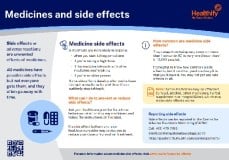
Medicines and side effects
Healthify He Puna Waiora, NZ, 2024
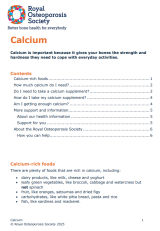
Calcium
Royal Osteoporosis Society, UK, 2025
Free helplines


Credits: Healthify editorial team. Healthify is brought to you by Health Navigator Charitable Trust.
Reviewed by: Angela Lambie, Pharmacist, Auckland
Last reviewed: