

You can now add Healthify as a preferred source on Google. Click here to see us when you search Google.
Medical tourism
Travelling to another country for a medical procedure or care
Key points about medical tourism
- Medical tourism is when you go to another country for a medical procedure.
- While this can sometimes work well, the quality of care you receive overseas may not be as high as you could expect in Aotearoa New Zealand.
- You should be prepared for the unexpected, such as complications of the procedure and extra costs that might come up.
- SafeTravel NZ recommends doing thorough checks, getting specialised insurance that covers the procedure and complications, and planning your recovery and follow-up before you travel.

Medical tourism is when you travel to another country for a medical procedure. Reasons for going may include lower costs, reduced wait times, or having access to treatments not readily available at home.
People travel overseas for a range of procedures, from cosmetic and dental work to cancer treatment and operations such as bariatric (weight-loss) surgery.
While it can be cheaper and quicker than waiting for surgery in your own country, there are risks involved with medical tourism. These may include:
- differences in medical standards
- the quality of medicines
- higher risk of serious life-threatening infections
- language barriers and communication challenges
- a lack of care immediately after your surgery
- difficulties with follow-up care once you return home.
If you decide to travel overseas for medical care, you should be aware of the risks, plan carefully and be prepared for unexpected events and costs.
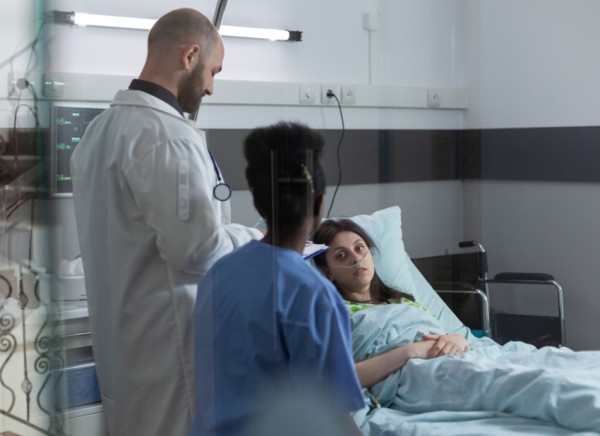
Image credit: Freepik
Infection is the most common complication of medical tourism. Healthcare facilities in other countries may not have good infection control practices, and you could be exposed to hepatitis B or C, HIV, surgical site infections, and drug-resistant bacteria or fungi which are difficult to treat.
There’s also the risk of other surgical complications, such as bleeding, blood clots (including deep vein thrombosis and pulmonary embolism) or re-opening of a surgical wound. Long flights also increase your risk of blood clots.
There are also financial risks. If something goes wrong during or after your procedure, you may not be covered by insurance. There may also be significant costs if you need emergency medical transfer and/or additional treatment back home.
The following factors can increase the risk of complications.
- Lower quality skills and practices: Standards vary between countries and even between hospitals in the same city, and fake or substandard medicines and lower quality medical devices may be used.
- Increased frequency and severity of drug-resistant organisms: Drug resistant bacteria or fungi are an unfortunate risk with medical care in any country, including Aotearoa New Zealand. Other countries can have higher rates of infection, and organisms with more extensive drug resistance – making treatment of post operative infections very difficult. You can also become colonised with these organisms, which means you carry them on your body and can bring them home and infect your whānau. Read more about antibiotic resistance.
- Communication challenges: Receiving care in a country where you don’t speak the language fluently could lead to misunderstandings about your care.
- Lack of continuity of care: There may be a lack of follow-up to make sure your outcomes are satisfactory and safe. If you need care back home you’ll need to see a different doctor than the one who performed your procedure overseas. Problems are more likely if you can’t give them detailed documents about your procedure and aftercare.
The following are things you can do to reduce the risks of having a medical procedure overseas.
Do your homework
Before you go, get clear answers about the following, in writing, from the hospital or clinic that you’re going to.
About the facility:
- Is it accredited by a trusted authority? Check if it's listed with Joint Commission International(external link).
- What are the hospital’s infection and complication rates? What are their infection control policies and procedures?
- Have there been issues with antibiotic-resistant bacteria?
About the surgeon and anaesthetist:
- Are they qualified, experienced, and accredited?
- Will they be the one doing the surgery, or someone else?
- Do they have malpractice or indemnity insurance?
- Will you be able to meet with them to talk about the procedure or treatment? This includes discussing the risks involved, what you need to know beforehand and what’s involved in care and rehabilitation afterwards (and who provides it).
About the procedure:
- What are the risks and success rates? Compare them to New Zealand statistics – be wary of claims that seem too good to be true.
- What devices, implants or medicines will be used? Ask for an English copy of all documents, including operation notes.
- What happens if something goes wrong? Is there an intensive care unit (ICU) available if needed?
- Make sure there’s a clear plan for medical follow-up, rehabilitation and aftercare once you return home.
- Get personalised advice from your surgeon about your expected recovery time, how long you will be staying in hospital, when it’ll be safe to fly home and how to prevent blood clots.
- Do you know exactly how much it will cost? Are you sure any estimates given are correct and won’t be increased after you’ve had treatment?
Before you travel – be prepared in case things go wrong
- Talk to your healthcare provider or specialist about the risks of the procedure you’re planning to have.
- Get a pre-travel health check and plan for any necessary follow-up care in Aotearoa New Zealand.
- Get copies of your medical records (including medicines you take, recent lab results and allergies) to take with you.
- Check you’re up to date with recommended vaccines for your destination.
- Know where the nearest emergency facility is in the country you’re travelling to, and what it would take to be flown home if needed.
- Arrange insurance.
- Standard travel insurance doesn't usually cover medical tourism. Get a specialised policy that covers your procedure, complications, and emergency flights home.
- Make sure you're covered for medical evacuation (being taken to a different healthcare facility) and even repatriation of remains (bringing your body or ashes home), just in case.
- Know the full costs of your stay – including what happens if you need to stay longer due to a complication or because it’s taking you longer than expected to recover.
- Consider travelling with a support person. They can help you navigate changes, support you emotionally, and advocate for you if you’re unwell.
- Register your trip with SafeTravel(external link) for travel updates and support if there’s an emergency in the place you’re travelling to.
- Understand your legal rights in the country you’re visiting. Know whether you can take legal action if something goes wrong.
- Update your will – it’s not fun to think about, but it’s important.
- Make sure you can access enough money to cover unexpected charges and costs. Some countries may not allow you to leave if you have unpaid bills.
If you need follow-up care when you return home, share all the details of your procedure with your healthcare provider. Tell them where you went and give them any information you have about your surgery, including implants, devices and medicines used. Be aware that follow-up care is unlikely to be funded when you're home – make sure you have put aside money to cover this.
Seek urgent care if you feel unwell, have a fever, chest pain or breathlessness, or if there’s any sign of wound infection. Read more about preventing and treating a wound infection.
References
- Medical tourism(external link) Safe Travel, Ministry of Foreign Affairs and Trade, NZ
- Medical tourism – travel to another country for medical care(external link) CDC, US, 2023
- Going overseas for a medical procedure (medical tourism)(external link) Smartraveller, Department of Foreign Affairs and Trade, Australia, 2024
- Medical assistance overseas(external link) Smartraveller, Australia, 2022
- Medical tourism position paper(external link) Royal Australasian College of Surgeons, 2017
- Medical tourism and insurance(external link) Better Health, Australia
- Medical tourism – information for healthcare providers(external link) CDC, US, 2025
- Health tourism – exploring the industry, types and top destinations(external link) Global Healthcare Accreditation
- The growth of the medical tourism industry and what’s driving it(external link) Medical Tourism Business, US
What's the difference between health tourism and medical tourism?
Health tourism is a broader term that includes medical tourism but also includes travel to another country to take part in activities intended to improve your overall health and wellbeing. This may be going to a health spa, a yoga retreat or a mindfulness workshop. It can also include preventive healthcare tourism where people travel for routine medical check-ups or diagnostic tests.
Why is medical tourism growing?
The cost of healthcare in many people’s own countries is encouraging them to look at options available in other countries. Some people may need specialist treatments that are not available, or readily available, at home. Specific countries have become known for particular services, such as dental, cosmetic, cardiac or joint replacement procedures. The rise in companies offering medical tourism packages makes it easier to plan.
What are the risks of medical tourism?
There are a number of potential risks. The greatest one is the risk of infection. You may be exposed to viruses and bacteria and return home with an infection that's very hard to treat and that you could pass on to your whānau. Other risks are that the procedure or treatment doesn't work, you may be given poor quality treatment or medicines, there may be misunderstandings due to language problems and there's no follow-up care once you return home. It may end up costing a lot more than you planned for. Read more about possible risks above.
Need help now?


Credits: Healthify editorial team. Healthify is brought to you by Health Navigator Charitable Trust.
Reviewed by: Dr Sara Jayne Pietersen, FRNZCGP, Auckland
Last reviewed: