

You can now add Healthify as a preferred source on Google. Click here to see us when you search Google.
Epilepsy first aid
What to do if somebody is having an epileptic seizure (fit)
Key points about epilepsy first aid
- If somebody is having a epileptic seizure it's good to know what to do to help them and when to get emergency help.
- Often a person having a seizure just needs to be kept safe while it happens and given reassurance.
- In some situations it's important to call an ambulance for them. This includes when a seizure goes on a long time, if they're pregnant, if they are injured or if they don't regain consciousness after 10 minutes.

An epileptic seizure is when somebody with epilepsy has a sudden change in the electrical and chemical activity in their brain. This causes changes in movement, consciousness, behaviour and feelings.
There may be something that brings on a seizure, such as flashing lights, stress or lack of sleep. But a seizure may just happen for no apparent reason. The experience of a seizure is different for every person. Some people may stay alert during a seizure and remember what happened, others may lose consciousness and not remember it or what happened before or after.
Signs to look out for are:
- jerking or twitching – particularly of their face, arms or legs
- foaming saliva coming out of their mouth
- the person being unresponsive, passing out
- loss of bladder or bowel control.
Having the right assistance and support during a seizure can help stop the person from hurting themselves.
- If somebody is having a a minor seizure, gently guide them away from any hazards if needed. Provide reassurance and company until they recover.
- However, they may need first aid and careful observation if a seizure makes them:
- fall down
- convulse (where their muscles relax and tighten rhythmically causing their body and limbs to jerk)
- breathe noisily and with difficulty
- lose consciousness.
Do
- Stay with the person until the seizure ends.
- Protect them from injury, such as by clearing the area, removing sharp or hard objects and moving them if they are in a dangerous place. If the person is close to a wall or hard furniture, pad the area with clothing or a pillow to avoid further injury.
- Time the seizure.
- When the seizure has stopped (or if they have food, fluid or vomit in their mouth) turn the unconscious person onto their side (into the recovery position) to keep their airway clear. Read more about the recovery position.
- Cover the person lightly with a coat or blanket.
- Speak calmly to the person and reassure them, even if you're not sure that they can hear you.
- See if the person has a medical alert bracelet or pendant. This may provide useful information.
Don’t
- Don't put anything in the person’s mouth or force anything between their teeth – they can't swallow their tongue.
- Don't hold the person down. This may result in a broken bone or soft tissue injury.
- Don't give them water, pills or food until they are fully alert.
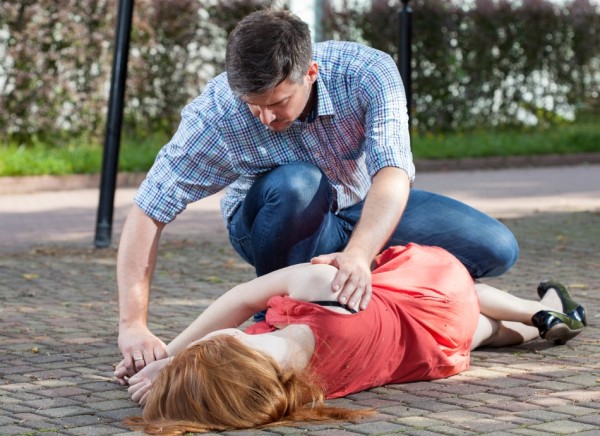
Image credit: Depositphotos
If they have a seizure while they're seated
- Secure the seat or wheelchair.
- Don't remove them from the secured seat until the seizure is over.
- Protect their head – tilt it slightly to the side to allow saliva to dribble out.
- After the seizure, if they need to rest or struggle to breathe, lie them down in the recovery position.
If they have a seizure in the water
- Protect their head and keep it out of the water.
- Remove the person from the water when it's safe to do so.
- Contact emergency services.
It's not usually necessary to call an ambulance when a person has an epileptic seizure. But there are times when it is important to get urgent help.
- the seizure lasts for more than 5 minutes
- a second seizure happens before they've regained consciousness (come to or woken up)
- the person doesn't wake up within 10 minutes after the seizure
- they're not breathing well
- the person has injuries that need medical treatment or has swallowed water
- they vomit during the seizure
- they ask for medical help
- the person is pregnant.
Brochures
Seizure first aid(external link) Epilepsy New Zealand
References
- What is a seizure?(external link) Epilepsy New Zealand
- First aid for seizures(external link) Epilepsy New Zealand
- Seizures or convulsions(external link) Hato Hone St John, NZ
- Seizures(external link) Health New Zealand | Te Whatu Ora, NZ, 2025
See our page Epilepsy for healthcare providers.
Need help now?

Credits: Healthify editorial team. Healthify is brought to you by Health Navigator Charitable Trust.
Reviewed by: DR Grace Lee, FRNZCGP and Clinical Educator
Last reviewed: