

You can now add Healthify as a preferred source on Google. Click here to see us when you search Google.
Depression – for young people
What to do if you or a friend is depressed
Key points about what to do if you (or a friend) are depressed
- Depression is when you feel down, sad, angry or upset, it doesn’t go away for weeks or months, and it makes everyday life harder.
- If you think you might be depressed, it doesn’t have to be this way, and you don’t have to do this alone – ask for help.
- There are qualified people who will be supportive of you and who’ll know how to help.
- There are also things you can do yourself to help with depression, such as using online tools and making lifestyle changes.

Everyone feels sad or down at times. It’s normal to feel like this, especially after going through a difficult or stressful time. Big things such as relationship breakups, trouble with family and friends, and stress at school are all normal reasons to be feeling low.
But depression, or feeling depressed, is when these low feelings stay around for weeks or months. They make it hard to carry on with your daily life and stop you from taking part in activities you would normally enjoy.
Depression is a combination of how we think, feel and behave, and everyone experiences it differently. If you’re feeling depressed, it’s a good idea to talk to somebody about it early – before it starts having a bigger impact on your life. The good news is that people with depression can and do get better.
Signs and symptoms of depression
Depression can change the way you think, feel and act. It might make you:
- feel sad, numb, empty, moody or irritable
- lose interest in the things you usually enjoy
- feel like everything is ‘too hard’ or overwhelming
- find it hard to concentrate or make decisions
- have unhelpful, negative thoughts about yourself and the world
- feel tired all the time and have no energy
- eat more or less than you normally would
- have trouble sleeping
- pull away from your family and friends
- have aches or pains in your body for no obvious reason
- find it hard to do schoolwork
- use more alcohol or drugs
- be agitated or jittery
- get into trouble or have fights.
Video: Adam's experience of depression
Youth presenter Adam shares his experience of depression.
(Black Dog Institute, Australia, 2013)
There’s no simple answer for why you might be feeling depressed. It might be a mix of several events or issues all going on at the same time. Some of the more common reasons for feeling depressed can be stress or pressure, being in an unhealthy relationship, being bullied or feeling like you don’t have friends or people you can talk to. It might also be connected to what’s happened in the past or how you cope with life. Research also says that spending a lot of time on social media causes a drop in your mood.
Sometimes there’s no obvious reason, and this can be frustrating and hard to understand.
You might feel depressed because you’re experiencing abuse or violence in your home and may need help to feel safe before you can work on feeling better.
- Talk to someone about how you’re feeling. The tricky thing is that depression can make you feel a bit worthless or scared that you’re going mad, so it makes it harder to talk about. It might also feel like it’ll never change or get better. These thoughts are just part of the depression so try not to listen to them. Sharing how you’re feeling with someone is a great first step, and there are lots of people who can help you get through it.
- There’s tons of evidence that shows taking good care of your body will also help with your mental health and wellbeing.
- Get moving: Regular exercise will help you sleep better, manage stress and boost your mood.
- Eat well: Good, healthy food improves your mood and energy levels.
- Get lots of sleep: It’s important to give your brain and body time to rest – focus on getting sleep at night time and being consistent with the times you get up and go to bed.
- Stay away from drugs and alcohol if you can as they’ll make you more depressed. Find out more about alcohol and mental health.
- If you find you’re spending a lot of time on social media and it’s hard to stop, interrupting your sleep or making you feel worse you could try some of the following:
- Do a social media detox.
- Use settings on your phone to time-out your social media session.
- Download an app that will delay opening your social media.
- Ask for help in managing your social media use.
- Spend more time outside, in nature, and with other people – being active and staying connected has been shown to help beat depression. Being involved in other activities will also give you a break from spending too much time online and on screens.
- Get involved in something that’s important to you, whether it’s through your school, a sport, your church or your marae, or a community project. It might take extra effort to go out and do things you used to enjoy, but it can help you feel more positive. Take notice of how you feel before and after, to see what works for you.
- It may help to make a plan for the tough times, especially when it feels like things will never get better. Write down what you’re good at, who cares about you, what brings you joy, and what helps – you could use the Ko wai ahau? Who am I?(external link) booklet to get you started.
- Have a look at the section below on where to get help. The Lowdown(external link), SPARX(external link), What’s Up(external link) and Aunty Dee(external link) know what it’s like to be a young person struggling with depression and they’re there to support you. There are also free helplines you can call or text and depression apps and e-learning available.
- Find out more about ways you can support your wellbeing(external link) and how to live well with depression.
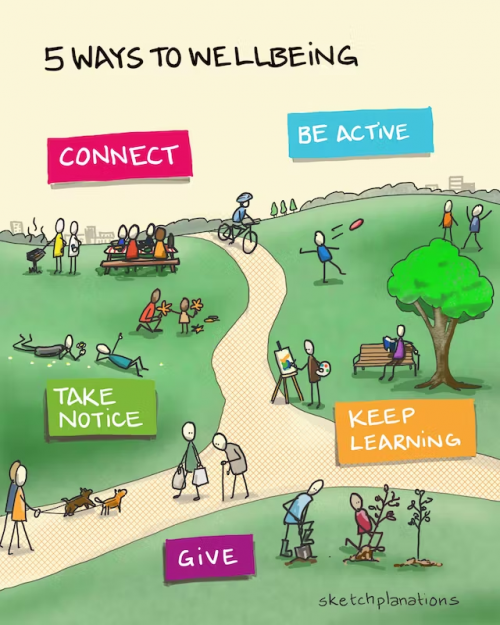
Image credit: Sketchplanations.com(external link)
If you're feeling really depressed and need help now you can talk to a counsellor by free calling or texting 1737.
The good news is that it won’t always feel this hard – people can and do recover from depression. For some people depression can come and go – if you’ve been depressed before, you can get better again.
If the self-care tips above don’t help, then it might be time to get some more support. Talk with a parent or another adult you can trust who can go with you to see a healthcare provider. There are lots of different ways to treat depression, so you don’t need to keep struggling on your own.
A healthcare provider will ask you questions about your thoughts, feelings and behaviour, including sleeping and eating patterns, as well as how long you’ve been feeling this way. They’ll ask about what’s going on in life for you at the moment, and whether you’ve ever felt like this before. They may also do a physical examination and order some blood tests to check there isn’t a physical reason for you feeling like you do.
They might suggest talking therapy with a trained mental health professional – this is the most common treatment. Counsellors and therapists will support you, and they’ll understand how you’re feeling. They can offer help with thinking patterns and anxiety, problem-solving skills and self-esteem (how you feel about yourself), as well as any other problems that might be part of why you’re feeling depressed. You may do some sessions with the therapist by yourself, and some with a parent or whānau member there.
They’ll also encourage you to make changes to your lifestyle to look after your health – exercise, eating well and getting enough sleep are all really important in supporting your mental health and helping you cope better.
You have a right to have whānau (or a friend) with you if that’s what you want, but if you’re worried about the health professional sharing information with your parents it’s ok to ask if you can talk alone, and to ask them exactly what they might share with your family.
Sometimes, with more severe depression, it may be necessary to take medicine. While antidepressants don’t cure depression, they can be used to support your mental health journey if talking therapy and lifestyle changes aren’t working. They will always work best when combined with talking therapy and lifestyle changes.
If you’ve noticed that a friend isn’t doing so well and you’re worried they may be depressed, there are a few ways you can help:
- Ask them about it. It can be hard to have conversations about difficult things, but talking openly about mental health concerns can be a big relief for a friend.
- Provide support by listening well and showing empathy for what they’re going through.
- Encourage them to tell an adult they trust such as a parent, teacher or school counsellor, or to contact one of the helplines on this page.
- Let them know that there’s lots of support for depression and with some help they’ll start to feel better.
Remember that you don’t have to carry all the responsibility for making sure your friend is safe and well – tell a trusted adult if you’re worried. Parents, teachers and school counsellors will know how to get professional help to support them. You can also call one of the helplines yourself if you want to talk about a friend.
If you’re especially worried about your friend’s safety and you think they might do something to hurt themselves, it’s always okay to share your concerns with an adult who can help.
Online support
The Lowdown
The Lowdown(external link) (FREE text 5626 or chat online(external link)) is a website to help you recognise and understand depression or anxiety. However you may be feeling, The Lowdown is full of ideas and people who can help you get unstuck and get to a better place.
It can help you find the way to start a conversation with your whānau and friends about issues you're facing and help reduce the impact of depression and anxiety in your life. There’s a chat room, personal stories, music and more.
Video: The Lowdown
(The Lowdown, NZ, 2017)
SPARX
SPARX(external link) was developed with the help of young people like you and is based on a type of talking therapy called cognitive behavioural therapy (CBT)(external link). You can do CBT with a counsellor or a psychologist but you can also learn CBT skills from a computer programme like SPARX. It’s designed to help you cope with those thoughts and feelings keeping you down.
What makes computerised CBT like SPARX unique is that you can do it on your own, at your own pace, whenever and wherever it suits you – all you need is a computer with access to the internet.
Video: Feeling down, worried or stressed? Take control with SPARX!
(SPARX, NZ, 2014)
A message from Stan Walker
Stan Walker shares why he is supporting SPARX. Stan has made his single 'Bully' available to be used to promote SPARX.
Video: Stan Walker on why he supports SPARX
(SPARX, NZ, 2014)
Small Steps
Whether you’re looking for ways to stay feeling good, or you need help or relief when you’re not feeling so great, Small Steps(external link) can support you with practical tools, strategies and advice.
Aunty Dee
Aunty Dee(external link) is an online problem-solving tool. It’s all about having someone there who can help you sort out your problems.
Helplines
Free phone or text 1737(external link) anytime, 24 hours a day to talk with a trained counsellor.
What’s Up(external link) is a safe place for you to talk about anything at all. Free call 0800 WHATS UP (0800 942 8787) 12pm-11pm Monday to Friday, 3pm-11pm Weekends, or chat online.
Youthline(external link) (0800 376 633) Free helplines 24/7 – free TXT 234, free call 0800 37 66 33, chat online (10am – 10pm) or email. Youthline provides access to support and help for young people. They also offer a counselling service with up to 8 free counselling sessions (over the phone, face-to-face or via video call), in Auckland
Depression helpline(external link) 0800 111 757 (24 hours, 7 days)
Lifeline(external link) 24-hour telephone counselling 0800 543 354 or 09 522 2999 (within Auckland) or free text 4357
Apps reviewed by Healthify
You may find it useful to look at some mental health and wellbeing apps for teenagers and young people.
The following links provide more information on depression. Note that some resources are from overseas so they’ll have phone numbers that differ from New Zealand helplines. You can free call or text 1737 any time, 24 hours a day to talk with a trained counsellor. In an emergency call 111.
Understanding and dealing with depression – for young people(external link) Headspace Australia
Self-care ideas(external link) Anna Freud National Centre for Children and Families, UK
Ignite(external link), NZ Online NZ support to strengthen wellbeing
Helplines and local mental health services(external link) Mental Health Foundation, NZ
Brochures
Understanding depression fact sheet (external link)Headspace Australia, 2022
Ko wai ahau? Who am I?(external link) Mental Health Foundation, NZ, 2021
Five ways to wellbeing(external link) Mental Health Foundation, NZ Also available in te reo Māori(external link) and other languages(external link)
Depression factsheet(external link) Mental Wealth, NZ, 2019
Apps
Depression apps
Mental health and wellbeing apps for teenagers and young people.
References
- How teens can help friends with anxiety and depression(external link) Children’s Health, US
- Supporting a young person experiencing mental distress(external link) Mental Health Foundation, NZ, 2025
- What is depression?(external link) Headspace Australia, 2021
How can I tell if I'm depressed?
Depression will look different for everyone, but there are some common signs and symptoms. You may feel sad, numb, empty or irritable, and have trouble concentrating. Things that you used to enjoy may no longer interest you and you might pull away from family and friends. You might also feel tired all the time and have changes in your appetite. If you’ve been experiencing some of these for several weeks or months it might be time to seek help.
What should I do if I think my friend might be depressed?
Talk to them about how they’re feeling – it’s okay to ask them directly. Encourage them to talk to an adult they trust so they can get the support they need to start feeling better. If you’re worried about them it’s okay for you to tell a trusted adult – their safety and wellbeing is the most important thing.
Why am I feeling depressed?
Everyone’s different. Sometimes there might be a big, hard thing that has happened in your life, and sometimes depression can hit for no obvious reason. Often it’s a combination of lots of things going on at the same time.
Am I the only one who feels this way?
It’s really normal to feel down sometimes, but when it goes on for too long, then it might be depression – about 1 in 5 teenagers in Aotearoa New Zealand struggle with their mental health, so you’re not alone.
Will I ever feel normal again?
Yes – people can and do recover from depression. But it’s important to get help and support early because the longer it goes on, the harder it is to get better. If it goes on for a long time it’s more likely to really disrupt your life, but the quicker you ask for help, the faster you can get back to feeling like yourself again.
Brochures
Understanding depression fact sheet
Headspace Australia, 2022

Ko wai ahau? Who am I?
Mental Health Foundation, NZ, 2021
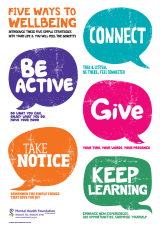
Five ways to wellbeing
Mental Health Foundation, NZ te reo Māori, other languages
Need help now?


Credits: Healthify editorial team. Healthify is brought to you by Health Navigator Charitable Trust.
Reviewed by: Rewa Murphy, Clinical Psychologist
Last reviewed: