

You can now add Healthify as a preferred source on Google. Click here to see us when you search Google.
Food safety in an emergency
Key points about food safety in an emergency
- Natural disasters and events such as floods, storms, power cuts and earthquakes can affect your clean water and power supply.
- This can make it harder to keep your food and water safe for eating and drinking.
- Here are some tips for avoiding getting sick from food and water during a natural disaster.
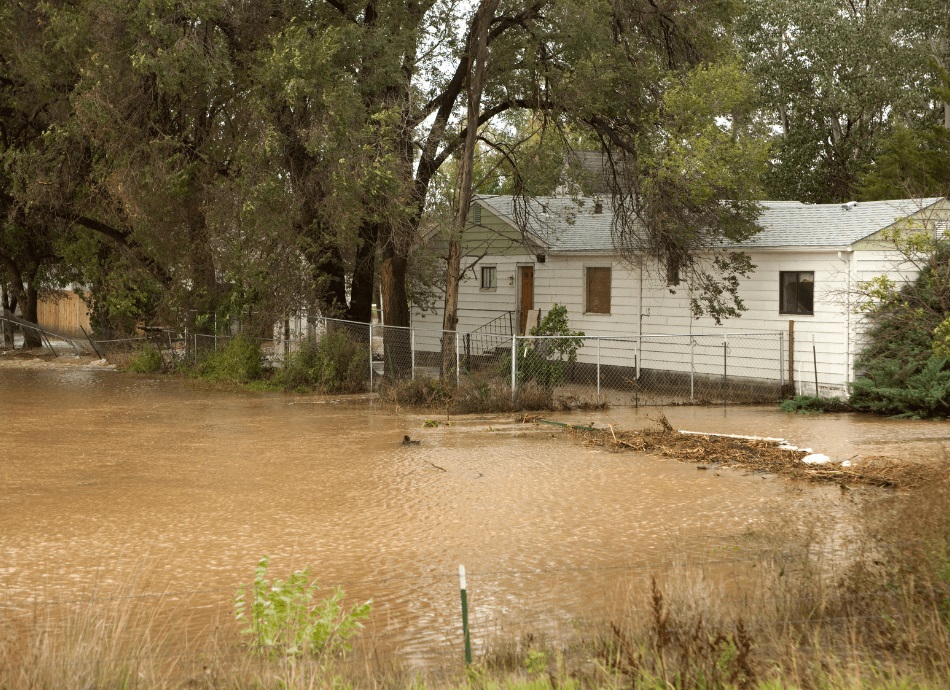
If you need information about where to get help due to a natural disaster or flooding:
Visit the National Emergency Management Agency (Civil Defence)(external link) for latest guidance and updates or find your local civil defence group(external link).
During a natural disaster or emergency, the safety of your food and water may be at risk.
- Fridges, freezers, and ovens may break down, and food could spoil more quickly.
- Water supplies can get cut off or get polluted.
- Sewerage systems can get disrupted.
This puts you at risk of getting foodborne illness (or food poisoning). Read more about food safety and foodborne illness.
Follow these steps to avoid getting sick
- Eat foods such as meat or bread that will expire soon first, because they spoil more quickly than non-perishable food.
- Eat canned foods last.
- Open the fridge and freezer as little as possible to help keep it cooler for longer.
- Don't eat vegetables or fruits that have been lying in floodwater.
- Cover all food with plastic wrap, or store it in waterproof containers.
- Leave bottles, drink cans and water containers in the fridge (if it’s working).
- Throw out bad or rotting food before it spoils other food.
Focus on hygiene when preparing and cooking food
It may be harder to keep surfaces and equipment clean when preparing and cooking food in an emergency. Here are some tips to follow.
- Always wash and dry your hands before preparing food – if water is in short supply keep some in a bowl with disinfectant.
- Make sure all kitchen utensils are clean before you use them.
- Cook food thoroughly.
- Cover all food with plastic wrap or store in waterproof containers.
- Rubbish containing food scraps must be protected from flies and rats by wrapping the scraps or putting them in a sealed container.
How can I get clean water?
Boil or purify water before using it in food preparation. This helps to avoid spreading viruses and bacteria between food. Once its boiled, cover and store water in a clean container and place in the fridge (if it's working) or in some other cool place. Re-boil the water if it' not used within 24 hours.
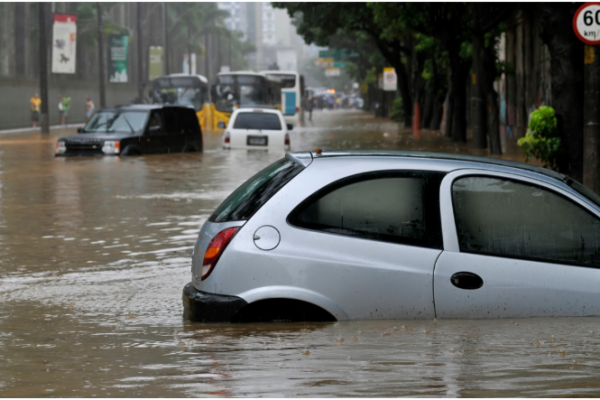 Image credit: Canva
If you don't have power to boil water then add purifying tablets or bleach to make it safe to drink. Add 5 drops of household bleach per litre of water (or half a teaspoon for 10 litres) and leave it for 30 minutes. Don't use bleaches that contain added scent or perfume, surfactants or other additives – they can make you sick.
To wash dishes and wash your hands
You can use water from:
- a hot water cylinder
- a toilet cistern – as long as no chemical toilet cleaner has been added
- a spa/swimming pool to wash yourself and your family/whānau
- bottled water.
Make sure you follow the steps above to boil or purify water before using it in food preparation.
Knowing what is safe to eat during the clean-up phase after an emergency can also be difficult. Follow these tips to prevent you or your whānau getting sick:
- Check the food – does it smell or look different? Has the colour changed and does it have a slimy texture? If so, it's probably not safe to eat.
- If food is still visibly frozen (eg, it still has ice crystals on it), and packaging isn't damaged or open, you can still safely refreeze it.
- You should not refreeze food that's defrosted.
- You can still keep or use food that was frozen but has defrosted, you just need to keep it cold (eg, in the fridge).
- Don't use any tinned food that has been damaged (eg, if the can has broken open, become dented, or has rusted).
Prepare for emergency by putting together a food survival kit. Make sure you include enough items to last at least a few days.
You could include:
- canned or dried food, such as fish, fruit, vegetables, cereals, tea, coffee, powdered soup, biscuits (and a can opener).
- bottled water
- milk powder or UHT milk
- special items (eg, baby food).
Remember to regularly restock and refresh your emergency food supplies. Check the use-by dates and make sure cans and packaging are not damaged or rusty.
If you live in a place that is at risk of flooding, keep your survival kit above where the water might reach.
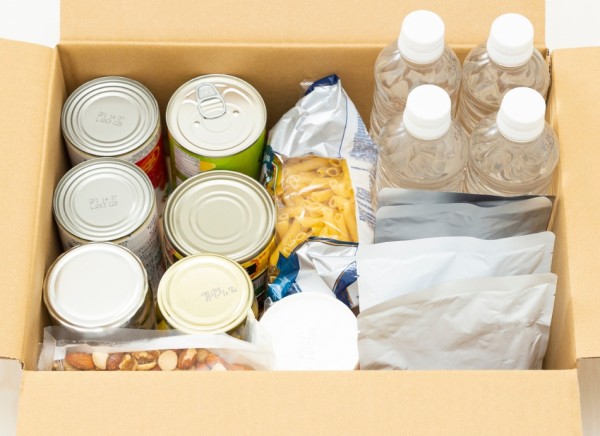
Image credit: Canva
Resources for adverse events(external link) Ministry for Primary Industries, NZ
Brochures
Protecting your health in an emergency(external link) HealthEd, NZ, 2019
References
- Food safety in natural disasters and emergencies(external link) Ministry for Primary Industries, NZ
Need help now?
Credits: Healthify editorial team. Healthify is brought to you by Health Navigator Charitable Trust.
Reviewed by: Lily Henderson, Registered Dietitian
Last reviewed: