

You can now add Healthify as a preferred source on Google. Click here to see us when you search Google.
Vitamin and mineral supplements
Key points about vitamin and mineral supplements
- Vitamin and mineral supplements can be bought from supermarkets, health shops and pharmacies or online.
- Multivitamin supplements usually contain a combination of vitamins, and sometimes minerals, and are marketed to support overall health.
- It’s best to seek advice from your healthcare provider or dietitian before taking any kind of vitamin or mineral supplement.
- Learn more about how to take vitamin and mineral supplements safely.

Vitamin and mineral supplements can be bought from supermarkets, health shops, pharmacies and online.
- They come in a variety of forms, including tablets, capsules, gummies, powders and drinks.
- Multivitamin supplements usually contain a combination of vitamins, and minerals, and are marketed to support overall health. While they can be helpful for some people, multivitamins are not a substitute for a balanced and healthy diet.
- Some products contain individual vitamins or minerals and are used to treat or prevent specific nutritional deficiencies, such as iron or vitamin D deficiency.
- Products sold as vitamin and mineral supplements come with a label that lists the active ingredient per serving, dose and other ingredients such as flavourings, fillers and binders.
- It's important to note that vitamin and mineral supplements are not registered as 'medicines' in Aotearoa New Zealand and are not approved by Medsafe. Instead, Medsafe has established Good Manufacturing Practices (GMPs) that manufacturers must follow to help ensure ingredients listed are correct and the product is packaged and labelled correctly.
Most people can get all the vitamins and minerals they need from a balanced diet that includes a variety of fruit and vegetables, whole grains, protein foods, and dairy foods (or alternatives).
However, some people need supplements to correct vitamin and mineral deficiencies. This may include:
- pregnant women or women who are breastfeeding
- people who have a restricted diet
- vegan and vegetarians
- some older adults
- people with certain health conditions (eg, coeliac disease, cystic fibrosis).
Food is a complex source of vitamins, minerals and phytochemicals (plant chemicals), which all work together. Supplements tend to work in isolation. Vitamins and minerals also exist in different forms, and supplements may not provide the correct forms or the right amounts to be effective.
It’s best to talk with your healthcare provider before taking supplements, because taking too much of some vitamins and minerals can be harmful.
Do I need a daily multivitamin supplement?
The use of a daily multivitamin supplement to protect your health is not recommended. Unless a supplement has been recommended by your healthcare provider, it's usually better to base your diet around whole fruits, vegetables, and other plant foods as these contain a wide range of essential vitamins, minerals, antioxidants and plant chemicals that work together and are linked to lower risks of cancer and heart disease. Studies on supplements with antioxidants such as beta-carotene and vitamins A and E have generally not shown the same benefits, and some evidence suggests high doses may even be harmful. A multivitamin supplement may be recommended for some people who have a restricted diet however it's not a substitute for a healthy diet.
Yes, there are some safety concerns to be aware of when taking vitamin or mineral supplements.
Taking too much
Taking too much of some vitamins or minerals can be harmful, especially fat-soluble vitamins such as A, D, E, and K, which can build up in the body over time and cause side effects. If you take water-soluble vitamins, such as vitamins C, B1, and B2, extra amounts are usually removed by your body through urine (pee). However, people with kidney or liver problems may not be able to process or remove vitamins and minerals properly, increasing the risk of harmful build-up and side effects.
If you take more than one supplement it's important to check the ingredients to make sure you're not doubling up on any nutrients, which can increase the risk of taking too much.
Taking too little
If you have a known nutrient deficiency, or are at high risk, your healthcare provider is the best person to advise on an approach for supplementation. Many multivitamins don’t contain a high enough dose of individual nutrients to prevent or treat a deficiency if you're at risk.
Interactions with medicines or other supplements
Vitamins and mineral supplements can interact with medicines and other supplements in several ways. They may affect how a medicine works or change how well it's processed by your body. Some supplements can reduce the way you absorb certain nutrients or medicines if they're taken at the same time. Because of these risks, it’s important to use supplements carefully and check with your healthcare provider before starting them. They can advise on the safest timing, dose, type and combination of supplements and medicines to avoid potential problems.
Marketing and health claims
Some products may advertise benefits such as “boosts immunity” or “supports stable moods” even when there may be little or no scientific evidence to support these statements. Marketing can be especially misleading if it suggests that a supplement can “fill potential gaps in your diet” or replace a healthy diet or medicine.
Social media influencers, celebrity endorsements and online advertisements may make products seem more effective or essential than they really are, which can lead people to spend money on unnecessary or even unsafe supplements.
Because supplements are regulated differently from medicines, companies are not allowed to claim that their product can treat, cure, or prevent specific diseases. Instead, they can only make general claims about supporting normal body functions (for example “supports bone health” or “helps maintain healthy skin”). It’s important to read labels carefully, look for credible scientific evidence, and talk to your healthcare provider before taking any vitamin or mineral supplements.
Vitamin and mineral supplements(external link) - what to know Better Health, Victoria
References
- Getting too much of vitamins and minerals(external link) WebMD, US, 2024
- Dietary supplements(external link) Health New Zealand | Te Whatu Ora
Brochures
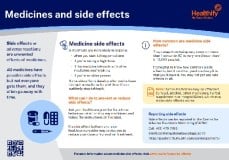
Medicines and side effects
Healthify He Puna Waiora, NZ, 2024
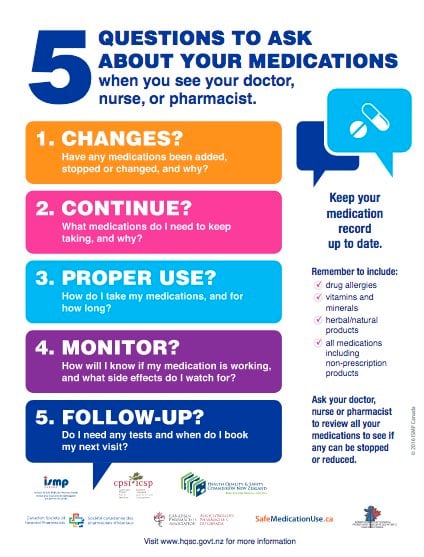
Health Quality and Safety Commission, NZ, 2019 English, te reo Māori
Free helplines



Credits: Sandra Ponen, Pharmacist, Healthify He Puna Waiora. Healthify is brought to you by Health Navigator Charitable Trust.
Reviewed by: Lily Henderson, Registered Dietitian; Angela Lambie, Pharmacist, Auckland
Last reviewed: