

If you're a frequent visitor to Healthify, why not share our site with a friend? Don't forget you can also browse Healthify without using your phone data.
Primolut N®
Also called norethisterone
Key points about Primolut N
- Primolut N is used for endometriosis, heavy menstrual periods, irregular periods and premenstrual syndrome (PMS).
- It may also be used to delay periods, or for menopause symptoms in combination with estrogen as part of menopause replacement therapy.
- Find out how to take it safely and possible side effects.

Primolut N belongs to a group of medicines called progestogens. Progestogen is very similar to the hormone progesterone that your body makes naturally. Primolut N is used for many conditions including:
- endometriosis: To prevent the lining of your womb and any endometriosis tissue from growing too fast
- heavy or prolonged menstrual periods or irregular, painful periods: To slow the growth of the lining of your womb before menstruation, reducing bleeding during menstruation.
- premenstrual syndrome (PMS): To reduce symptoms of PMS such as mood swings, anxiety, tiredness, bloating, breast tenderness, and headache.
- menopause: In combination with oestrogen as part of menopause hormonal therapy (MHT).
In some circumstances (eg, if you're taking part in a sporting event) it may also be used to delay a period.
Note: Primolut N contains norethisterone. Norethisterone is also available in a lower dose as a contraceptive pill for women, to prevent pregnancy, called Noriday®. It's a progestogen-only oral contraceptive pill or mini pill. Read more about the mini pill.
In Aotearoa New Zealand, Primolut N is available as tablets (5 mg).
- The dose of Primolut N will be different depending on what it's being used for.
- The usual dose is 5 mg 2 or 3 times a day.
- Some people may need lower doses eg, for menopause, taken together with an oestrogen.
- Take Primolut N exactly as your doctor tells you to. You may be asked to take the tablets every day, or to take them just on certain days of your monthly cycle.
- The pharmacy label on your medicine will tell you how much Primolut N to take, how often to take it and any special instructions.
- Swallow your tablets with a glass of water.
- You can take Primolut N with or without food.
- If you forget to take your dose, take it as soon as you remember that day. But if it's nearly time for your next dose, just take the next dose at the right time. Don't take double the dose.
Here are some things to know when you're taking Primolut N. Other things may be important as well, so ask your healthcare provider what you should know about.
- Pregnancy: Primolut N is not a contraceptive and doesn't stop you getting pregnant. It's important to use a reliable method of contraception Talk to your doctor about suitable options for you.
- Other medicines: Primolut N can interact with some other medicines and herbal supplements, so check with your doctor or pharmacist before starting Primolut N and any new products.
- Tell all healthcare providers that you're taking Primulout N (eg, your doctor or dentist, pharmacist or podiatrist).
Like all medicines, Primolut N can cause side effects, although not everyone gets them. Often side effects improve as your body gets used to the new medicine.
Risk of blood clots
- The risk of blood clots increases with increasing age, increased body weight, smoking, and with illnesses including cancer, some autoimmune diseases and some medicines.
- You are at an increased risk of having a blood clot when you take hormonal medicines, eg, Primolut N.
- If you're worried about the risk of blood clots, talk to your doctor.
- Seek medical advice immediately if you get symptoms of a blood clot, eg, chest pain, shortness of breath, calf pain or swelling in one leg or arm.
| Side effects | What should I do? |
|---|---|
|
|
|
|
|
|
|
|
| Read more about medicines and side effects and reporting a reaction you think might be a side effect. | |
Medsafe Consumer Information Sheet: Primolut N(external link)
Brochures
5 questions to ask about your medications(external link) Health Quality and Safety Commission, NZ, 2019 English(external link), te reo Māori(external link)
References
- The pharmacological management of endometriosis(external link) BPAC, NZ, 2013
- Norethisterone (endocrine)(external link) New Zealand Formulary
Brochures
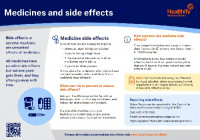
Medicines and side effects
Healthify He Puna Waiora, NZ, 2024
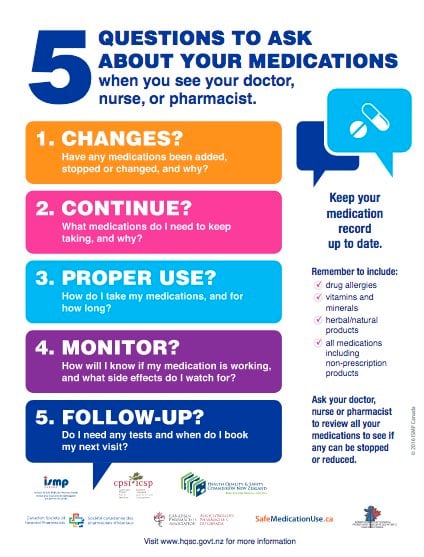
Health Quality and Safety Commission, NZ, 2019 English, te reo Māori
Free helplines


Credits: Sandra Ponen, Pharmacist, Healthify He Puna Waiora. Healthify is brought to you by Health Navigator Charitable Trust.
Reviewed by: Angela Lambie, Pharmacist, Auckland
Last reviewed: