

You can now add Healthify as a preferred source on Google. Click here to see us when you search Google.
Naltrexone
Sounds like 'nal-trex-own'
Key points about naltrexone
- Naltrexone is used to treat alcohol dependence by reducing the desire to drink.
- It’s also called Naltraccord®.
- You must not take opioids or opioid-containing medicines while on naltrexone.
- Find out how to take it safely and possible side effects.

Naltrexone is a medicine that helps people reduce how much alcohol they drink. It’s started alongside counselling or behavioural therapy.
Naltrexone works by blocking the effects of alcohol in the brain, so you don’t feel like drinking as much and you get less cravings. However, if you do drink alcohol while taking naltrexone, the alcohol will still cause intoxication and impair driving.
In Aotearoa New Zealand, naltrexone is also called Naltraccord® and is available as a tablet (50 mg). It’s only available on prescription written by a prescriber. It's only fully funded and free if the first prescription is started by a doctor who works in an addiction clinic, but after this, prescriptions can be written by your usual GP or healthcare provider.
It belongs to a group of medicines called opioid receptor antagonists. These medicines block the effects of opioids so it's important to tell your prescriber if you take opioids because naltrexone will stop them working. If you're not sure, ask your healthcare provider or pharmacist to check the other medicines you're taking.
Always take your naltrexone exactly as your healthcare provider has told you. The pharmacy label on your medicine will tell you how much to take, how often to take it and any special instructions.
- The usual dose for adults is 1 tablet once a day.
- Your healthcare provider will advise you how long to take naltrexone for.
- Swallow the tablet with a glass of water.
- You can take naltrexone with or without food.
- Try to take it at the same time each day, to help you remember.
- If you forget to take your dose, take it as soon as you remember, even if it's a few days later. But, if it's nearly the time for your next dose, just take the next dose at the right time. Don't double the dose.
Here are some things to know when you're taking naltrexone. Other things may be important as well, so ask your healthcare provider what you should know about.
- Alcohol: Naltrexone won’t make you sick if you drink alcohol, but the alcohol can still cause intoxication.
- Driving: Naltrexone can make some people feel tired or dizzy. Be careful when driving or using tools when you start this medicine until you know how it affects you.
- Other medicines: Don’t take opioids while you’re taking naltrexone – it will stop opioids working and cause bad withdrawals. As well as opioids, naltrexone may interact with some other medicines, herbal supplements, recreational drugs and rongoā Māori, so check with your healthcare provider before starting naltrexone and before starting any new products.
- Before having surgery or a medical procedure: Tell your healthcare provider you're taking naltrexone before you have surgery or a medical procedure. Opioid medicines are often used as pain relief afterwards, and naltrexone will stop them working. You’ll need to stop taking naltrexone for at least 3 days before starting opioid treatment.
- Pregnancy or breastfeeding: Talk to your healthcare provider if you're pregnant, planning a pregnancy or want to breastfeed.
- Monitoring: You will have a blood test to check that your liver is okay before you start naltrexone. You may also have blood tests while you’re taking naltrexone to check how well your liver is working.
- You can keep taking it regularly even if you feel well and your cravings are low.
- Don't stop taking naltrexone without talking to your healthcare provider.
Like all medicines, naltrexone can cause side effects, although not everyone gets them. If you're concerned about any symptoms you think might be related to your medicine, talk to your healthcare provider. The following information offers some guidance but doesn't include all possible side effects.
Common side effects
Tell your healthcare provider if these side effects bother you. They are usually mild and settle down with time.
- Nausea (feeling sick) or vomiting (being sick): Try taking your dose with or after food. You can talk with your healthcare provider about starting naltrexone on a lower dose.
- Headache.
- Diarrhoea or constipation.
- Dry mouth.
- Changes in your weight and how hungry you feel.
- Cold hands and feet.
- Sneezing or coughing.
- Feeling dizzy or tired: Don’t drink alcohol. Be careful when driving or using tools until you feel better.
- Trouble sleeping: Try taking your dose earlier in the day.
Tell your healthcare provider immediately or phone Healthline free on 0800 611 116 if these occur
- Mood changes, anxiety, depression, or worsening depression, low mood, aggressive tendencies, thoughts or talk of suicide and self-harm.
- Signs of problems with your liver such as yellowing of your skin or eyes, dark urine or pain in your abdomen.
Read more about medicines and side effects and reporting a reaction you think might be a side effect.
The following links provide further information on naltrexone. Be aware that websites from other countries may contain information that differs from New Zealand recommendations.
Naltrexone(external link) New Zealand Formulary Patient Information
Naltrexone tablets(external link) Patient, UK
Brochures
Medicines and side effects(external link) Healthify He Puna Waiora, NZ, 2024
5 questions to ask about your medications(external link) Health Quality and Safety Commission, NZ, 2019 English(external link), te reo Māori(external link)
References
- Naltrexone hydrochloride(external link) New Zealand Formulary
- Naltraccord(external link) Medsafe Datasheet, NZ
- Assessment and management of alcohol misuse by primary care(external link) BPAC, NZ, 2018
Can a GP prescribe naltrexone in New Zealand?
In Aotearoa New Zealand, naltrexone is only available on a prescription, so it must be prescribed. To be funded, the first time it’s prescribed must be by a doctor who works in an alcohol dependence treatment programme. If you need further treatment with naltrexone after you have finished the programme, your GP can prescribe it.
How long do I need to take naltrexone for?
The length of time you’ll need to take naltrexone varies for each person. People do best when they take it regularly as prescribed, get good support, and stay involved in counselling or recovery programmes. Your healthcare provider will review your progress and decide with you how long to keep taking it.
What is the most common side effect of naltrexone?
Nausea (feeling sick) is the most common side effect in people taking naltrexone for alcohol dependence. This is usually mild and taking the medicine with food may help.
Like all medicines, naltrexone can cause side effects, although not everyone gets them. If you're concerned about any symptoms you think might be related to your medicine, talk to your healthcare provider.
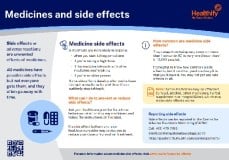
Medicines and side effects
Healthify He Puna Waiora, NZ, 2024
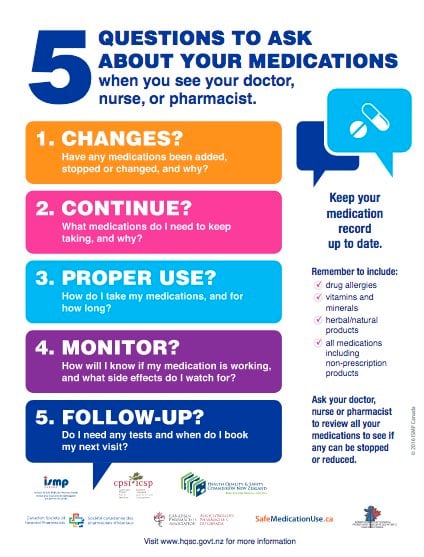
Health Quality and Safety Commission, NZ, 2019 English, te reo Māori
Free helplines
Credits: Healthify editorial team. Healthify is brought to you by Health Navigator Charitable Trust.
Reviewed by: Dr Alistair Dunn, FAChAM, FRNZCGP, Addiction Medicine Specialist and GP; Angela Lambie, Pharmacist, Auckland.
Last reviewed: