

You can now add Healthify as a preferred source on Google. Click here to see us when you search Google.
Mebeverine
Key points about mebeverine
- Mebeverine is used to relieve the symptoms of irritable bowel syndrome (IBS).
- Mebeverine is also called Colofac®.
- Find out how to take it safely and possible side effects.

Mebeverine is used to relieve the symptoms of irritable bowel syndrome (IBS) such as abdominal (tummy and gut) pain and cramps, diarrhoea (runny poo), constipation and flatulence (farting).
Mebeverine relaxes the tummy and gut muscles to help ease bloating and the spasm-type pain that can happen with irritable bowel syndrome (IBS).
Read more about irritable bowel syndrome.
In Aotearoa New Zealand, mebeverine is available as tablets (135 mg) and is only available when written on a prescription by a prescriber.
- Always take mebeverine exactly as your healthcare provider has told you. The pharmacy label on your medicine will tell you how much to take, how often to take it, and any special instructions.
- The usual dose of mebeverine is 1 tablet 3 times a day before breakfast, lunch and dinner.
- It's usually recommended to take mebeverine only when necessary. It usually starts to work after 1 hour.
- Start taking it when your symptoms flare up and continue to take it until you feel better. Stop taking it when your symptoms settle down again (this usually takes 1 to 2 weeks).
- Food: Mebeverine is best taken 20 minutes before a meal.
- Swallow the tablets with a glass of water.
- Missed dose: If you forget your dose, take it as soon as you remember. But if it's nearly time for your next dose, just take the next dose at the usual time. Don't take double the dose
Here are some things to know when you're taking mebeverine. Other things may be important as well, so ask your healthcare provider what you should know about.
- Other medicines: Mebeverine interacts with some medicines, herbal supplements and rongoā Māori, so check with your healthcare provider or pharmacist before starting mebeverine and before starting any new products.
- Driving: Mebeverine can make you feel dizzy or tired. Be careful when driving or using tools until you know how this medicine affects you.
- Pregnancy or breastfeeding: Talk to your healthcare provider if you're pregnant, planning a pregnancy or want to breastfeed.
Like all medicines, mebeverine can cause side effects although not everyone gets them. If you're concerned about any symptoms you think might be related to your medicine, talk to your healthcare provider. The following information offers some guidance but doesn't include all possible side effects.
Tell your healthcare provider if these side effects bother you.
- Indigestion.
- Not feeling hungry.
- Headache.
- Constipation.
- Feeling dizzy, tired or unwell.
Phone 111 for an ambulance or go to your nearest accident and emergency (A&E) clinic if these occur
- Signs of an allergic reaction such as itchy skin, and rash, swollen lips or tongue, problems breathing, like a tight chest or shortness of breath.
Read more about medicines and side effects and reporting a reaction you think might be a side effect.
The following link has more information on mebeverine:
Colofac(external link) Consumer Medicine Information, Medsafe, NZ
Brochures
Medicines and side effects(external link) Healthify He Puna Waiora, NZ, 2024
5 questions to ask about your medications(external link) Health Quality and Safety Commission, NZ, 2019 English(external link), te reo Māori(external link)
References
- Mebeverine hydrochloride(external link) New Zealand Formulary
- Mebeverine(external link) New Zealand Formulary for children
- Colofac(external link) Medsafe datasheet, NZ
- Irritable bowel syndrome in adults: not just a gut feeling(external link) BPAC, NZ, 2014
What is mebeverine used for?
Mebeverine is used to relieve the symptoms of irritable bowel syndrome (IBS) such as abdominal (tummy) pain and cramps, diarrhoea (runny poo), constipation and flatulence (farting).
How does mebeverine work?
If you have irritable bowel syndrome, your tummy and gut can spasm and squeeze tightly, which is painful. Mebeverine is a type of medicine called an antispasmodic. It works by relaxing the muscles in your tummy and gut to ease the cramps and pain.
When will I feel better after taking mebeverine?
Mebeverine usually starts to work after 1 hour. You should feel better after 1 to 3 hours.
Brochures
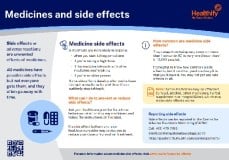
Medicines and side effects
Healthify He Puna Waiora, NZ, 2024
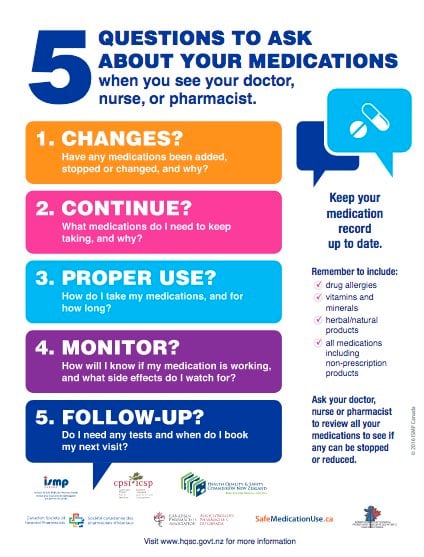
Health Quality and Safety Commission, NZ, 2019 English, te reo Māori
Free helplines



Credits: Healthify editorial team. Healthify is brought to you by Health Navigator Charitable Trust.
Reviewed by: Stephanie Yee, Pharmacist, Auckland
Last reviewed: