

You can now add Healthify as a preferred source on Google. Click here to see us when you search Google.
Flucloxacillin plus probenecid for cellulitis
Key points about flucloxacillin plus probenecid for cellulitis
- Flucloxacillin is an antibiotic used to treat cellulitis.
- Probenecid is taken with flucloxacillin to help it stay in your body longer, making the antibiotic more effective.
- Find out how to take it safely and possible side effects.
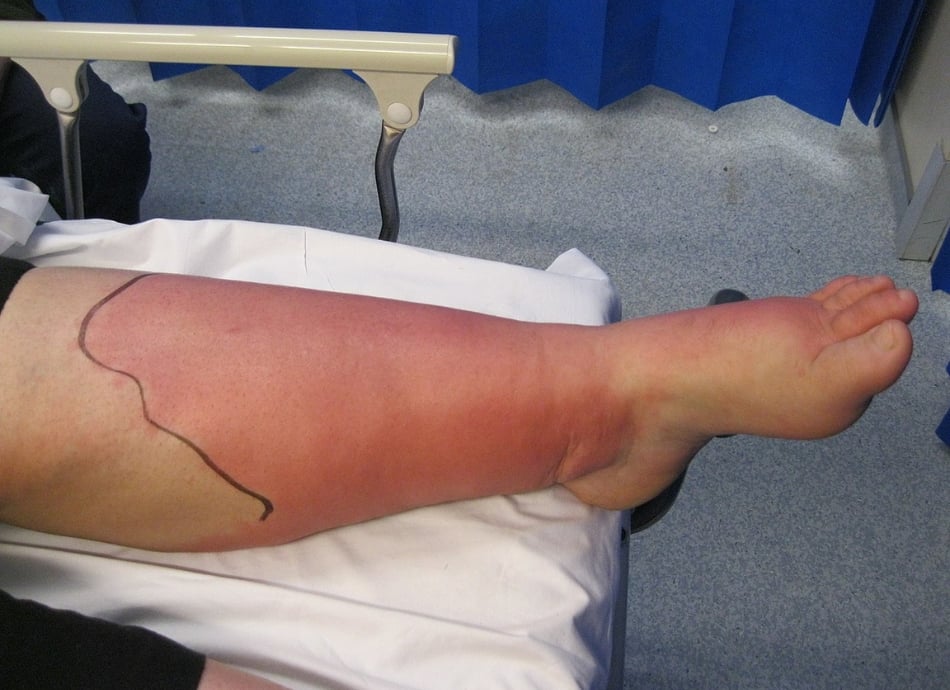
Flucloxacillin is an antibiotic that targets bacteria to treat infections such as cellulitis. Probenecid is sometimes used together with flucloxacillin capsules to treat cellulitis. Probenecid acts on your kidneys to slow down the removal of the antibiotic from your body, keeping it in your body longer. This helps the antibiotic work more effectively to treat the infection.
Probenecid is not an antibiotic and does not kill or stop the growth of bacteria. It must be taken with flucloxacillin to treat cellulitis.
Why is this combination used for cellulitis?
For some people with cellulitis, taking flucloxacillin capsules with probenecid can be an effective alternative to antibiotic injections. Studies have shown that the combination of probenecid with flucloxacillin capsules can work just as well as taking intravenous (IV) antibiotics.
- It's convenient: Capsules are easier to take at home without the need for clinic visits or hospital admission.
- It's more comfortable: Taking capsules means you can avoid needles or intravenous (IV) lines, which can be uncomfortable or restrictive.
- Lower risk of infection: Not having an injection helps to reduce the risk of infection at the injection site or in the blood stream.
- Costs less: Antibiotic capsules are generally less expensive than IV treatments, and you won't need hospital stays or medical equipment to have the antibiotic.
In Aotearoa New Zealand flucloxacillin is available as capsules (500 mg) and probenecid is available as tablets (500 mg).
Each dose will be 2 antibiotic capsules AND 1 probenecid tablet, taken 4 times a day for 5 days.
- Timing: Take each dose 4 times a day, at about the same time each day. Space your doses evenly throughout the day. For example, take it first thing in the morning, at around midday, late in the afternoon and at bedtime.
- You can take each dose with or without food: Taking it with food may help to reduce nausea (feeling sick).
- Missed dose: If you forget to take your dose, take it as soon as you remember. But if it's nearly time for your next dose, just take the next dose at the right time. Don't take double the dose.
- Finish the course: It's important to take the whole course for the number of days your prescriber has advised you to. Don't stop taking it, even if you feel better. If you stop the antibiotics too soon, this may cause another infection.
You should start to feel better within 24 hours of starting the antibiotics and probenecid, but the redness and swelling may take a few more days to go away.
Here are some things to know when you're taking flucloxacillin plus probenecid. Other things may be important as well, so ask your healthcare provider what you should know about.
- Other medicines: Flucloxacillin and probenecid may interact with some medicines, herbal supplements and rongoā Māori. Please check with your healthcare provider or pharmacist before starting treatment and before starting any new products.
- Keep yourself hydrated: It's important to drink plenty of water while you're taking these medicines.
- Athletes should avoid probenecid during competition: It's prohibited by the World Anti-Doping Agency (WADA) because it can hide the use of other prohibited drugs.
For cellulitis, as well as taking antibiotics, you can do other things
- Get plenty of rest. This helps your body to fight the infection. If you have cellulitis on your leg, limit walking for the first few days.
- Raise the affected body part on a pillow or chair as much as possible, ideally above the level of your heart. If your arm or hand is involved, use a sling when you're walking around. This helps reduce swelling and inflammation and promotes healing. Continue to do this for the first 72 hours at least.
- Drink plenty of fluids to prevent dehydration.
Contact your healthcare provider if your cellulitis is getting worse, if you're feeling more unwell or if there's no improvement after 2 days on antibiotics.
Read more about how cellulitis is treated.
Like all medicines, flucloxacillin with probenecid can cause side effects, although not everyone gets them. This combination is usually taken for only 5 days to treat cellulitis, so ongoing side effects are unlikely. Side effects may be caused by flucloxacillin, probenecid, or by taking the two medicines together.
If you're concerned about any symptoms, talk to your healthcare provider. The following information offers some guidance but doesn't include all possible side effects.
Common side effects
Tell your healthcare provider if they bother you.
- Feeling sick (nausea), being sick (vomiting), upset stomach, indigestion: These are common when you first start treatment. Try taking your medicines with food.
- Diarrhoea (runny poo): This should settle after a few days. Drink plenty of fluids such as water or diluted juice to avoid dehydration.
- Headache or dizziness.
- Loss of appetite.
- Flushing.
Tell your healthcare provider if these occur
- Signs of thrush in your mouth such as small white patches, pain or redness inside your mouth and cracks at the corners of your mouth.
- Signs of vaginal thrush such as itching, redness, soreness or unusual vaginal discharge (secretions) – this can be thick and white or thin and watery, without any smell.
Tell your healthcare provider immediately or phone Healthline free on 0800 611 116 if these occur
- Diarrhoea that is ongoing, gets worse or starts after you've completed your course of antibiotics or if you have diarrhoea with other symptoms such as abdominal pain, cramping and nausea (feeling sick).
- Signs of problems with your liver such as yellow eyes and skin, dark urine, stomach pain.
- Signs of problems with your kidneys such as passing urine more often than usual, pain when passing urine, blood in your urine, severe back pain.
Phone 111 for an ambulance or go to your nearest accident and emergency (A&E) clinic if these occur
- Signs of an allergic reaction such as itchy skin, and rash, swollen lips or tongue, problems breathing, like a tight chest or shortness of breath.
Read more about medicines and side effects and reporting a reaction you think might be a side effect.
Brochures
Medicines and side effects(external link) Healthify He Puna Waiora, NZ, 2024
5 questions to ask about your medications(external link) Health Quality and Safety Commission, NZ, 2019 English(external link), te reo Māori(external link)
References
- Probenecid(external link) New Zealand Formulary, NZ
- Probenecid(external link) Medsafe datasheet, NZ
- Everts RJ, Begg R, Gardiner SJ, et al. Probenecid and food effects on flucloxacillin pharmacokinetics and pharmacodynamics in healthy volunteers.(external link) J Infect. 2020 Jan;80(1):42-53.
- Bowhay TR, Tsang T, Wei JCZ, Edwik W, et al. Oral antimicrobial therapy for cellulitis versus outpatient parenteral antimicrobial therapy: a single-centre audit of cellulitis outcomes.(external link) Intern Med J. 2024 Feb;54(2):320-327.
- (external link)Pharmacokinetic medicines interactions with probenecid(external link) Christchurch Medicines Information Service, NZ, 2022
Brochures
Medicines and side effects
Healthify He Puna Waiora, NZ, 2024
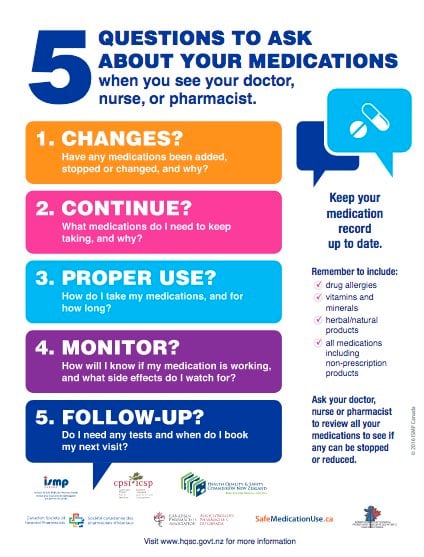
Health Quality and Safety Commission, NZ, 2019 English, te reo Māori
Free helplines



Credits: Sandra Ponen, Pharmacist, Healthify He Puna Waiora. Healthify is brought to you by Health Navigator Charitable Trust.
Reviewed by: Sharon Gardiner, Antimicrobial Stewardship Pharmacist, Health New Zealand | Te Whatu Ora – Waitaha | Canterbury; Angela Lambie, Pharmacist, Auckland
Last reviewed:
Page last updated: