

You can now add Healthify as a preferred source on Google. Click here to see us when you search Google.
Elidel cream
Key points about Elidel
- Elidel® is a cream used to treat mild to moderate atopic dermatitis (also called eczema).
- Elidel is also called pimecrolimus cream.
- Find out how to apply it safely and possible side effects.
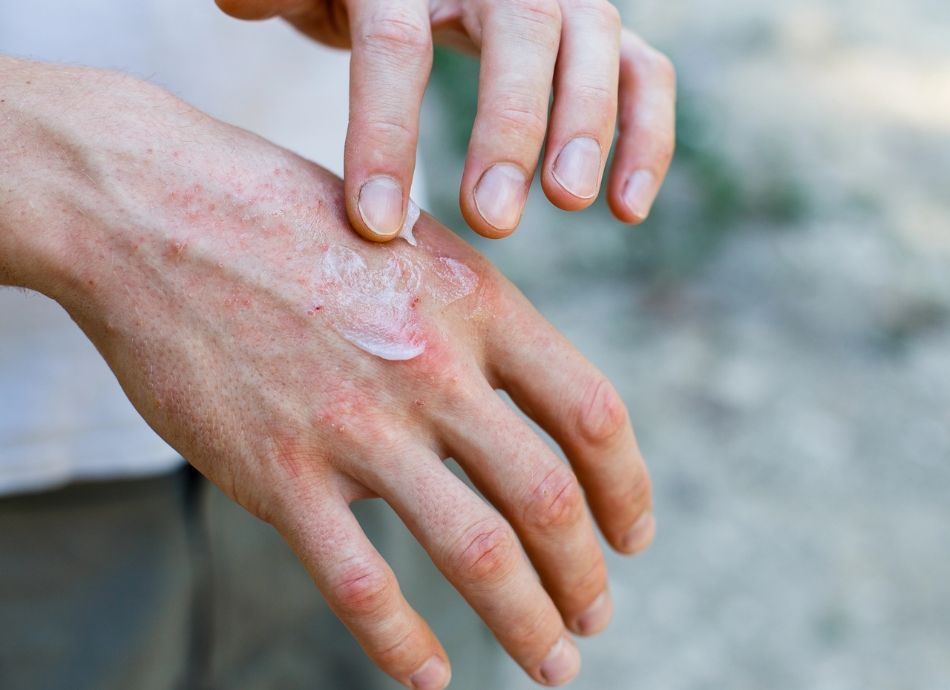
Elidel® cream is used to treat mild to moderate atopic dermatitis (also called atopic eczema) and flare ups of this condition. Flares (or flare-ups) are when your symptoms come back or get worse.
It's used when other medicines aren't suitable, such as using topical steroids for eczema on the eyelids, or when other treatments haven't worked well.
Elidel works by suppressing your immune system and helps to control inflammation, redness and itching. Elidel belongs to a group of medicines called calcineurin inhibitors. It's also called pimecrolimus.
In Aotearoa New Zealand, Elidel is only available on a prescription from a prescriber.
In Aotearoa New Zealand, Elidel is available as a 1% cream.
- Always use Elidel cream exactly as your healthcare provider has told you. The pharmacy label on your medicine will tell you how much cream to use, how often to use it and any special instructions.
- The cream is usually applied twice daily, once in the morning and once in the evening.
- Elidel should be used for the shortest time needed for your symptoms to get better.
- Your healthcare provider will advise you on how long to use the cream for. They may recommend using it from time to time when your condition flares up.
- Stop using Elidel if your eczema gets worse or if you don’t see any improvement after 6 weeks.
- If you forget to apply your cream, apply it as soon as you remember that day. But if it's nearly time to apply your next dose, just apply it at the usual time. Don't put on double the amount.
- Wash and dry your hands.
- Open the tube. The first time you use the tube you will need to break the seal using the spike in the top of the cap.
- Squeeze cream onto your finger. Apply a thin layer of cream and completely cover the affected skin.
- Rub in gently and completely.
- Replace the cap on the tube.
- Wash your hands after applying the cream (if your hands are not being treated).
If you're applying the cream to your face, try to avoid getting it inside your eyes, nose or mouth. If this does happen accidentally, wipe it off straightaway.
You can use moisturisers (emollients) and sunscreen with Elidel cream. Emollients can be applied immediately after using pimecrolimus cream, unless after a bath or shower, in which case emollients should be applied before.
Don't bathe, shower or swim right after applying Elidel. This could wash the cream off.
Here are some things to know when you're using Elidel. Other things may be important as well, so ask your healthcare provider what you should know about.
- Broken skin: Don't apply Elidel to broken skin.
- Skin infection: Don't apply Elidel cream to infected skin areas. This includes areas of skin affected by viral infection, such as cold sores (herpes simplex) or chicken pox. If your skin becomes infected during treatment with Elidel, you should inform your healthcare provider. Your healthcare provider may ask you to stop using Elidel until the infection has been adequately controlled.
- Sun protection: Elidel cream makes your skin more sensitive to the sun. When outside, protect treated areas from the sun by using a good sunscreen (at least SPF30+) and wearing sunglasses, a sunhat and clothing that protects the treated areas from the sun. Don’t use sunbeds or light therapy when using Elidel.
- Vaccination site: If you've had a vaccination recently, don't apply the cream to the site of vaccination until any redness or swelling has gone.
- Dressings: Don't cover the skin being treated with bandages or dressings. Bandaging can increase the amount of the medicine you absorb through your skin and may cause harmful effects.
- Avoid alcohol: Don’t drink alcohol while you’re using Elidel because the alcohol may cause your skin or face to feel hot and become flushed or red.
Like all medicines, Elidel cream can cause side effects, although not everyone gets them. If you're concerned about any symptoms you think might be related to your medicine, talk to your healthcare provider. The following information offers some guidance but doesn't include all possible side effects.
Common side effects
Tell your healthcare provider if these side effects bother you.
- A burning or stinging feeling on your skin where the cream is applied.
- Mild itching and redness.
Tell your healthcare provider immediately or phone Healthline free on 0800 611 116 if these occur
- Signs of skin infection (eg, weeping, spreading redness, crusting).
- Signs of herpes simplex infection (eg, tingling followed by fluid-filled blisters).
Phone 111 for an ambulance or go to your nearest accident and emergency (A&E) clinic if these occur
-
Signs of an allergic reaction such as itchy skin, and rash, swollen lips or tongue, problems breathing, like a tight chest or shortness of breath.
Read more about medicines and side effects and reporting a reaction you think might be a side effect.
The following links provide further information on Elidel cream:
Elidel cream(external link) Medsafe Consumer Medicine Information, NZ
Calcineurin inhibitors(external link) British Association of Dermatologists, UK
Brochures
Medicines and side effects(external link) Healthify He Puna Waiora, NZ, 2024
5 questions to ask about your medications (external link)Health Quality and Safety Commission, NZ, 2019 English(external link), te reo Māori(external link)
References
- Pimecrolimus(external link) New Zealand Formulary
- Pimecrolimus(external link) DermNet, NZ, 2024
- Elidel(external link) Medsafe datasheet, NZ
- B-QuiCK: Treatment resistant atopic dermatitis(external link) BPAC, NZ
- Treatment resistant atopic dermatitis in adults and adolescents: a topical issue(external link) BPAC, NZ, 2025
- Topical corticosteroids for childhood eczema: clearing up the confusion(external link) BPAC, NZ, 2021
What is Elidel cream used for?
Elidel cream is used to treat mild to moderate atopic dermatitis (also called atopic eczema) and flare-ups of this condition. It’s often used when topical steroids aren’t suitable or when other treatments haven’t worked well.
Elidel helps reduce inflammation, redness and itching by calming the skin’s immune response.
What age do you have to be to safely use Elidel cream?
In Aotearoa New Zealand, Elidel cream can be used in adults and in infants aged 3 months and over.
Always use Elidel cream exactly as your healthcare provider has told you. The pharmacy label on your medicine will tell you how much cream to use, how often to use it and any special instructions.
What are the side effects of Elidel cream?
Common side effects of Elidel cream include burning, stinging, redness and mild itching where the cream is applied. These usually settle as your skin gets used to the medicine.
If you're concerned about any symptoms you think might be related to your medicine, talk to your healthcare provider.
Brochures
Medicines and side effects
Healthify He Puna Waiora, NZ, 2024
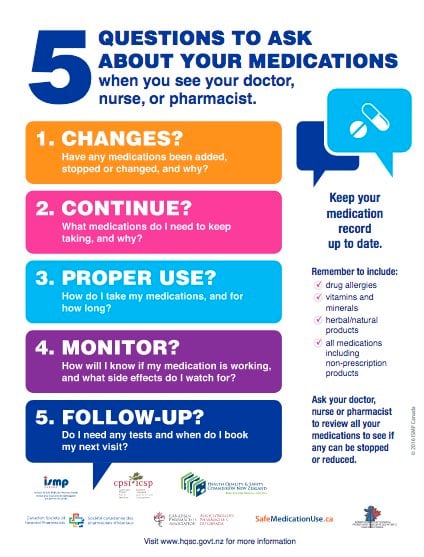
Health Quality and Safety Commission, NZ, 2019 English, te reo Māori
Free helplines



Credits: Healthify editorial team. Healthify is brought to you by Health Navigator Charitable Trust.
Reviewed by: Stephanie Yee, Pharmacist, Auckland
Last reviewed: