

You can now add Healthify as a preferred source on Google. Click here to see us when you search Google.
Decongestant nasal sprays
Key points about decongestant nasal sprays
- Decongestant nasal sprays are used for the temporary relief of a stuffy or blocked nose or sinus congestion.
- It’s important to limit the use of nasal spray to no more than 3 days in a row to avoid your nose becoming more blocked later. Using it longer can cause lasting damage to the inside of your nose.
- Find out how to use them safely and possible side effects.

Decongestant nasal sprays are medicines that help clear a blocked or stuffy nose. They work by narrowing the blood vessels inside your nose, which reduces swelling and makes it easier to breathe. They're sprayed directly into your nostrils, where they act quickly – usually within minutes. They're used for the short-term relief of stuffiness or congestion of your nostrils that may be caused by the common cold, sinusitis, allergies or hay fever.
Common examples of nasal decongestants
The main decongestants found in nasal sprays are oxymetazoline and xylometazoline. Common examples include:
- Sudafed® Nasal Spray
- Decongestant 12 Hour Nasal
- Demazin 12 Hour Nasal Decongestant
- Medco Blocked Nose Relief
- Mucinex Sinus
- Vicks Sinex Extrafresh
- Otrivin® Nasal Spray
- Codral Nasal Spray + Moisturiser
- Maxiclear Nasal Spray.
If you use them for longer, they can cause rebound congestion of your nose and a painful or bleeding nose.
NOTE: Other examples of nasal products that can ease congestion are saline nasal sprays or drops and ipratropium nasal spray. Read more about how to use nose drops and sprays.
Decongestant nasal sprays aren't suitable for everyone. It’s important to know when and how to use these medicines because they can be bought without a prescription. Ask the pharmacist if you're not sure.
They should NOT be used if:
- you have glaucoma (angle-closure)
- you are taking tranylcypromine (Parnate) or moclobemide (Aurorix) for depression
- you have had an operation to remove your pituitary gland (or part of it)
- you have problems with your nostrils such as inflammation and encrustation (dried mucous or crusts build up inside your nose)
- you have serious heart problems caused by blocked or narrowed blood vessels that supply blood to the heart (coronary artery disease).
They should be used with caution if you have the following conditions
Ask your doctor or pharmacist for advice if you have:
- problems with your heart or kidneys
- high blood pressure (hypertension)
- diabetes
- prostate problems.
Children
Nasal decongestants (containing oxymetazoline and xylometazoline) and other medicines for coughs and colds shouldn't be used for children under 2 years of age. Other medicines for coughs and colds should be avoided in children under 6 years of age. Read more about cough and cold medicines in children.
Like all medicines, nasal decongestants can cause side effects, although not everyone gets them. If you're concerned about any symptoms, talk to your healthcare provider. The following information offers some guidance but doesn't include all possible side effects.
Common side effects
Tell your healthcare provider if they bother you.
- Burning, and stinging of your nostrils.
- Sneezing.
- Headache.
Stop using the nasal spray if you get the following symptoms
- Signs of rebound nasal congestion, eg, painful nostrils, increased or worsening runny nose, redness in your nostrils or bleeding nose.
Read more about medicines and side effects and reporting a reaction you think might be a side effect.
How to use nasal sprays properly(external link) Safe Medication, American Society of Health-System Pharmacists
References
- Topical nasal decongestants(external link) New Zealand Formulary
- Cold season – managing without antibiotics(external link) BPAC, NZ, 2018
Brochures
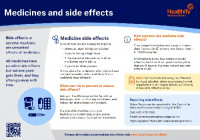
Medicines and side effects
Healthify He Puna Waiora, NZ, 2024
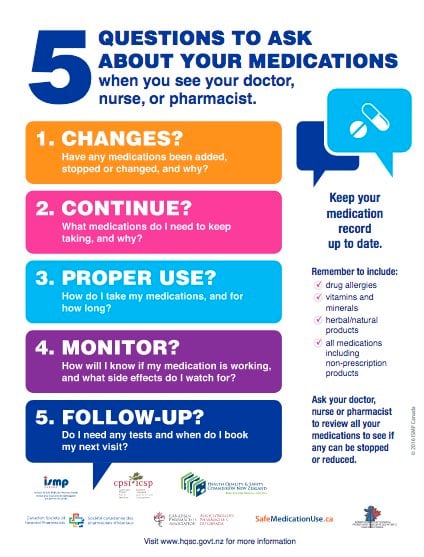
Health Quality and Safety Commission, NZ, 2019 English, te reo Māori
Free helplines


Credits: Sandra Ponen, Pharmacist, Healthify He Puna Waiora. Healthify is brought to you by Health Navigator Charitable Trust.
Reviewed by: Angela Lambie, Pharmacist, Auckland
Last reviewed: