

You can now add Healthify as a preferred source on Google. Click here to see us when you search Google.
Ganglion
Also known as ganglion cyst
Key points about ganglions
- A ganglion is a small, thick fluid-filled swelling, most often attached to a joint or tendon in your wrist, hands or top of your foot.
- A ganglion is usually harmless but can be removed if it causes pain or discomfort or restricts your joint movements.
- In most cases the cause of a ganglion is unknown, but it can sometimes be caused by an injury.
- No test is usually needed to diagnose a ganglion.
- Your healthcare provider will only recommend treatment if a ganglion causes symptoms.
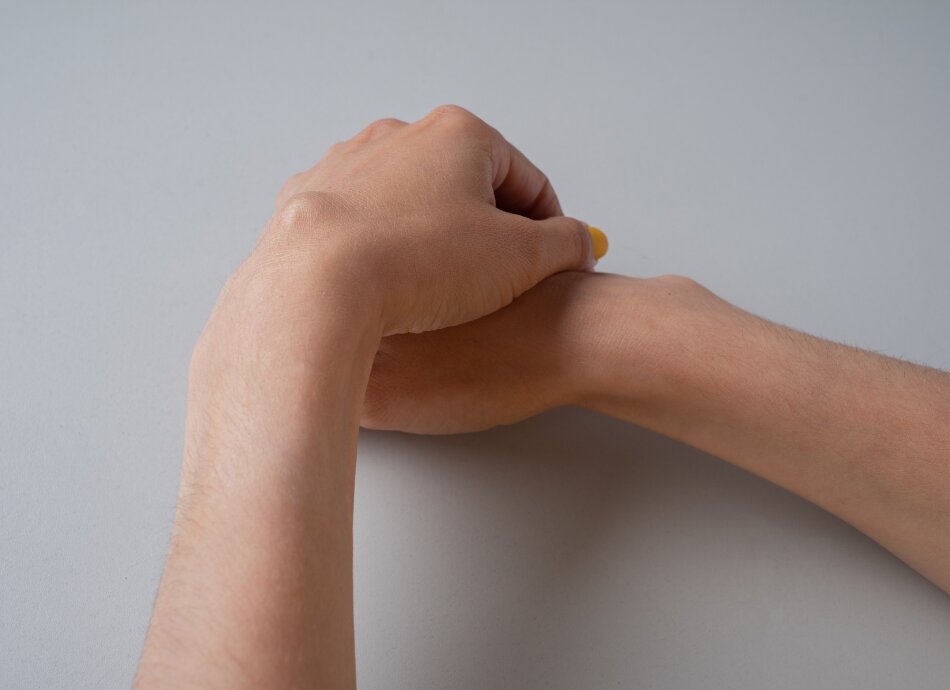
A ganglion (or ganglion cyst) is a small, thick fluid-filled lump under the skin. The consistency of the fluid is usually like jelly. Ganglions often occur next to a joint or tendon, and are commonly found on the hands, wrists, and top of the foot.
There are no known causes for ganglions and they’re usually harmless. If they do cause pain or discomfort your healthcare provider can recommend treatment.
Ganglions can resolve spontaneously by themselves but often come back again.
The exact cause of a ganglion is unclear. However, it seems to be due to leakage of fluid called synovial fluid from nearby irritated joints or tendons.
They may be associated with repetitive movements, injuries, arthritis or synovitis (swelling in the membrane that lines your joints).
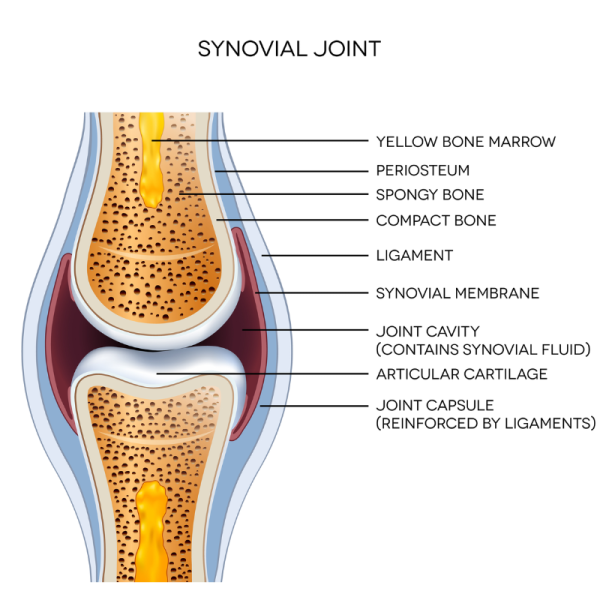
Image credit: Depositphotos
Women are more likely to get them than men.
Because the cause isn’t well understood, there’s no way of preventing them.
A ganglion appears as a round, smooth lump or swelling under your skin. The size can range from a pea (small) to a plum (large).
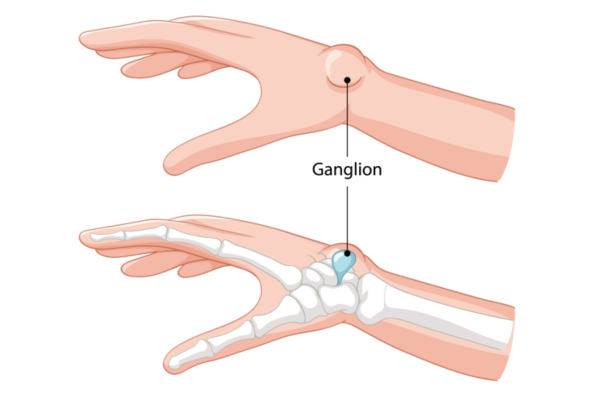
Image credit: Depositphotos
If it puts pressure on nearby structures, such as a nerve, it can cause pain and discomfort in the surrounding areas. It can also make it harder to move the joints near the ganglion.
See your healthcare provider for an urgent assessment if the ganglion:
- is hard
- has an irregular shape
- is painful
- is rapidly enlarging
- is firmly attached to underlying structures
- is limiting the range of movement of a joint.
Your healthcare provider will diagnose a ganglion by asking about your symptoms and examining the swelling. Tests aren’t usually needed unless your healthcare provider thinks the swelling may be due to other causes.
A ganglion doesn’t need to be treated unless it’s causing pain or limiting movement. Sometimes the swelling will resolve by itself. Using a splint or soft wrist support as well as avoiding weight-bearing on nearby joints can help with the discomfort. Your healthcare provider may also refer you for hand therapy if you have difficulty with daily tasks.
If a ganglion causes pain or discomfort and restricts movement of your joints, a ganglion can be removed. There are 2 ways they can be removed.
- Bursting the ganglion and drawing out the fluid with a needle (aspiration). Some steroid medication may be injected at the same time to delay it returning but there is no hard evidence that this works.
- Cutting out the ganglion by surgery (excision). This is typically the most successful cure and is a relatively minor operation. However, even with successful removal, up to 30% may recur (return).
The public health system doesn’t routinely offer surgery to everyone with a ganglion, especially if you want to remove it for cosmetic reasons only. Private referral to an orthopaedic or plastic surgeon for removal is also an option.
Your healthcare provider or surgeon will discuss the best treatment options for you. Options will depend on your medical and surgical history as well as your personal circumstances.
Up to 50% of ganglions will resolve on their own within 6 years.
If they’re surgically removed, they can return.
The following links provide further information about ganglion. Be aware that websites from other countries may have information that differs from Aotearoa New Zealand recommendations.
Ganglion cyst(external link) Health New Zealand | Te Whatu Ora, NZ
Ganglion cyst(external link) NHS, UK
Ganglion(external link) Patient Info, UK
Brochures
Surgery to remove a ganglion cyst(external link) NHS Foundation Trust, UK
References
- Ganglia(external link) 3D Community HealthPathways, NZ, 2021
- Ganglion cyst(external link) Health New Zealand | Te Whatu Ora, NZ
- Ganglion cyst(external link) NHS, UK, 2025
- Ganglion(external link) Patient Info, UK, 2025
- Surgery to remove a ganglion cyst(external link) NHS Foundation Trust, UK, 2024
- Ganglion cyst(external link) HealthDirect, Australia, 2024
- Ganglion(external link) GPnotebook, UK, 2021
Need help now?



Credits: Healthify editorial team. Healthify is brought to you by Health Navigator Charitable Trust.
Reviewed by: Dr Lottie Wilson, General Practitioner, Queenstown
Last reviewed: