Anaphylaxis

Key points about anaphylaxis

  • Anaphylaxis is the most severe form of allergic reaction.
  • It usually occurs quickly after exposure to something the person is allergic to, and is potentially life-threatening.
  • Life-threatening symptoms are those that affect your airways making it hard to breathe, or your circulation system, causing dizziness or collapse.
  • Someone experiencing anaphylaxis needs immediate treatment and medical attention.
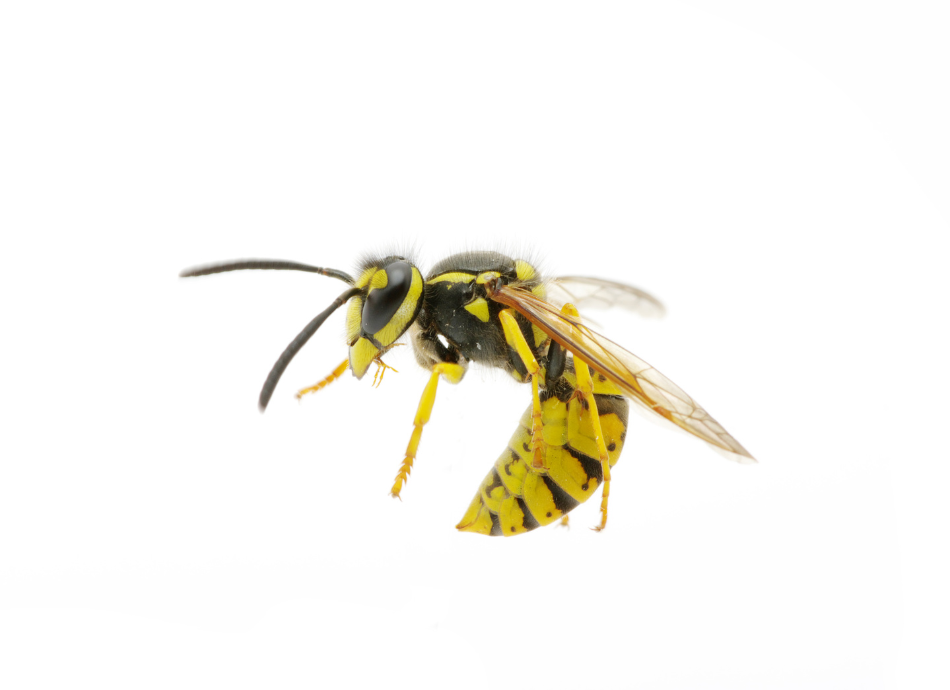
Wasp hovers about to sting

Anaphylaxis is the most severe form of allergic reaction. It usually happens quickly after exposure to something the person is allergic to, and is potentially life-threatening.

  • Someone experiencing anaphylaxis needs immediate treatment and medical attention.
  • Life-threatening symptoms are those that affect your airways making it hard to breathe, or your circulation system, causing dizziness or collapse.
  • Signs to watch for are:
    • difficult or noisy breathing
    • swelling of the tongue or lips
    • swelling or tightness in the throat
    • difficulty talking or a hoarse voice
    • wheeze or persistent cough
    • persistent dizziness or collapse
    • turning pale and floppy (especially in young children)
    • abdominal pain or diarrhoea.


Treat anaphylaxis immediately by following the steps below.

If you or someone you care for experiences the symptoms above, give adrenaline if available and call 111 for an ambulance:

  1. Lie the person down – they should NOT stand or walk. If they have trouble breathing when lying down, let them sit up.
  2. Remove any trigger if it's still present (eg, a bee sting).
  3. Give adrenaline using an auto-injector (eg, EpiPen®) if the person has one. Make sure you know how to use it correctly before you administer it* (or help the person to administer it themselves).
  4. Call 111 for an ambulance and stay with them until the ambulance arrives.

Notes:

  • If no adrenaline is available, follow the other 3 steps
  • Don’t let them get up, even if they feel better after having adrenaline, wait for the ambulance.

*The instructions will be on the side of the auto-injector, and the person may have an anaphylaxis action plan with the auto-injector. 

Anaphylaxis is a serious whole body allergic response that happens after exposure to an allergen. It happens when your immune system overreacts to the trigger. It can make your airways tighten, making it hard to breathe, or affect the circulation of your blood. Anaphylaxis can be life-threatening.

An allergen can be anything, but common triggers of anaphylaxis include:

  • food
  • insect venom
  • medicines.

It may take a while to find the cause.


Food

  • Milk, eggs, peanuts, tree nuts, sesame, fish, shellfish, wheat and soy are the most common food triggers, and cause 90% of allergic reactions. However, any food can trigger anaphylaxis.
  • In some cases, mild or moderate allergic symptoms can happen before the above symptoms, such as:
    • swelling of your face, lips or eyes
    • hives, welts or body redness
    • tingling in your mouth
    • tummy pain or vomiting (being sick).
  • Having asthma can also increase the risk of a severe reaction if you accidentally eat even a small amount of the food you are allergic to.


Insect venom

Bee and wasp stings are the most common causes of anaphylaxis from insect stings in Aotearoa New Zealand.


Medicines

Both over-the-counter and prescribed medicines, such as antibiotics or painkillers, can cause life-threatening allergic reactions. You can also have anaphylactic reactions to herbal or alternative medicines. Anaesthetics and contrast agents used in imaging tests can also cause anaphylaxis.


Other causes

Other triggers such as latex or exercise-induced anaphylaxis are less common. Occasionally the trigger can't be identified.  

Anaphylaxis may be diagnosed following a severe reaction you needed medical treatment for.

Your healthcare provider will ask you questions related to your symptoms, examine you and do some tests to find out your triggers. They will also rule out other conditions that can be similar to anaphylaxis, such as fainting, severe asthma attacks or panic attacks

Tests that may be done include:

  • a blood test to look for an antibody called IgE or an enzyme called mast cell tryptase
  • skin prick testing to find out triggers.

You may also be considered at risk of anaphylaxis because of a diagnosed allergy, such as a food allergy, even if your previous reactions were only mild or moderate.

If you're diagnosed to be at risk of anaphylaxis, your healthcare provider will give you an anaphylaxis action plan(external link) that outlines the steps to take in case of an emergency. They'll also prescribe you an adrenaline auto-injector (eg, an EpiPen®). See below for more information about auto-injectors

Anaphylaxis is a preventable and treatable event. Knowing the trigger(s) is the first step for prevention. Everyone at risk needs to know how to avoid food allergens and/or other triggers. 

Because accidental exposure is possible, anyone at risk, including children, should be able to recognise the symptoms of anaphylaxis. They should also be aware of the anaphylaxis action plan, including giving adrenaline when needed. 


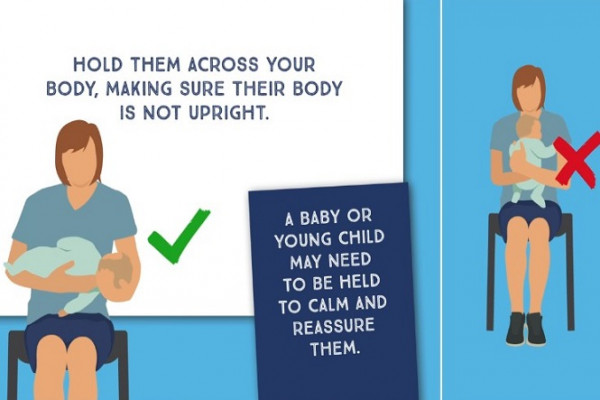
How to position a child or an adult having a severe allergic reaction (anaphylaxis)

Please click on the image below and scroll down on the new page to play the animation.
(external link)(external link)

(Australasian Society of Clinical Immunology and Allergy)


If you experience anaphylaxis for the first time, after following the immediate steps and receiving emergency medical care, your treatment plan may include:

  • seeing your usual healthcare provider or a specialist to find out your triggers 
  • working out an anaphylaxis action plan(external link) with your healthcare provider
  • attending follow-ups if required by your healthcare provider
  • leaning how to avoid triggers and use an adrenaline auto-injector (if you're prescribed one)
  • discussing an asthma management plan with your healthcare provider if you or your child also has asthma – read more about asthma in adults and asthma in children

The Australasian Society of Clinical Immunology and Allergy (ASCIA) provides free online training on anaphylaxis for patients, families and the community.(external link)


Adrenaline is the first-line treatment for anaphylaxis

Adrenaline is the treatment for anaphylaxis. Adrenaline works by quickly reversing the effects of anaphylaxis.

Adrenaline can be easily given using an auto-injector such as an EpiPen® (the only one prescribed in Aotearoa New Zealand). The auto-injector injects a single, pre-measured dose of adrenaline into your muscle. If you're at risk of anaphylaxis, then your healthcare provider might ask you to carry an auto-injector with you. Deaths from anaphylaxis are more common away from home and when adrenaline isn't used or is delayed. 

If you or your child are prescribed an adrenaline auto-injector, it is important to learn and practise how to use it. You can register your EpiPen® with My EpiPen(external link) and receive a free trainer pen.


Don't use antihistamines

Don’t use antihistamines to treat anaphylaxis – giving adrenaline quickly is the only treatment for anaphylaxis. Anaphylaxis is a potentially life-threatening, severe allergic reaction and should always be treated as a medical emergency.

Once you've had an anaphylactic reaction you'll be referred to a specialist to help you work out your triggers. This may involve allergy testing or a food/drug challenge.

Knowing your triggers for anaphylaxis is essential. In many cases avoidance is the only way to prevent anaphylaxis. Your healthcare providers will help you work out ways to reduce the risk of anaphylaxis. This usually includes writing up an emergency anaphylaxis action plan. You'll need to be assessed regularly to check if the allergy is still present and to make sure your prevention plan is working for you.

If you have an adrenaline auto-injector, always carry it with you and use it at the first sign of anaphylaxis to help stop the reaction from getting worse. 

It can be frightening if you have anaphylaxis. Talk through your feelings with your whānau or the health professionals taking care of you. 

Below are some support services and information for people affected by anaphylaxis and their family.

Allergy NZ(external link) Visit their website or phone 0800 34 0800 for information and support. 
EpiPen(external link) An online educational resource where you can access additional information about anaphylaxis and EpiPen®.

An action plan for anaphylaxis provides a course of action to follow in the event of an allergic reaction. People who are likely to have an anaphylactic reaction (and their families or caregivers) should be able to recognise the symptoms and know in advance what to do in an emergency.

A copy of your anaphylaxis action plan, filled in and signed by your healthcare provider, should be kept with your EpiPen® and taken with you wherever you go. A copy should be given to your child’s early childhood centre or school, or kept at your workplace.

Anaphylaxis action plans are produced by the Australasian Society of Clinical Immunology and Allergy (ASCIA) and are updated regularly. Your healthcare provider should review these regularly with you. Go through these action plans with your healthcare providers and ask any questions if you're not sure.​


Action plans


Action plan for EpiPen
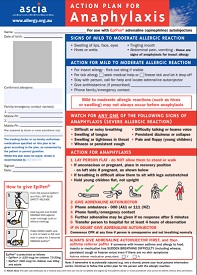
ASCIA action plan for anaphylaxis (red) 2025 EpiPen®(external link) – for people with allergies who have been prescribed EpiPen® adrenaline auto-injectors. 

Action plan poster for EpiPen general use
ASCIA first aid plan for anaphylaxis (orange) 2025 EpiPen®(external link) – for use as a poster or to be stored with general use EpiPen® adrenaline auto-injectors. 

General anaphylaxis action plan 
ASCIA action plan for anaphylaxis (red) 2025 general(external link) – for people with allergies who've been prescribed any brand of adrenaline auto-injectors. 

Action plan poster for general anaphylaxis
ASCIA first aid plan for anaphylaxis (orange) 2025 general(external link) – for use as a poster or stored with general use adrenaline auto-injectors. 

Action plan for allergic reactions
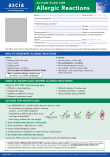
ASCIA action plan for allergic reactions (green) 2025(external link) – for people with allergies who haven't been prescribed adrenaline auto-injectors. 


First aid treatment for anaphylaxis

Anaphylaxis is a severe allergic reaction and is potentially life-threatening. It should always be treated as a medical emergency, needing immediate treatment.

Here is some information in:


For more information, visit ASCIA action plans and first aid plans for anaphylaxis(external link).

The following links provide further information about anaphylaxis. Be aware that websites from other countries may have information that differs from New Zealand recommendations.    

Anaphylaxis(external link) Allergy NZ
Anaphylaxis(external link) Australasian Society of Clinical Immunology and Allergy (ASCIA)
My EpiPen(external link) NZ
What is anaphylaxis?(external link) Allergy and Anaphylaxis Australia

Brochures

Action plan for anaphylaxis – for use with EpiPen adrenaline autoinjectors(external link) ASCIA, Australia and NZ, 2026
Anaphylaxis information for patients, consumers and carers(external link) ASCIA, available in Arabic(external link), Chinese(external link), Hindi(external link), Tagalog(external link), Dari(external link), Chinese simplified(external link)
Action plan for allergic reactions(external link) ASCIA, Australia and NZ, 2026
Travel plan – for people at risk of anaphylaxis(external link) ASCIA, Australia and NZ, 2026


References

  1. Anaphylaxis(external link) Auckland Regional HealthPathways, NZ, updated 2025
  2. Anaphylaxis(external link) Starship Clinical Guidelines, NZ, 2021
  3. Acute management of anaphylaxis(external link) ASCIA Guidelines, Australia and NZ, updated 2024

Anaphylaxis – a guide to management(external link) BMJ Learning, UK, updated 2023


Clinical resources

Anaphylaxis clinical pathway(external link) Australian and New Zealand Committee on Resuscitation, 2024
Treatment of anaphylaxis(external link) Auckland DHB, NZ, 2021
Acute management of anaphylaxis(external link) ASCIA Guidelines, Australia and NZ, 2024
Anaphylaxis resources for health professionals(external link) ASCIA, Australia and NZ, 2026
Paediatric Allergy Clinical Network(external link) The Paediatric Society of New Zealand


Continuing professional development

eLearning

Anaphylaxis e-learning course(external link) ASCIA, Australia and New Zealand

What are the signs of anaphylaxis?

Signs of anaphylaxis include those that affect your airway making it difficult to breathe, or your circulation system leading to collapse.

This may include difficult or noisy breathing, swelling of your tongue and lips, swelling or tightness in your throat, difficulty talking or a hoarse voice, wheeze or persistent cough, persistent dizziness or collapse, being pale and floppy (especially young children) and abdominal pain or diarrhoea (runny poo).

How long does it take to get anaphylaxis after a bee sting?

If someone is going to have a severe allergic reaction to a bee sting, anaphylaxis will usually occur within 5 to 30 minutes after being stung.

How does anaphylaxis occur?

When an allergic reaction happens in your body, your immune system releases a chemical called histamine – this causes tissues to swell and leak. With a severe reaction, or anaphylaxis, the swelling in your airways or circulatory system causes breathing problems and/or blood pressure to drop which can be life-threatening.

Allergic reaction versus anaphylactic reaction

Most allergic reactions are mild to moderate and may result in swelling of your face, a runny nose or itchy hives. A severe reaction will also affect your airways and circulatory system – this is known as anaphylaxis. When someone can’t breathe or they’re at risk of collapsing it’s an anaphylactic reaction and they’ll need emergency medical attention.

Brochures

action plan epipen 2021

Action plan for anaphylaxis – for use with EpiPen adrenaline autoinjectors

Australasian Society of Clinical Immunology and Allergy, Australia, 2026

Action plan for allergic reactions

Australasian Society of Clinical Immunology & Allergy, Australia, 2026

Need help now?

Credits: Healthify editorial team. Healthify is brought to you by Health Navigator Charitable Trust.

Reviewed by: Dr Elizabeth Ryan Harper, Urgent Care Doctor, Dunedin

Last reviewed: