

You can now add Healthify as a preferred source on Google. Click here to see us when you search Google.
Drinks for kids
Key points about drinks for kids
- Children need to drink plenty of water to keep their bodies working.
- They need to drink more water when they are exercising or if it’s a hot day.
- Water is the best drink and it's cheap and easy to get. Plain milk is also a good option as it provides nutrients such as calcium for growing bodies.
- Sugary drinks such as fizzy drinks, juice and cordial contain high amounts of added sugar and should be limited to protect your tamariki’s teeth and to support their health.
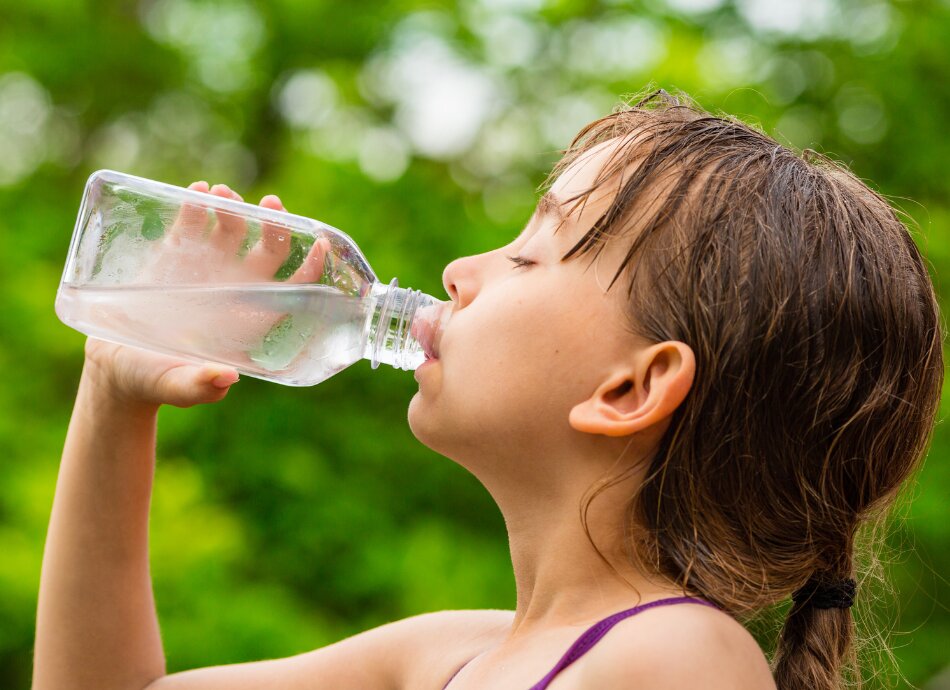
- Children need plenty of water and lots of small drinks through the day to keep their bodies working. They need to drink more when they are active and when it’s hot.
- Keep offering drinks, as they may forget to drink when they're active and become dehydrated (lose too much water), which can be serious for young children. Read more about dehydration in children.
- Keep a jug of cold water in the fridge and water bottles topped up with cold water.
- Sugary drinks contribute over a quarter of the total dietary sugar consumed by children in Aotearoa New Zealand and should be limited (read more about which drinks to limit below).

Image credit: Canva
- Water is best plus it’s cheap and you can get it anywhere. Always have a bottle or jug of cold water in your fridge. If your child doesn't want to drink water, add flavour with sliced orange, lemon or herbs. On the sports field, water is the best choice for active kids.
- Plain milk is a great choice for children since it provides protein, energy, vitamins and minerals. Offer calcium fortified plant-based alternatives to children who can't drink milk because of an allergy or intolerance.
- However if young children drink too much milk, they may then feel full and not eat enough food to get the nutrients they need to grow well:
- Toddlers (1 to 2 years): If they're not breastfed, offer them up to 350 mL of plain, whole-fat cow's milk (dark blue lid) a day in a cup.
- Children (2+ years): You can continue to offer whole-fat milk or can begin to slowly introduce low-fat (yellow or green lid) or reduced-fat (light blue lid) milks. Limit milk to 2 cups (500 mL) each day – especially for younger children.
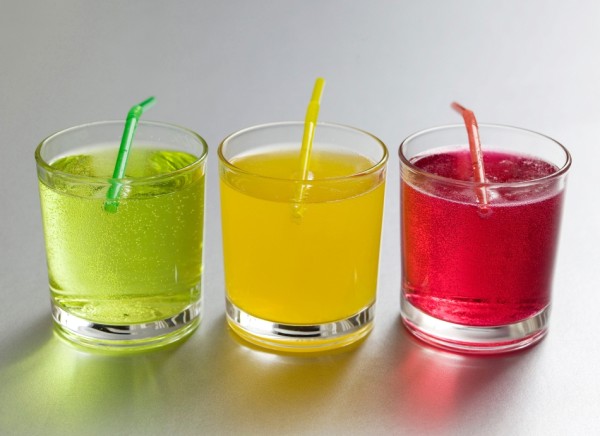
Image credit: Canva
- Limit fruit juice – although it sounds healthy, fruit juice contains a similar amount of sugar per 100 mL as a fizzy drink and causes tooth decay. Don't keep fruit juice, cordial and powdered fruit drinks in the house and if you give them to children occasionally, dilute them with water first.
- Fizzy drinks, sports drinks and frozen slushie drinks are high in sugar and sometimes also contain caffeine. Keep them out of your house. They should be ‘occasional’ drinks (less than once a week).
- Flavoured milks may sound healthy, but they contain added sugar and plain milk is best. Keep flavoured milk for an occasional treat.
- Don’t offer tea or coffee to children. They contain caffeine which may affect children’s sleep and lead to dehydration. Other substances found in tea and coffee can lower the level of iron children get from food.
- Never give your children energy drinks, energy shots or drinks with guarana. These have a lot of caffeine and most are extremely high in sugar.
Read more about healthy eating for children and water.
Brochures
Rethink your child's drink(external link) Health New Zealand | Te Whatu Ora, NZ also available in te reo Māori(external link)
Water is the best forget the rest(external link) Heart Foundation, NZ also available in Samoan(external link), Tongan(external link), Cook Islands Māori(external link), Tuvaluan(external link), Niuean(external link), Kiribati(external link)
Which milk is best for me?(external link) Heart Foundation, NZ also available in te reo Māori(external link), Samoan(external link), Tongan(external link), Chinese(external link), Cook Islands Māori(external link), Kiribati(external link), Niuean(external link), Tuvaluan(external link)
Eating for healthy babies and toddlers(external link) HealthEd, NZ, 2024
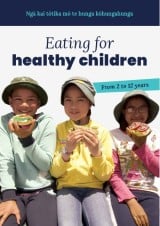
Eating for healthy children aged 2–12 years(external link) HealthEd, NZ, 2023
References
- Diet(external link) New Zealand Dental Association
- Eating for healthy children aged 2–12 years(external link) HealthEd, NZ, 2023
- Eating for healthy babies and toddlers(external link) HealthEd, NZ, 2024
- Food and nutrition guidelines for healthy children and young people (aged 2–18 years) – a background paper(external link) Ministry of Health, NZ, revised 2015
- Healthy eating guidelines for New Zealand babies and toddlers (aged 0–2 years old)(external link) Ministry of Health, NZ, 2021
Brochures
Water is the best forget the rest
Heart Foundation, NZ Samoan, Tongan, Cook Islands Māori, Tuvaluan, Niuean, Kiribati
Which milk is best for me?
Heart Foundation, NZ te reo Māori, Samoan, Tongan, Chinese, Cook Islands Māori, Kiribati, Niuean, Tuvaluan
Need help now?



Credits: Healthify editorial team. Healthify is brought to you by Health Navigator Charitable Trust.
Reviewed by: Lily Henderson, Registered Dietitian
Last reviewed: