

You can now add Healthify as a preferred source on Google. Click here to see us when you search Google.
Asbestos in children's coloured sand products
Warning that a range of coloured sand products may contain asbestos
Key points about asbestos in children's coloured sand products
- The Ministry for Business, Innovation and Employment (MBIE) has advised that a range of children's coloured sand products may contain asbestos.
- Exposure to asbestos over time can result in serious illness.
- These products have been imported into Aotearoa New Zealand and should not be used.
- They need to be disposed of carefully.
- There's no need to get urgent medical help if you or your child have been in contact with these products, but if you're concerned contact your healthcare provider or Healthline 0800 611 116.
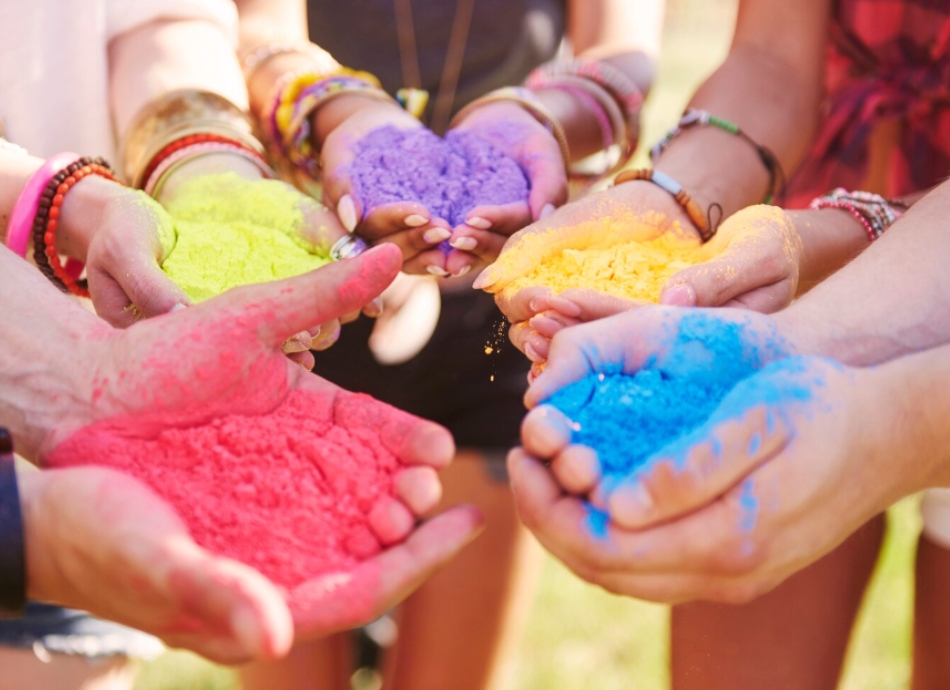
The Ministry for Business, Innovation and Employment (MBIE) has advised that 6 coloured sand products sold in Aotearoa New Zealand may contain asbestos. Asbestos is a mineral that used to be used in building materials. Small fibres can be breathed in or eaten and, over time, this can cause serious damage to your lungs and digestive system (mesothelioma).
Products
- Rainbow Sand from Educational Colours.
- Coloured Sand from Creatistics.
- Kmart NZ’s 14-piece Sand Castle Building Set (Batch no: 42975724).
- Kmart NZ’s Blue Magic Sand (Batch no: 42304364), Green Magic Sand (Batch no: 42919650) and Pink Magic Sand (Batch no: 42304371).
Video: Asbestos in sand – health advice for households
If you or your child has used one of these products (at home or at a play centre) there’s no need to get urgent medical help. But if you’re worried or have questions, contact your healthcare provider or call Healthline 0800 611 116.
You do need to clean it up and get rid of it carefully though so read the recommendations below.
If you have one of these products at home, stop using it and follow the instructions below.
If it’s still in its original container:
- Put the sand container in a thick plastic bag and seal it with tape.
- Put that bag inside another thick plastic bag, seal it with tape and label it ‘asbestos-contaminated material’.
- It can’t be put into your household rubbish and needs to go into an appropriate landfill site.
- Contact your local council to find out where to take it.
If it’s not in its original container:
- Wear a P2 or N95 mask over your mouth and nose.
- Use disposable gloves.
- Avoid getting the sand on your clothes – if you do they should be thrown out, not washed and worn again.
- Lightly wet the sand to damp down any dust.
- Transfer the sand into a sealable container or thick plastic bag.
- Put the bag (and your mask, gloves and any contaminated cloths or clothing) into another thick plastic bag, seal it with tape and label it ‘asbestos-contaminated material’.
- Contact your local council for advice about how to dispose of it.
Cleaning up
- Clean any surfaces around the sand products with a damp cloth to remove any remaining particles.
- Wash toys or play equipment that’s been in contact with the sand – if it can’t be cleaned thoroughly, dispose of it with the other contaminated material.
- If carpets and furnishings have had sand on them, use a damp cloth to wipe them down. Don’t use a vacuum cleaner.
- If a big clean up job is needed, consider contacting a licensed asbestos contractor.
Wash your hands thoroughly after sealing up all protective gear and cleaning cloths as described above.
Helping customers identify recalled products(external link) Product Safety. NZ
References
- Asbestos in sand(external link) Health New Zealand | Te Whatu Ora, NZ, 2025
- Asbestos in coloured sand(external link) Ministry of Education, NZ, 2025
Need help now?
Credits: Healthify editorial team. Healthify is brought to you by Health Navigator Charitable Trust.
Reviewed by: Dr Janine Bycroft, General Practitioner, Auckland
Last reviewed: