

You can now add Healthify as a preferred source on Google. Click here to see us when you search Google.
Nystatin drops, tablets and capsules
Key points about nystatin
- Nystatin is used to treat thrush in your mouth and throat or gut.
- Nystatin is also called Nilstat.
- Find out how to use nystatin safely and possible side effects.

Nystatin drops, tablets and capsules are used to treat thrush (fungal infection) in your mouth and throat or gut. Anyone can get thrush but it's more common in babies, older people with dentures and people with weakened immune systems. Read more about thrush in your mouth and throat.
Nystatin kills the fungus that causes thrush and can also be used to help stop infections from coming back.
In Aotearoa New Zealand nystatin is available as drops that you swirl in your mouth and then swallow. It also comes as tablets or capsules that you swallow. The tablets and capsules are mainly used for thrush in your gut.
Note: There is also a nystatin cream that is applied to your skin for ringworm, a fungal infection that can appear almost anywhere on your body, arms, legs, feet, groin and scalp. Do not use nystatin cream in your mouth.
- Always use nystatin exactly as your healthcare provider or pharmacist has told you.
- Drops: The usual dose of nystatin drops is 1 millilitre (mL) 4 times a day, usually for 7 days.
- Tablets or capsules: 1 or 2 tablets or capsules 3 times a day.
- You will need to continue using nystatin for 2 days (48 hours) after the thrush has cleared. This will help to clear up your infection completely.
- Check with your healthcare provider or pharmacist if you're not sure how long to use it for.
Drops
- Measure the dose: Shake the medicine well. Measure the right amount using the measuring syringe provided. Don't use a kitchen teaspoon as it won't measure the right amount. After you've used it, wash the syringe in warm water and allow it to dry (don't use boiling water).
- Hold the drops in your mouth before swallowing: Try not to swallow it too quickly. Hold the drops in your mouth or swish them around your mouth for as long as possible before swallowing.
- Timing: Take nystatin drops 4 times a day, after food, or after a feed for babies. It's important not to eat or drink for 30 minutes after having the drops to prevent the medicine from being washed away too soon. Try to space the doses evenly throughout the day, such as after meals and at bedtime.
- Missed dose: If you forget to take a dose, take it as soon as you remember, unless it is close to the time you would normally take your next dose. Don't take a double dose to make up for a forgotten dose.
Capsules or tablets
- Take the capsules or tablets 3 times a day. Try to space the doses evenly throughout the day, such as in the morning, midday or afternoon and at bedtime.
- Swallow them whole with a glass of water – don't bite, crush or chew them.
- You can take them with or without food.
Side effects with nystatin are very rare. Often side effects improve as your body gets used to the new medicine. Nystatin can cause nausea (feeling sick), vomiting (being sick), stomach upset or diarrhoea (runny poo). This usually settles after a few days but tell your healthcare provider if it bothers you.
Tell your healthcare provider immediately or phone Healthline 0800 611 116 if you develop sign and symptoms of an allergic reaction, such as skin rash, itching, swelling of your lips, face and mouth, or difficulty breathing.
Read more about medicines and side effects and reporting a reaction you think might be a side effect.
Nilstat(external link) Medsafe Consumer Information Sheet, NZ
Brochures
5 questions to ask about your medications(external link) Health Quality and Safety Commission, NZ, 2019 English(external link), te reo Māori(external link)
Medicines and side effects [PDF, 91 KB] Healthify He Puna Waiora, NZ, 2024
References
- Nystatin (oromucosal)(external link) NZ Formulary
- Common issues in paediatric oral health(external link) BPAC, NZ, 2010
Brochures
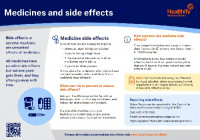
Medicines and side effects
Healthify He Puna Waiora, NZ, 2024
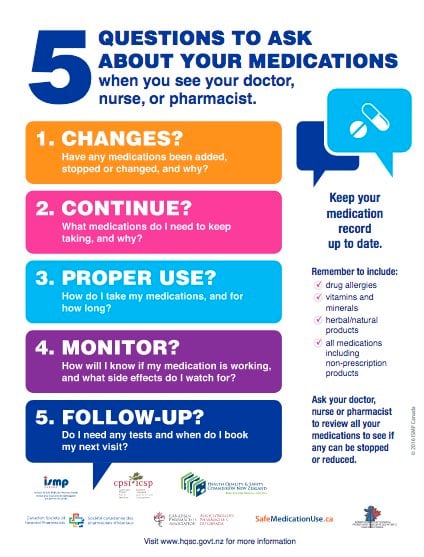
Health Quality and Safety Commission, NZ, 2019 English, te reo Māori
Free helplines
Credits: Sandra Ponen, Pharmacist, Healthify He Puna Waiora. Healthify is brought to you by Health Navigator Charitable Trust.
Reviewed by: Angela Lambie, Pharmacist, Auckland
Last reviewed: