

You can now add Healthify as a preferred source on Google. Click here to see us when you search Google.
Eye drops for glaucoma
Key points about eye drops for glaucoma
- Although glaucoma can't be cured, it can usually be stopped from getting worse.
- Common treatments include medicated eye drops which reduce the pressure in your eye, either by helping the fluid drain from the eye, or by reducing the amount of fluid produced.
- Find out about how to use eye drops for glaucoma and possible side effects.
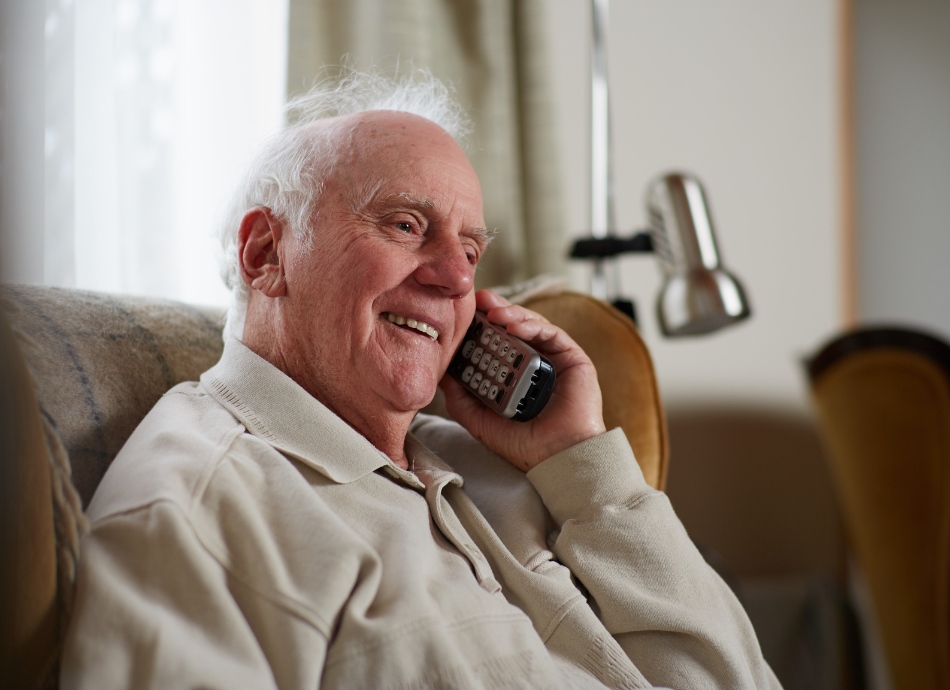
There are many different types of eye drops used to treat glaucoma.
Some drops work better in some people than in others. The possible side effects vary between the different types of drops. So, if the first doesn't work so well, or doesn't suit, another may work better. For some people, multiple combination of eye drops may be needed to reduce the eye pressure.
Prostaglandin analogues
These are the most commonly used eye drops for glaucoma and help increase drainage of fluid out of your eye. Examples include:
- bimatoprost (Lumigan®)
- latanoprost
- travoprost (Travatan®).
Possible side effects include:
- changes in eye colour
- increased growth and thickness of eyelashes
- sunken appearance to eyes
- red eyes and irritation.
Note: If the drops get onto your skin, wash off because it can change pigmentation (colour) of your skin.
Beta-blockers
These eye drops reduce the production of fluid in the eye. Examples include:
- timolol
- dorzolamide + timolol (Dortimopt®)
- latanoprost + timolol (Arrow Lattim®)
- brimonidine + timolol (Combigan®).
These eye drops aren't suitable if you have breathing problems such as asthma or COPD.
Possible side effects include:
- shortness of breath, reduced exercise tolerance
- vivid dreams
- impotence
- irritated eyes.
Other eye drops
Examples of other eye drops include:
- brimonidine (Arrow- Brimonidine®)
- brinzolamide (Azopt®)
- pilocarpine (Isopto Carpine®).
Possible side effects include:
- dry mouth and dry eyes
- red eye
- stinging sensation to the eye
- metallic taste
- headache.
Video: Glaucoma and eye drops
Glaucoma specialist, Dr Sonya Bennett provides an understanding of how lowering the pressure works, talks broadly about eye drops in a simplified way and discusses the challenges with eye drop treatment for both the patient and the eye specialist.
(Glaucoma, NZ, 2019)
Use your eye drops every day
To reduce the effects of glaucoma, it’s important to use your eye drops every day, in the way your healthcare provider has told you to. The effect of the eye drops wears off so if you don't use your eye drops on time, your eye pressure will rise even though you can't feel it. If you forget to use your drops, apply them as soon as you remember, but if it's closer to your next dose then just apply your dose as usual.
- If you're using more than one type of eye drops: If using 2 or more types of drops at the same time, wait 5 minutes before putting the next drop in your eye to prevent dilution of the first medicine.
- If you're using eye drops and eye ointment in the same eye: Use the eye drops first, wait 5 minutes before applying the ointment. This gives the drops time to work and prevents the ointment from washing them away. Ointment is thick and stays on the eye longer, so it works best after applying the drops.
- If you have contact lenses: If you're using contact lenses, remove them before using glaucoma eye drops and do not replace them until 15 minutes after using the drops.
How to use eye drops
When using eye drops, press the inside corner of your eyelids immediately after putting in the drop, blot off any excess with a tissue and keep your eye closed for 2 to 3 minutes. This helps to stop the drops from going down the tear duct and being absorbed into the body. Read more about how to use eye drops.
- If you're having trouble getting the drop into your eye, lie down flat, face up, with your eye closed. Place the drop outside of the lid in the corner of your eye near your nose. As you open your eye, the drop will roll in.
- If you're not sure if the drop actually got into your eye, put in another. The eyelid can hold only about one drop, so any excess will run out of the eye.
- If you're having trouble holding onto the bottle, try wrapping a paper towel around the bottle to make it wider or ask your pharmacist about an eye drop dispenser. This is a plastic device for the eye drop bottle. It makes holding the drop bottle easier and helps you to guide the eye drop into your eye.
- If you can’t put the drops in yourself, ask a family member or friend to help you. Let your healthcare provider know if it's too difficult.
Keep your eye drops clean
It’s important to keep your eye drops clean because the eyes are sensitive and can easily get infected. Also, contaminated drops may not work properly. To keep your eye drops clean:
- Don’t allow the dropper tip of the bottle to touch your eye.
- Replace the cap of the eye drops immediately after use.
- Always check the expiry date before using eye drops and throw them away if they’re expired. Most glaucoma eye drops expire 4 weeks after opening. Make a note of when you opened the bottle and make sure you have enough supply before the drops expire.
- Don’t share your eye drops with others even if they have the same condition as you.
If you're using contact lenses, remove them before using the eye drops and don't replace them until 15 minutes after using the drops.
Video: Putting in your eye drops
(Moorfields Eye Hospital NHS Foundation Trust, 2014)
Like all medicines, eye drops can cause side effects, but not everyone gets them.
Eye drops are absorbed both by the surface of your eye and into your bloodstream. This means they can sometimes cause side effects in other parts of your body. Usually, these side effects lessen after a few weeks. However, you should discuss any side effects with your healthcare provider. If side effects are persistent or troublesome, your healthcare provider can prescribe an alternative medicine.
Note: Some people may react to preservatives in eye drops. Currently, there are no funded preservative-free glaucoma drops available in New Zealand.
Glaucoma and eye drops – Dr Sonya Bennett(external link) Glaucoma NZ
Bimatoprost 0.03% eye drops - Lumigan brand change(external link) Pharmac, NZ
References
- Glaucoma treatments(external link) Glaucoma NZ
- Treatment of glaucoma(external link) NZ Formulary
- Glaucoma(external link) Health New Zealand | Te Whatu Ora
Brochures
Medicines and side effects
Healthify He Puna Waiora, NZ, 2024
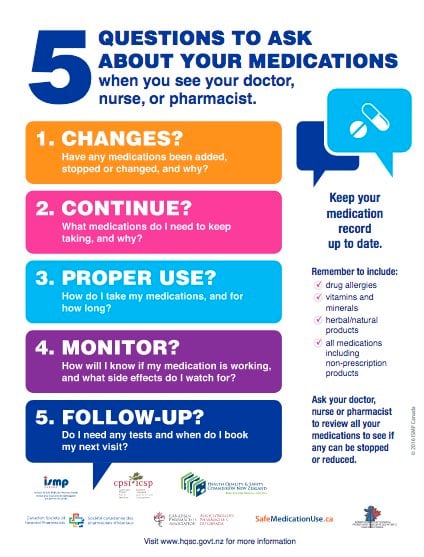
Health Quality and Safety Commission, NZ, 2019 English, te reo Māori
Free helplines

Credits: Healthify He Puna Waiora editorial team. Healthify is brought to you by Health Navigator Charitable Trust.
Reviewed by: Angela Lambie, Pharmacist, Auckland
Last reviewed: