

If you're a frequent visitor to Healthify, why not share our site with a friend? Don't forget you can also browse Healthify without using your phone data.
Oral thrush
Candidiasis, or thrush in the gastrointestinal tract (mouth, throat and gut)
Key points about oral thrush
- Oral thrush is an infection in your mouth usually caused by a fungus called candida (yeast).
- Most people have candida in their mouths without any problem. But if it grows out of control it can cause an infection called thrush.
- Anyone can get oral thrush but it's more common in babies, older people with dentures and people with weakened immune systems.
- Common symptoms include white-coloured patches in your mouth, and pain and redness in your mouth or throat causing difficulty eating and drinking.
- Oral thrush can usually be treated with antifungal medicine or mouthwash.

Oral thrush is an infection in your mouth caused by a fungus called candida (yeast). Sometimes oral thrush also affects your throat and oesophagus (the tube that carries food to your stomach).
It's called 'thrush' because the white spots resemble the breast of the thrush bird.
50% of healthy people have candida in their mouths and on their skin without any problem, but if it grows out of control it can cause thrush. The medical name for thrush is candidiasis. Anyone can get oral thrush but it's more common in babies, older people with dentures and people with weakened immune systems.
Common symptoms include white-coloured patches in your mouth, and pain and redness in your mouth or throat causing difficulty eating and drinking.
Oral thrush can usually be treated with antifungal medicine. It’s not usually contagious.
Candida can cause infections in other parts of your body. Read more about thrush in men, vaginal thrush and nappy rash (which can be caused by candida infection).
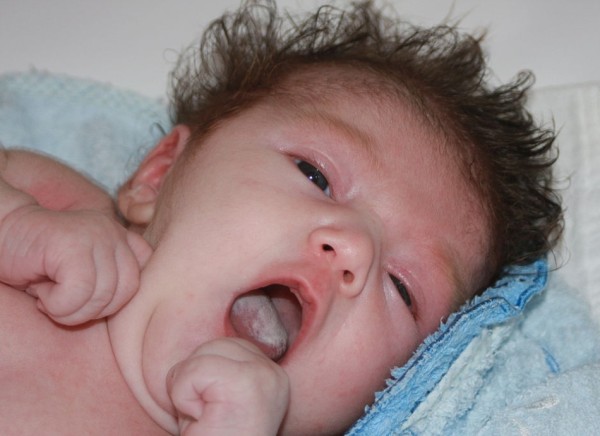
Image credit: Helso Halldorson via Wikimedia Commons(external link)
.jpg)
Candida is a yeast (a type of fungus) that usually lives in your mouth without causing any problems. The most common type of candida is called Candida albicans although other members of candida species can also cause oral thrush.
Things that make you more likely to get oral thrush include:
- being a baby or older adult
- iron deficiency
- vitamin B deficiency
- badly-fitting or poorly cleaned dentures
- smoking
- inhaled corticosteroids, eg, medicines for asthma or COPD
- using antibiotics for long periods of time (especially broad spectrum antibiotics)
- recreational drug use
- diabetes
- dry mouth
- HIV/AIDS
- cancer
- having chemotherapy or radiotherapy.
Oral thrush is usually quite easy to identify. Symptoms may include:
- a white or cream-coloured patch on your tongue, the inside of your cheeks, or the roof of your mouth
- redness or bleeding in your mouth, tongue, throat or roof of your mouth, especially if you wear dentures
- pain in your mouth or throat
- red sores and cracks in the corners of your mouth
- difficulty eating and drinking
- a bad taste in your mouth.
Breastfeeding
If you're breastfeeding and your baby has oral thrush, both you and your baby can have symptoms.
For you they can include:
- red, sensitive or itchy nipples
- flaky or shiny skin on your areola (the dark area surrounding your nipples)
- pain in your breast or nipples during or between feeds.
For your baby, this can include:
- not feeding well
- having a nappy rash.
- your oral thrush hasn't got better after trying medicines from the pharmacy
- you have difficulty or pain swallowing
- your baby is less than 4 months old and has signs of oral thrush
- you have repeated episodes of oral thrush.
See your healthcare provider if you think you, or your baby, have any symptoms of oral thrush or if you are worried. They will ask you questions about your symptoms, including whether you're taking any medicines or have any underlying medical conditions. They will also look in your mouth.
Usually no test is needed to diagnose oral thrush. However, taking swabs or samples from the area might be useful if the diagnosis is unclear.
In rare cases, you may need an endoscopy if your healthcare provider thinks the thrush has spread down to your gut.
Oral thrush is best treated with antifungal medicines to clear the infection, and self-care measures to prevent re-infection.
Antifungal medicines
Anti-fungal medicines come as a liquid (eg, Nilstat), gel (eg, miconazole gel) or tablets (eg, Fungilin) that dissolve in your mouth. When using these medicines, it's important to hold them in your mouth before swallowing. Try not to swallow them too quickly, as the longer the medicine is in contact with the site of infection the better.
Nilstat liquid and miconazole gel can be bought from your pharmacy without a prescription, after discussion with your pharmacist. To make sure you get the right product, your pharmacist will ask you a few questions about your symptoms and recommend a suitable product for you. They may refer you to your healthcare provider.
For more severe infections, a medicine called fluconazole may be used, eg, for people with a poor immune system who get widespread oral thrush. Fluconazole is usually prescribed for 7 days and this will usually clear oral thrush.
If your baby has oral thrush, they may not need to be treated if the infection is mild. However, you may be given antifungal drops (or gel) to put on the affected areas in their mouth.
There are things you can do to stop oral thrush coming back.
If you have a baby
- If your baby has oral thrush, sterilise all feeding equipment, dummies and toys that have been in contact with your baby’s mouth.
- If you’re breastfeeding, check if you have a yeast infection on your nipples. Some antifungal medicines can be applied to your nipple to treat the infection.
If you wear dentures
- Take your dentures out overnight.
- Clean them with a soft brush, cold water and non-abrasive soap every day.
- At the beginning and end of your antifungal treatment, replace your toothbrush and thoroughly clean your denture container and denture brush.
- If your symptoms are hard to get rid of, an antifungal medicine (Miconazole 2% oral gel) can be applied directly to the fitted surface of your clean, dry dentures in the evening and left overnight.
If you use a steroid inhaler
- If you use a steroid inhaler, thrush in your mouth is a common side effect. To prevent infection, try using a spacer with your inhaler so that less of the medicine touches your mouth and throat – read more about spacers. Rinse your mouth with water (and spit it out) or clean your teeth after using your inhaler.
See below for more things you can do to prevent oral thrush.
Here are some things you can do to help prevent oral thrush.
- Practice good oral hygiene.
- Brush your teeth twice a day or after each meal.
- Brush your gums and tongue with a soft toothbrush.
- Rinse your mouth after eating or taking medicines, especially inhaled steroids. You can use a salt rinse made up of half a teaspoon of salt in a cup of warm water.
- If you smoke, get support to quit.
- Drink plenty of water, unless you have a health condition where you have to limit how much you drink.
- If your baby has oral thrush, make sure all feeding equipment, dummies and toys that have been in contact with your baby’s mouth are sterilised.
- If your child has asthma and is on inhaled corticosteroids, use a spacer and rinse their mouth with water afterwards.
- Don’t wear dentures overnight and clean them carefully every day as advised by your dentist.
- Go for regular check-ups with your dentist if you wear dentures.
- Go for regular check-ups with your healthcare provider if you have diabetes.
Antifungal treatment usually clears oral thrush, but it can keep coming back. If you don't have treatment, oral thrush can go on for months.
You should get any white or red patches in your mouth checked and treated as they could be a sign of another (more serious) condition. If you have a weakened immune system, oral thrush can spread and cause severe symptoms.
In young babies, mild oral thrush often gets better on its own within a few days.
The following links provide further information about oral thrush. Be aware that websites from other countries may have information that differs from New Zealand recommendations.
Oral thrush in newborns – a parent's guide(external link) Family Doctor NZ
Oral thrush(external link) HealthDirect, Australia
Oral thrush(external link) Patient Info, UK
Oral thrush in babies(external link) Patient Info, UK
Oral thrush (mouth thrush)(external link) NHS, UK
References
- Oral candidiasis(external link) DermNet NZ, 2021
- Candidiasis(external link) Patient Info, UK, 2022
- Oral thrush in babies(external link) Patient Info, UK, 2025
- Oral thrush – what is it?(external link) BMJ Best Practice, UK, 2022
- How long does oral thrush last without treatment?(external link) MedicineNet, US
- Oral thrush(external link) Health New Zealand | Te Whatu Ora, NZ
What causes oral thrush?
Oral thrush is caused by a fungus called candida (yeast). Most people have candida in their mouths and on their skin without any problem but if it grows out of control it can cause thrush.
How is oral thrush treated?
Oral thrush is treated with antifungal medicines to clear the infection and self-care to prevent re-infection. Self-care includes sterilising feeding equipment if your baby has oral thrush, good oral hygiene (looking after your teeth and mouth), wearing and cleaning dentures as advised by your dentist, and rinsing your mouth after using a steroid inhaler.
Will oral thrush go away on its own?
If you have mild oral thrush, with no white patches and only minor redness, it might get better on its own without treatment if you look after your mouth well.
Generally, however, if you don’t treat oral thrush, it can go on for months so it’s best to see your healthcare provider. Oral thrush may develop into a more serious infection depending on how healthy your immune system is.
Need help now?



Credits: Healthify editorial team. Healthify is brought to you by Health Navigator Charitable Trust.
Reviewed by: Dr Lottie Wilson, General Practitioner, Queenstown
Last reviewed: